


What's Happening?
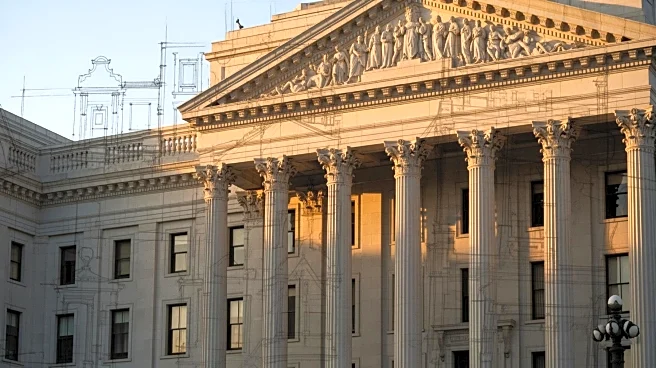
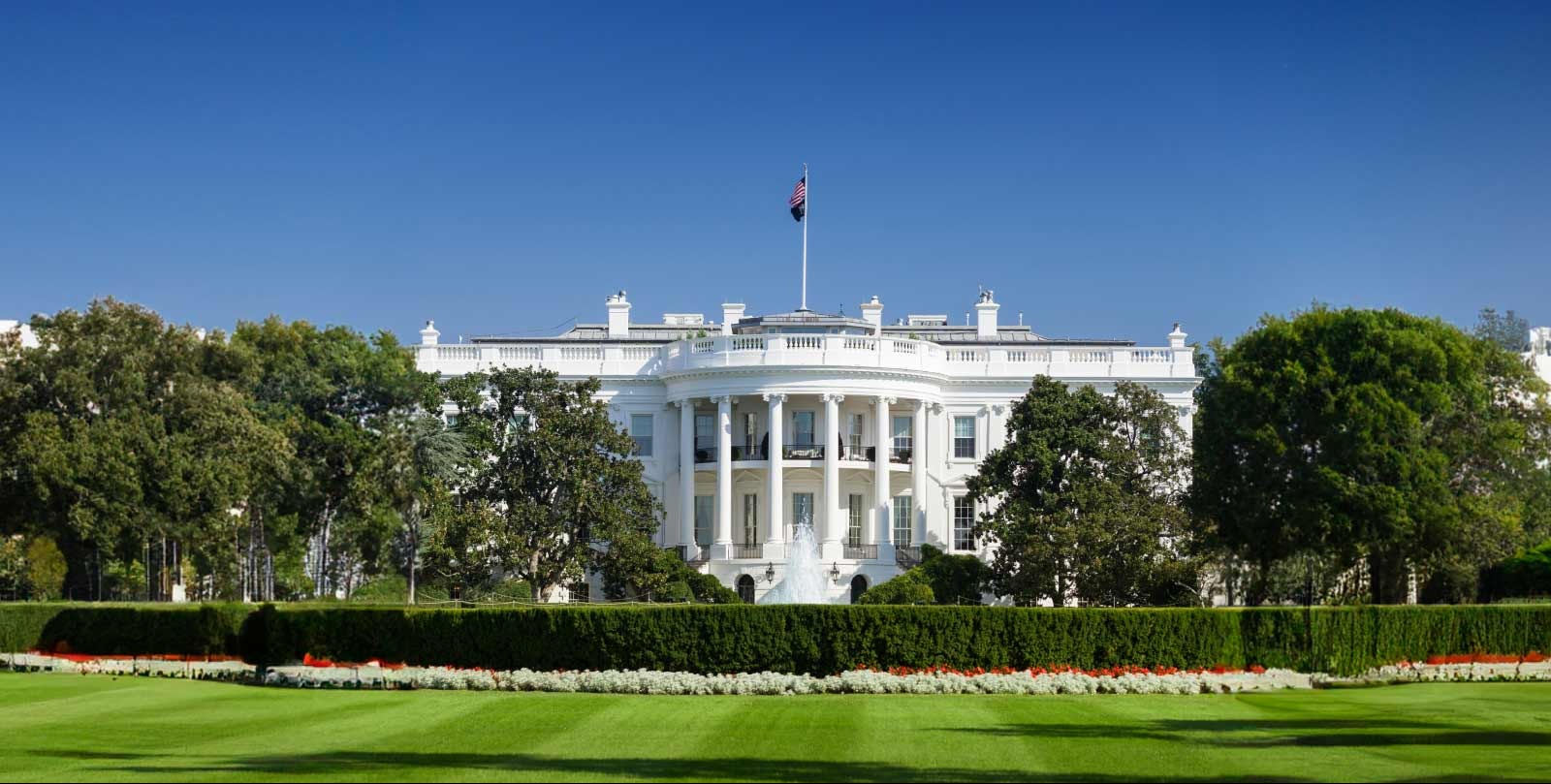
A legal dispute has arisen over President Trump's decision to demolish the East Wing of the White House to construct a $400 million ballroom. The National Trust for Historic Preservation has challenged this move, citing the lack of Congressional approval.
During a recent hearing, Judge Richard Leon expressed skepticism about the administration's justification for the project. The judge questioned the government's argument, particularly the constitutional authority claimed by the president to undertake such a significant alteration of a national institution. The funding mechanism, involving donations funneled through a nonprofit to the National Park Service and then to the Executive Residence, was also criticized by the judge as overly complex.
Why It's Important?
This case highlights the ongoing tension between executive power and legislative oversight. The outcome could set a precedent for how much unilateral authority a president has in altering historic national sites. If the court rules against the administration, it could limit future presidents' ability to make significant changes to the White House without Congressional approval. This decision could impact how public funds and private donations are used in government projects, potentially leading to stricter regulations and oversight.
What's Next?
Judge Leon's ruling is expected next month. The decision will likely influence future legal interpretations of presidential authority in similar contexts. Depending on the outcome, there may be appeals or legislative actions to clarify the limits of executive power in altering national landmarks. Stakeholders, including preservationists and political leaders, will be closely monitoring the case for its implications on executive-legislative relations.