







What's Happening?
Health officials in the United States are investigating a widespread outbreak of cyclosporiasis, an intestinal illness caused by the parasite Cyclospora cayetanensis. The Centers for Disease Control and Prevention (CDC) has reported over 11,500 cases
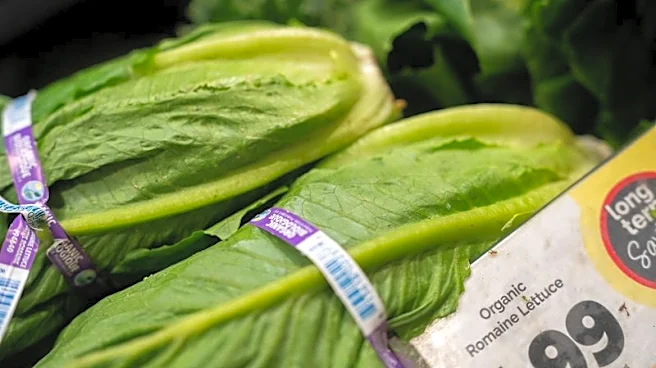
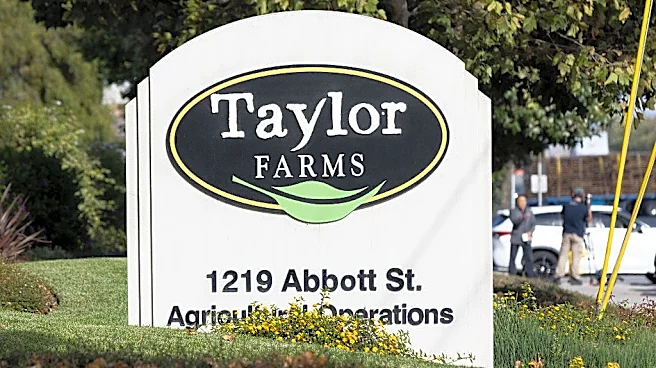
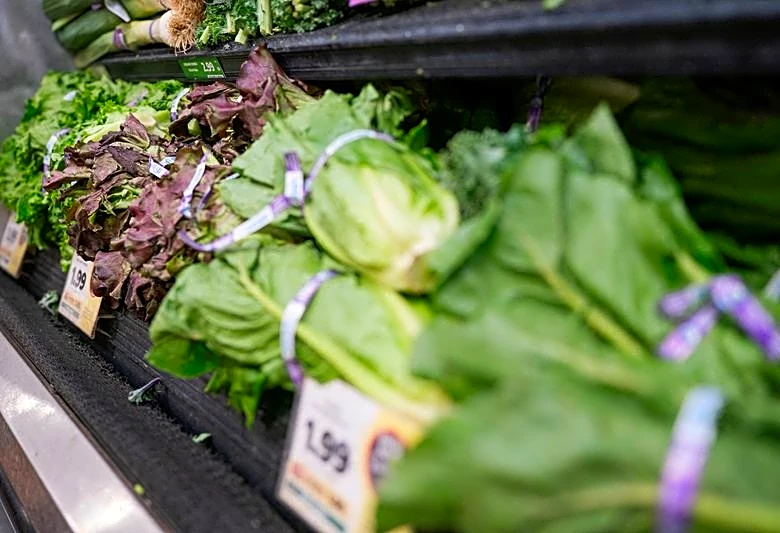
across 41 states, with approximately 4,100 cases confirmed through laboratory testing. The outbreak has been linked to shredded iceberg lettuce supplied by Taylor Farms and sourced from central Mexico, affecting at least nine states. The investigation involves multiple steps, including diagnosis, interviews, traceback, and public health messaging. Detecting the outbreak is challenging due to the nature of the illness, which often presents mild symptoms that resolve without medical intervention. Testing for Cyclospora is not typically included in routine laboratory tests and must be specifically requested, which can delay diagnosis.
Why It's Important?
The cyclosporiasis outbreak highlights the complexities of foodborne illness investigations and the importance of robust public health infrastructure. The outbreak's link to a widely consumed product like lettuce underscores the potential for rapid spread and the need for effective traceability in the food supply chain. The situation poses significant public health challenges, as mild symptoms may lead to underreporting and delayed diagnosis. The outbreak also emphasizes the role of international supply chains in food safety, as the contaminated lettuce was sourced from Mexico. The response involves collaboration between federal, state, and local health agencies to prevent further cases and ensure public safety.
What's Next?
Efforts to contain the outbreak include a voluntary recall of the affected lettuce by Taylor Farms de Mexico and the removal of the product from Taco Bell locations. Public health officials are continuing to trace the supply chain to identify other potential sources of contamination. The CDC and FDA are advising the public to follow food safety guidelines and avoid consuming potentially tainted lettuce. The investigation is ongoing, and it may take several weeks to determine the full extent of the outbreak and its resolution. Public health messaging will continue to play a crucial role in preventing further cases and ensuring consumer safety.