









What's Happening?
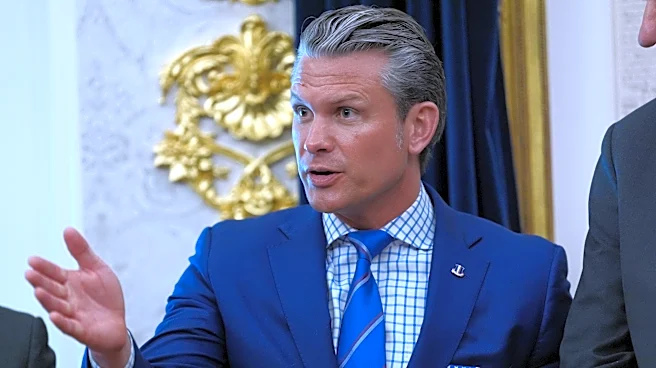
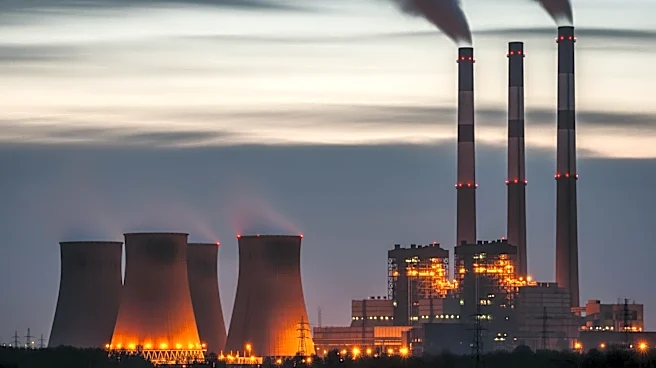
The U.S. Department of Energy (DOE) has extended an order requiring the Northern Indiana Public Service Company (NIPSCO) to continue operations at its Schahfer coal generating station in Wheatfield, Indiana. Energy Secretary Chris Wright announced the extension,
effective from June 22 to September 19, citing the need to maintain energy reliability during peak summer demand. The order also affects the F.B. Culley generating station in Newburgh, which was scheduled for retirement at the end of 2025. The DOE argues that removing reliable generation from the grid could compromise energy reliability and increase costs for Americans. However, environmental and utility advocates have criticized the order, claiming it imposes unnecessary costs on ratepayers. NIPSCO is complying with the order while assessing its impact on operations and customers.
Why It's Important?
The extension of the DOE's order highlights ongoing debates about energy reliability and cost in the U.S. The decision to keep coal-fired plants operational affects energy prices and environmental policies. Critics, including U.S. Rep. Frank Mrvan, argue that the order burdens Northwest Indiana residents with high utility costs. The Institute for Energy Economics and Financial Analysis estimates that maintaining coal plants past retirement costs $300 million nationwide, with monthly increases of $30 million. This situation underscores the tension between maintaining energy reliability and transitioning to sustainable energy sources. The order's impact on ratepayers and the environment remains a contentious issue, with public interest groups challenging the executive order.
What's Next?
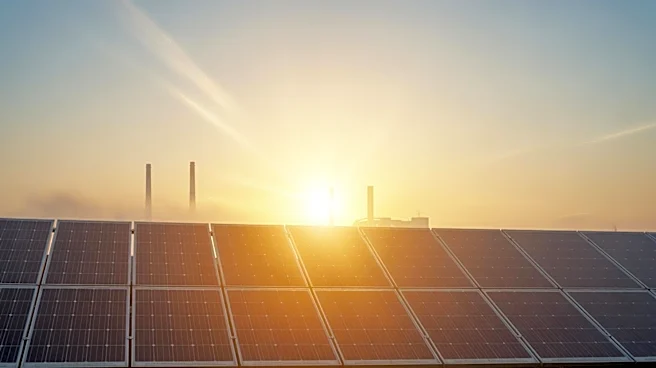
NIPSCO plans to convert the Schahfer station into a natural gas plant, aligning with its initiative to replace coal-fired stations with sustainable energy sources like wind, solar, and battery storage. This transition is part of a broader effort to support regional developments, including a $15 billion investment by Amazon Web Services. The DOE's decision may face further challenges from environmental groups and public interest organizations. The ongoing debate over energy policy and costs will likely continue, with stakeholders advocating for different approaches to balancing reliability, affordability, and sustainability.
Beyond the Headlines
The extension of the DOE's order raises questions about the long-term implications for energy policy and environmental goals. The reliance on coal-fired plants contrasts with efforts to reduce carbon emissions and transition to renewable energy. The decision may influence future regulatory actions and investments in energy infrastructure. Additionally, the financial burden on ratepayers highlights socioeconomic disparities in energy access and affordability. The situation reflects broader challenges in achieving a sustainable and equitable energy transition in the U.S.