




What's Happening?
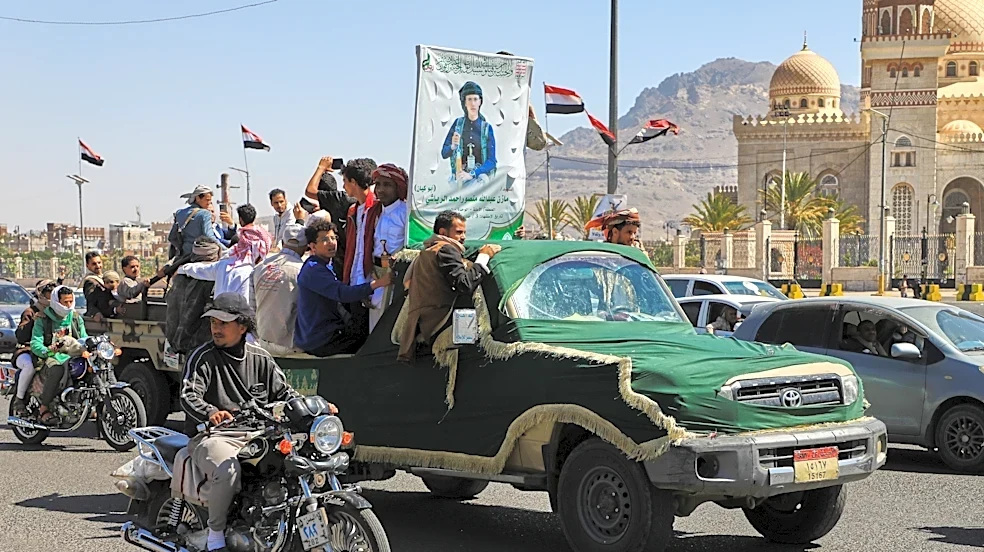
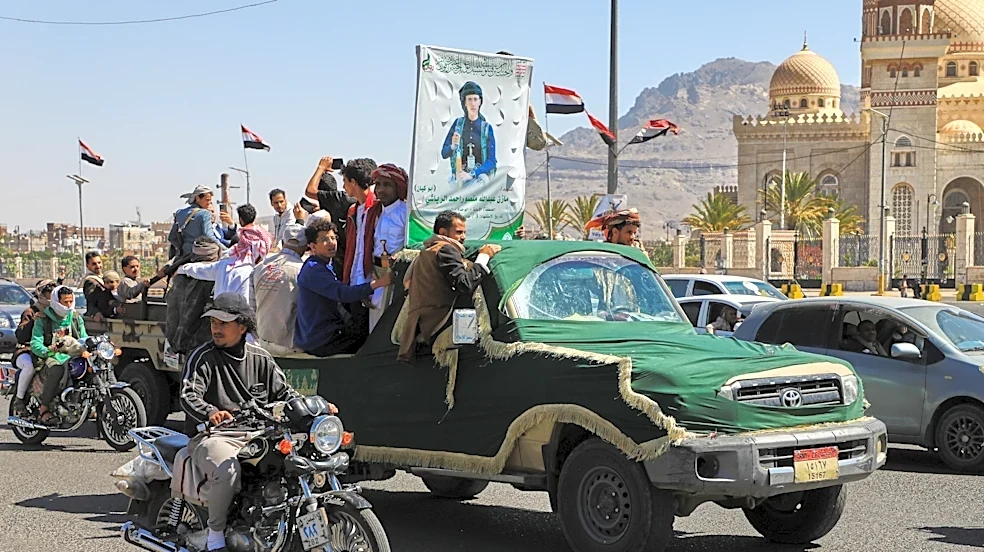
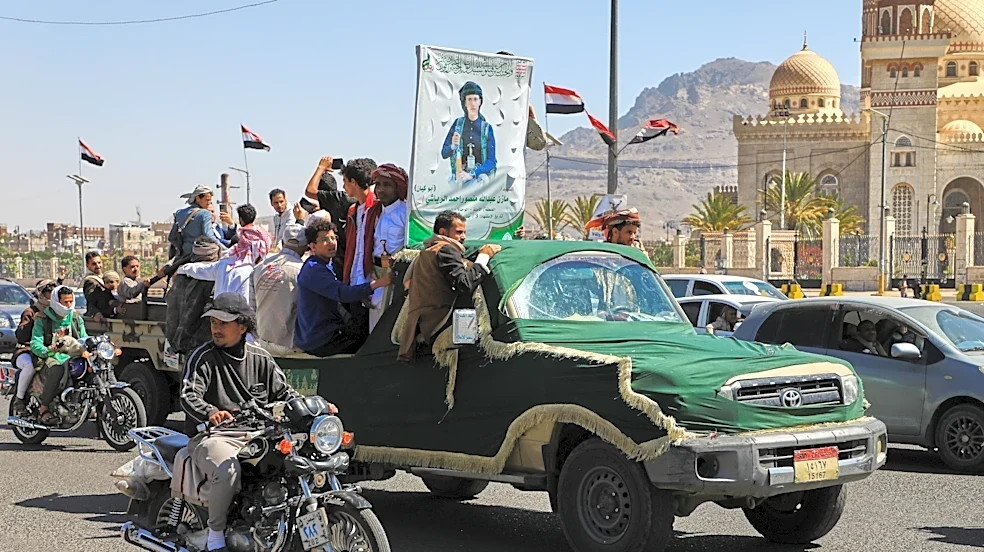
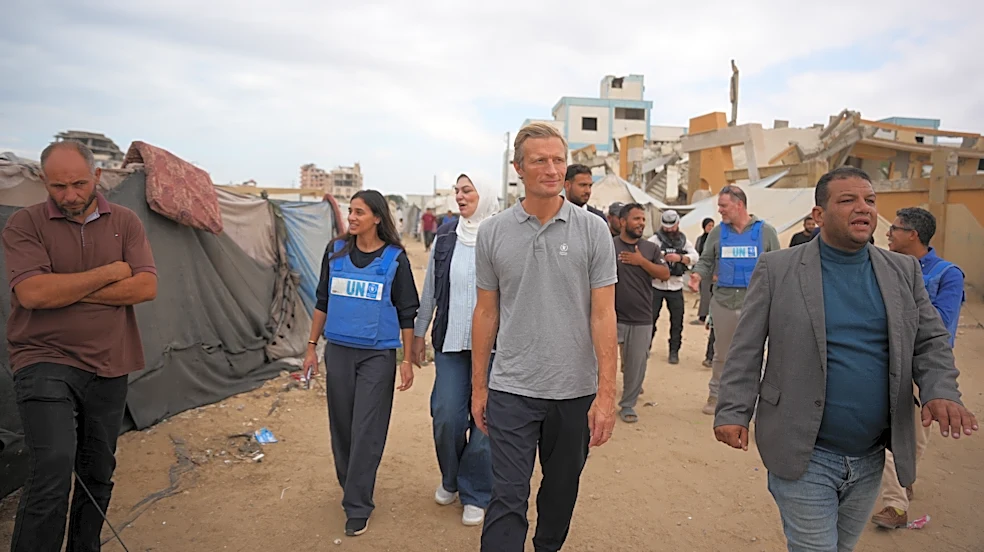
UN High Commissioner for Human Rights Volker Türk has called for the immediate opening of a humanitarian corridor to Taiz, Yemen. This urgent appeal follows the closure of the city's only supply road by Houthi forces earlier this month, which has led to a severe
deterioration of health and environmental conditions. The closure is blocking humanitarian aid and essential goods, exposing civilians to significant risks. Ilan Abdul Haq, Deputy Governor of Taiz for Health Affairs, stated that the situation is critical, threatening the lives of hundreds of patients, including those in intensive care, children in incubators, and individuals with kidney failure and cancer. Waste is accumulating in streets and residential areas, causing foul odors and raising fears of renewed disease outbreaks, such as cholera. Local authorities have attempted emergency measures, including establishing a temporary landfill, but Houthi forces have reportedly targeted cleaning efforts and blocked machinery.
Why It's Important?
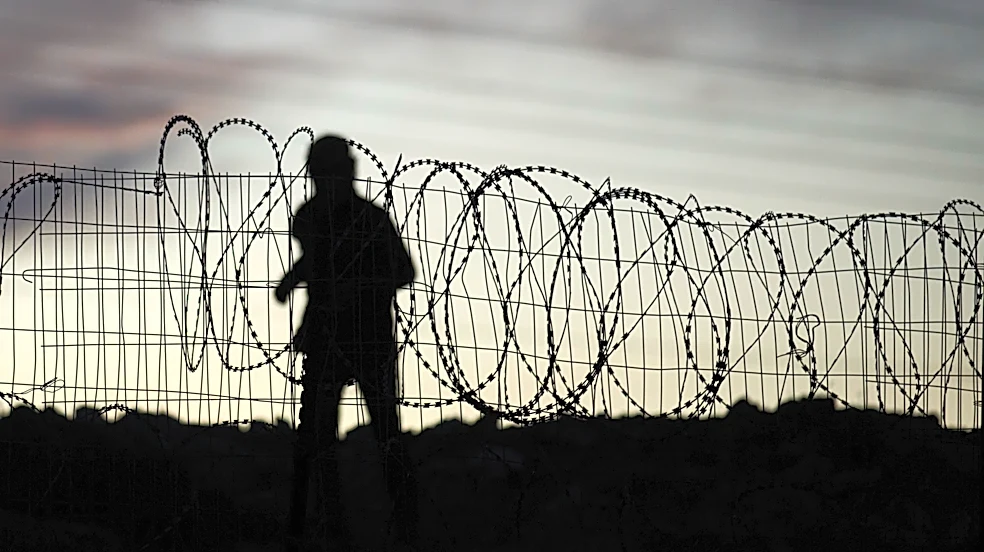
The ongoing blockade and the resulting humanitarian crisis in Taiz highlight the devastating impact of conflict on civilian populations and essential services. The lack of access to food, fuel, medicine, and water, coupled with the breakdown of sanitation, creates a dire situation that could lead to widespread illness and loss of life. The UN's intervention underscores the international community's concern over violations of humanitarian law, which mandates the protection of civilians and unimpeded access for aid. The situation in Taiz serves as a critical example of how geopolitical conflicts can directly undermine public health infrastructure and environmental stability, leading to long-term consequences for affected communities. The call for a humanitarian corridor is not just about immediate relief but also about upholding fundamental human rights and preventing a larger catastrophe.
What's Next?
The UN and other international bodies will likely continue to pressure Houthi forces to reopen the supply route and allow humanitarian aid into Taiz. The Yemeni organization Rasd for Rights and Freedoms has also urged the UN and the international community to act swiftly to ensure aid delivery and open roads. The European Union has previously called for the lifting of the siege, indicating a broader international consensus on the need for access. Efforts by the Yemeni government and local authorities to rally international support will continue. The immediate next steps involve securing safe passage for humanitarian assistance, medical supplies, and waste removal operations to mitigate the current health and environmental risks. The long-term resolution will require sustained diplomatic efforts to ensure the protection of civilians and the restoration of essential services in Taiz.
Beyond the Headlines
The crisis in Taiz extends beyond immediate humanitarian concerns, touching upon the ethical responsibilities of warring parties under international law. The deliberate obstruction of aid and essential services can be considered a war crime, emphasizing the need for accountability. The long-term implications of such blockades include not only immediate loss of life but also the collapse of social structures, forced displacement, and the exacerbation of existing vulnerabilities. The environmental degradation caused by uncollected waste poses a persistent threat, potentially leading to recurrent epidemics even after the conflict subsides. This situation underscores the critical importance of humanitarian corridors as a mechanism to uphold human dignity and prevent the weaponization of basic necessities in conflict zones, highlighting the complex interplay between conflict, public health, and environmental sustainability.