
What's Happening?
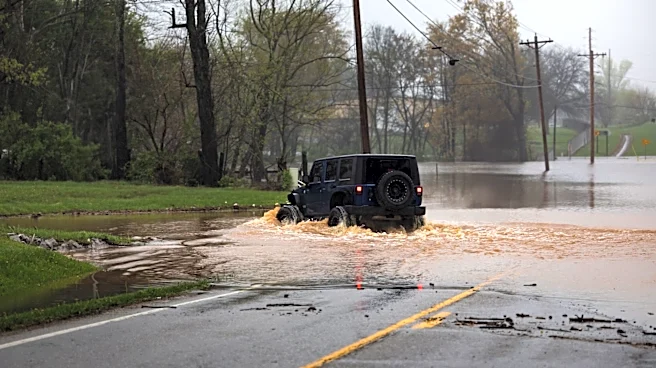
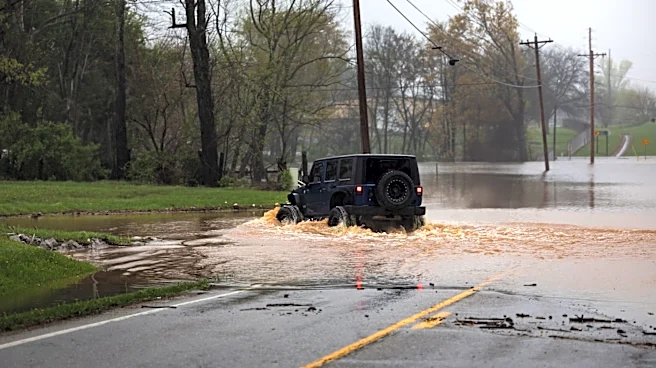
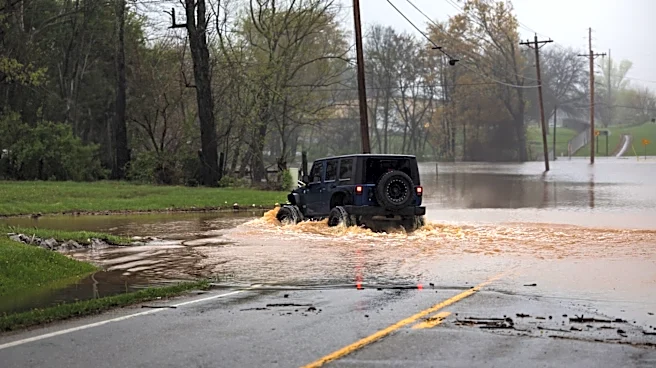
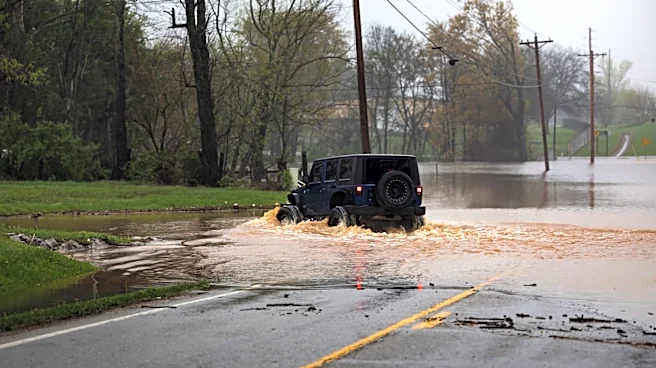
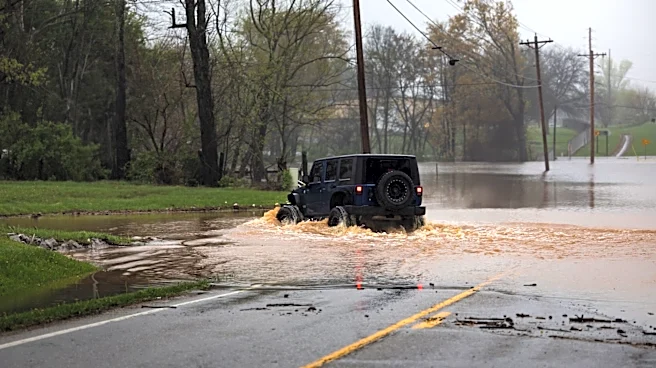
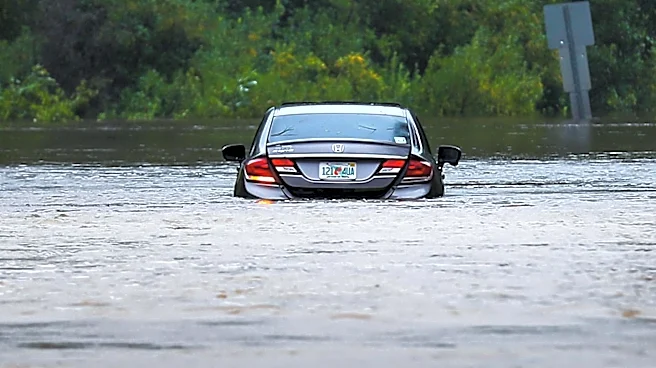
West Virginia is experiencing severe flooding after powerful storms dumped over 7 inches of rain in parts of the state, prompting a Flash Flood Emergency. Governor Patrick Morrisey declared a State of Emergency across
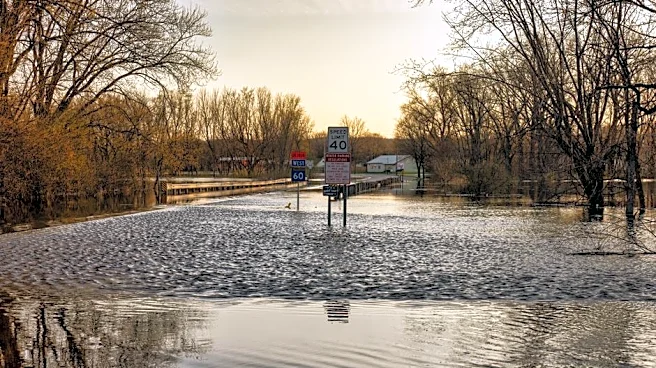
all 55 counties. The National Weather Service issued a Particularly Dangerous Situation warning, highlighting the life-threatening nature of the floods. First responders have received hundreds of calls for assistance, and the National Guard has been deployed to affected areas. The flooding has led to road closures, including Interstate 79, and significant damage to infrastructure and property.
Why It's Important?
The flooding in West Virginia highlights the increasing frequency and severity of extreme weather events, likely exacerbated by climate change. The state's response, including the deployment of the National Guard and emergency services, underscores the importance of preparedness and rapid response in mitigating the impact of natural disasters. The economic and social implications are significant, with potential long-term effects on infrastructure, local economies, and community resilience. For residents, the floods pose immediate safety risks and potential displacement, emphasizing the need for effective emergency management and support systems.
What's Next?
In the aftermath of the flooding, West Virginia will focus on recovery and rebuilding efforts. This will involve assessing the damage, securing federal assistance, and implementing measures to prevent future flooding. The state may also review its infrastructure and emergency response plans to enhance resilience against similar events. For residents, the priority will be returning to normalcy, which may include rebuilding homes and businesses and accessing necessary resources and support. The situation also presents an opportunity for policymakers to address broader environmental and infrastructure challenges to better prepare for future climate-related events.