






What's Happening?
The United Nations has issued a warning about the intensifying El Nino phenomenon, which is expected to exacerbate extreme weather conditions globally. According to scientists at Columbia University, a key area of the Pacific Ocean has reached its warmest
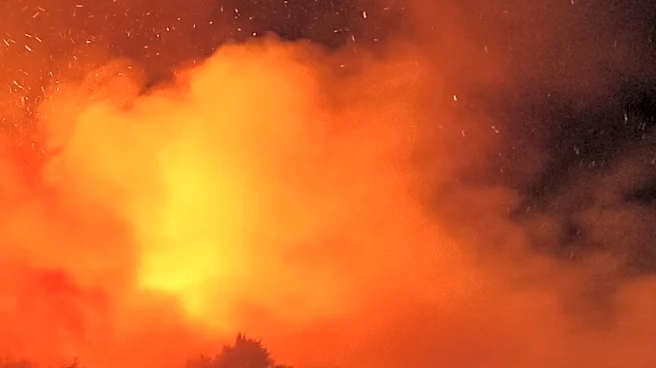
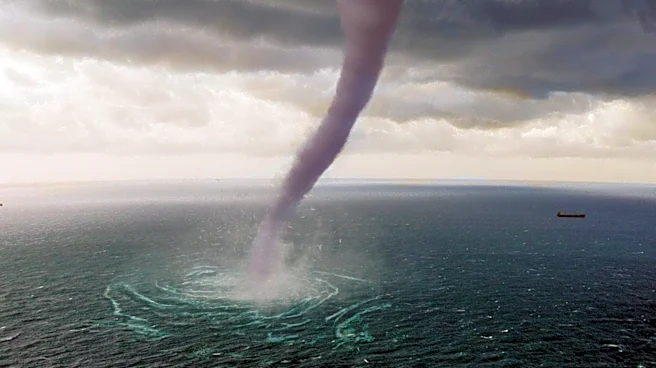
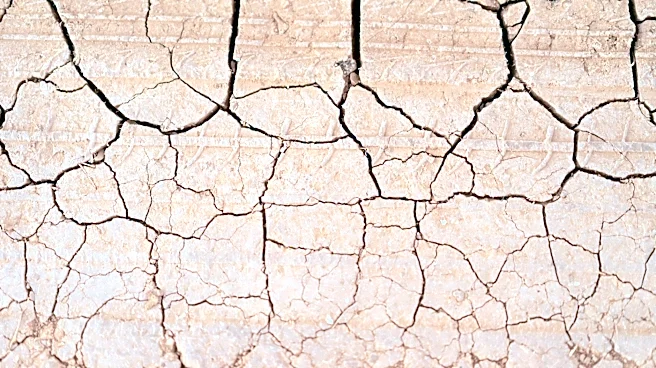
and most intense level ever recorded for this stage of El Nino. The World Meteorological Organization (WMO) predicts that the phenomenon will lead to extreme heat, drought, and rainfall well into 2027. UN Secretary-General Antonio Guterres highlighted the severe weather events already experienced, such as record heat domes and wildfires, and warned that the situation is likely to worsen as El Nino strengthens.
Why It's Important?
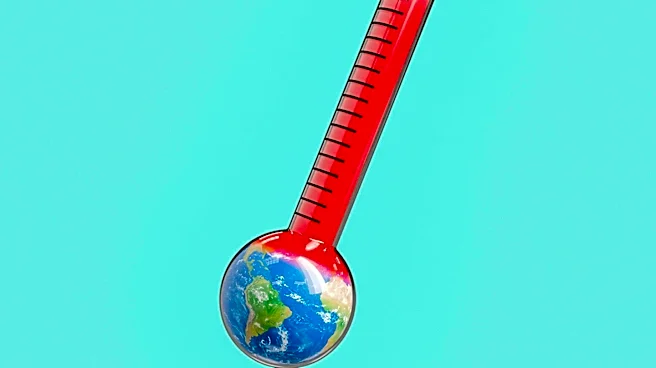
The intensifying El Nino is significant as it compounds the effects of global warming, leading to more severe weather events. This has implications for agriculture, water resources, and public health, potentially affecting food security and increasing the risk of natural disasters. The phenomenon's impact on global weather patterns could lead to economic disruptions, particularly in regions prone to droughts and floods. The UN's warning underscores the urgency for governments and communities to prepare for these changes and mitigate their effects.
What's Next?
As El Nino continues to develop, it is expected to peak in late 2026 or early 2027. Governments and organizations are urged to implement early warning systems and develop strategies to cope with the anticipated extreme weather. The WMO emphasizes the need for proactive measures to manage risks and protect vulnerable populations. The international community is also called upon to address the underlying causes of climate change, such as fossil fuel consumption, to prevent further exacerbation of these phenomena.