






What's Happening?
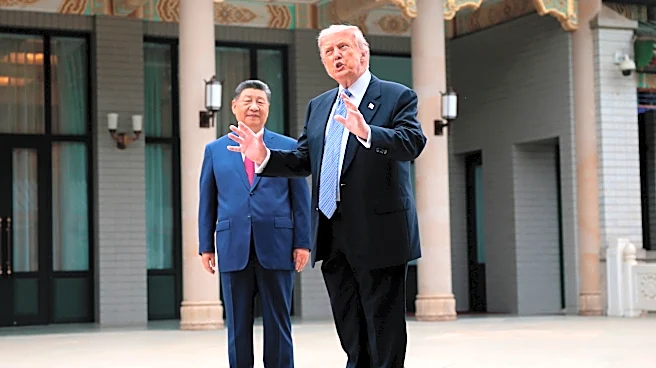
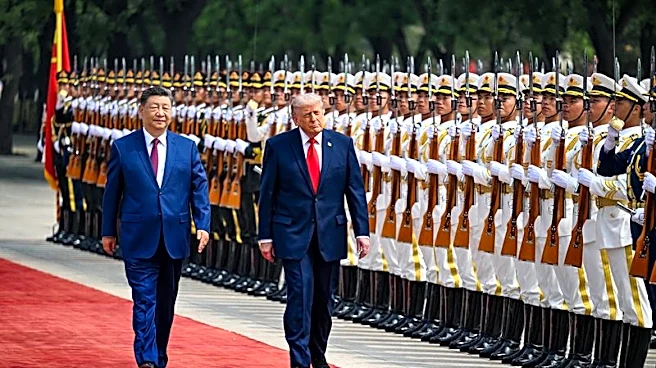
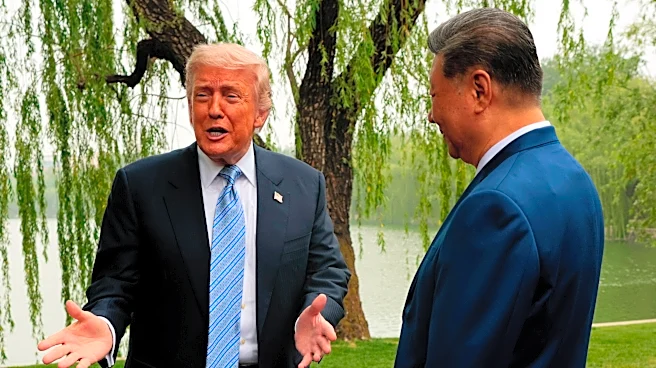
China and the United States have agreed to reduce tariffs on certain products to enhance bilateral trade, following a summit between U.S. President Trump and Chinese President Xi Jinping in Beijing. The Chinese Ministry of Commerce announced that both
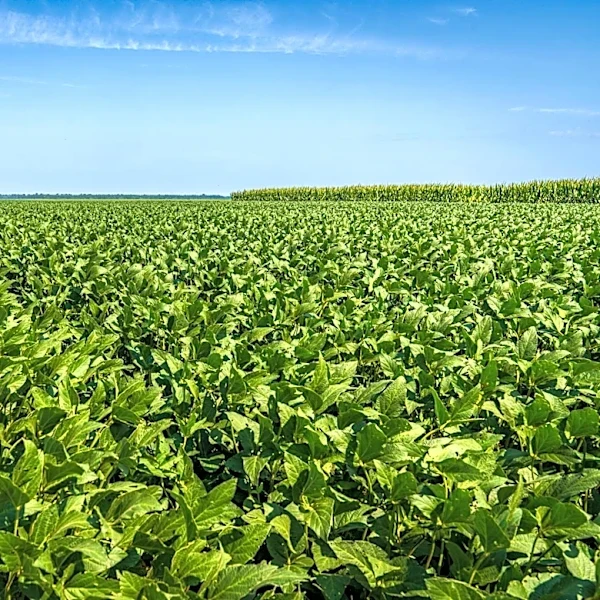
nations will implement measures to expand trade, particularly in agriculture. Although specific details are still under negotiation, the agreement marks a step towards stabilizing relations between the two largest global economies. The summit, which took place from May 14-15, was the first visit by a U.S. president to China in nearly a decade. Discussions covered various issues, including trade, Taiwan, and the Iran war. Despite President Trump's statement that tariffs were not discussed, the Chinese Commerce Ministry highlighted the mutual decision to cut levies as a positive outcome of the talks.
Why It's Important?
The agreement to lower tariffs and enhance agricultural trade between China and the U.S. is significant as it signals a potential easing of trade tensions that have affected global markets. By reducing tariffs, both countries aim to boost economic cooperation and address trade imbalances. This development could benefit U.S. agricultural exporters, who have faced challenges due to previous trade barriers. Additionally, the agreement may lead to increased U.S. exports of aircraft and other goods, as indicated by discussions involving major companies like Boeing. The move is also a strategic effort to strengthen diplomatic ties and foster economic stability amid ongoing geopolitical tensions.
What's Next?
Negotiations will continue to finalize the details of the tariff reductions and trade expansions. Both countries are expected to establish boards of investment and trade to address ongoing concerns and facilitate further dialogue. The U.S. may also address China's concerns regarding import licenses for beef and poultry, as well as the detention of certain Chinese products by the U.S. Food and Drug Administration. The outcome of these negotiations could influence future trade policies and economic relations between the two nations.
Beyond the Headlines
The agreement reflects a broader trend of using trade negotiations as a tool for diplomatic engagement. It highlights the importance of dialogue in resolving complex international issues and the potential for economic agreements to pave the way for improved political relations. The focus on agricultural trade also underscores the critical role of food security and supply chain stability in international diplomacy.