





What's Happening?
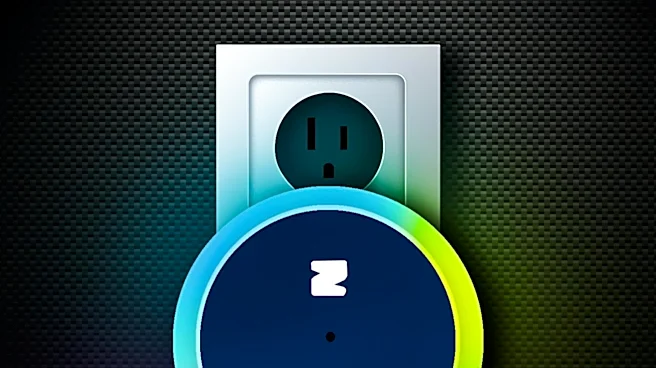
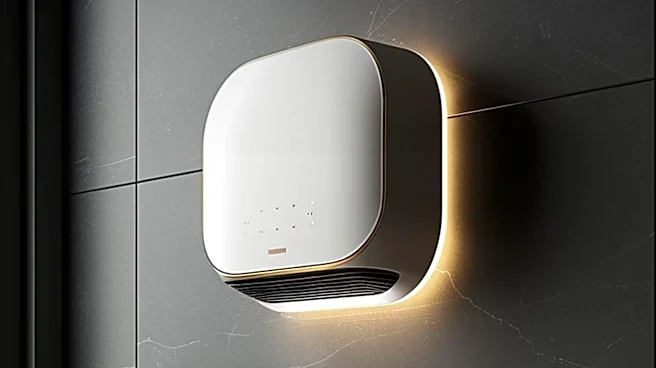
BSEED, a smart home device manufacturer, has announced that several of its products are slated to become compatible with the Matter standard by 2026. This compatibility will extend to a range of devices, including smart light switches, smart switches, smart thermostats,
smart sockets, and roller shutter controls. The integration of Matter is expected to streamline the interoperability of these devices within smart home ecosystems. This move signifies a broader industry trend towards unified communication protocols for smart home technology, aiming to simplify setup and usage for consumers. The company's focus on these specific product categories suggests an effort to enhance core smart home functionalities with improved connectivity and user experience.
Why It's Important?
The adoption of Matter compatibility by BSEED is significant for the U.S. smart home market as it addresses a long-standing challenge of fragmentation among different smart home platforms. Currently, consumers often face issues with devices from various manufacturers not communicating seamlessly. Matter aims to create a universal language for smart home devices, which could lead to greater consumer confidence and adoption of smart home technology. For U.S. consumers, this means potentially easier integration of new devices into existing smart home setups, reducing the need for multiple apps or hubs. This standardization could also foster increased competition and innovation among manufacturers, as they can focus more on product features rather than proprietary connectivity solutions. Ultimately, it could lead to a more robust and user-friendly smart home ecosystem across the United States.
What's Next?
Looking ahead to 2026, consumers can anticipate a more unified smart home experience with BSEED's Matter-compatible devices. The rollout of these products will likely be accompanied by marketing efforts highlighting the ease of integration and enhanced functionality. Other smart home manufacturers are also expected to continue their adoption of the Matter standard, further solidifying its position as a leading interoperability protocol. This trend suggests that by 2026, the smart home market in the U.S. could see a significant shift towards more cohesive and user-friendly systems. Industry stakeholders, including retailers and installers, will need to adapt to these changes, potentially offering more integrated solutions and support for Matter-enabled devices.
Beyond the Headlines
The move towards Matter compatibility by companies like BSEED represents a deeper shift in the smart home industry's philosophy. Beyond mere technical integration, it signifies a collective effort to overcome the 'walled garden' approach that has characterized the market for years. This shift could have profound implications for data privacy and security, as a unified standard might necessitate common security protocols and data handling practices. Furthermore, it could democratize smart home technology, making it more accessible to a broader range of consumers who may have been deterred by complexity. The long-term cultural impact could be a greater reliance on automated home environments, potentially influencing daily routines and energy consumption patterns in U.S. households.