



What's Happening?
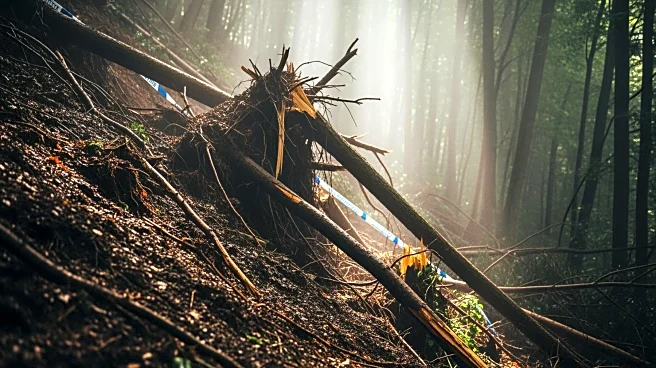
A landslide in the West Bandung region of Indonesia's West Java province has resulted in at least seven deaths and left 82 people missing. The disaster occurred in the early hours of Saturday morning, affecting the village of Pasirlangu. A strong flow
of water and loose soil from Mount Burangrang destroyed approximately 30 homes. Rescue operations are underway, involving local authorities, the military, and volunteers. The landslide follows recent extreme weather warnings and is part of a series of natural disasters affecting Indonesia, exacerbated by environmental changes such as deforestation and climate change.
Why It's Important?
This landslide highlights the increasing vulnerability of regions like West Java to natural disasters, driven by environmental degradation and climate change. The incident underscores the urgent need for improved disaster preparedness and environmental management in Indonesia. It also raises concerns about the impact of deforestation and industrial activities, such as palm oil production, on the environment. The disaster's human toll and the ongoing search and rescue efforts emphasize the need for international cooperation and support in addressing the root causes of such environmental challenges.
What's Next?
In response to the landslide, Indonesian authorities may intensify efforts to improve disaster response and mitigation strategies. This could involve stricter regulations on land use and deforestation, as well as enhanced early warning systems for extreme weather events. The government may also seek international assistance to address the broader environmental issues contributing to such disasters. Additionally, there could be increased legal actions against companies contributing to environmental degradation, as seen in recent lawsuits filed by the Indonesian government.