





What's Happening?
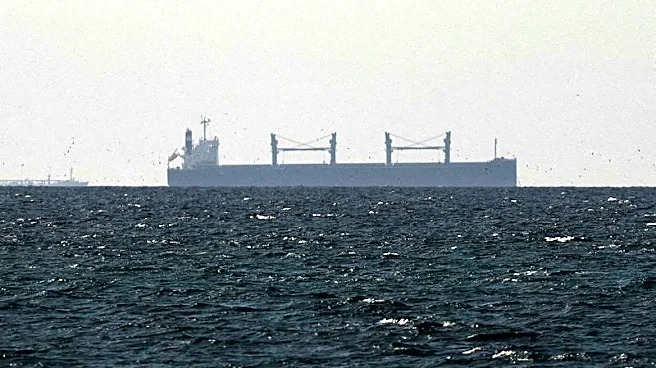
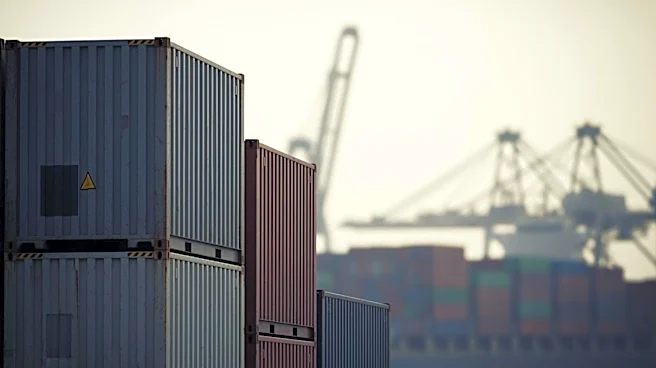
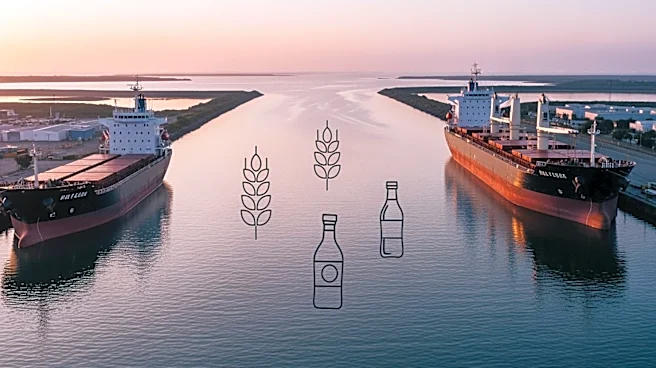
The ongoing conflict in Iran has led to the closure of the Strait of Hormuz, a critical channel for global fertilizer feedstock exports. This blockade has significantly impacted the availability and cost of fertilizers, which are essential for food production
worldwide. In the U.S., farmers are facing increased fertilizer prices, with nitrogen and phosphorus costs rising by over 35% and 19% respectively. The disruption comes at a crucial time during the Northern Hemisphere's spring planting season, causing anxiety among farmers who rely on these inputs for crop production. The situation is exacerbated by the fact that a significant portion of the world's fertilizer supply passes through this narrow waterway, making it a strategic vulnerability.
Why It's Important?
The blockade of the Strait of Hormuz poses a significant threat to global food security, as fertilizers are vital for crop yields. In the U.S., the increased cost of fertilizers could lead to higher food prices and potential shortages, affecting both consumers and the agricultural sector. The situation highlights the fragility of global supply chains and the dependence on specific geopolitical regions for essential resources. The prolonged closure of the strait could lead to long-term changes in farming practices, such as reduced fertilizer use and crop switching, which may further impact food availability and prices.
What's Next?
The U.S. and Iran had agreed to a temporary ceasefire to reopen the strait, but the agreement fell through due to renewed hostilities. The resolution of this conflict is uncertain, and even if the strait is reopened soon, it will take months to restore normal shipping operations. This delay could extend the impact on the agricultural sector well into the growing season, forcing farmers to make difficult decisions about planting and resource allocation. Policymakers and industry leaders may need to explore alternative supply routes and strategies to mitigate future disruptions.
Beyond the Headlines
The current crisis underscores the need for greater resilience in agricultural supply chains. The reliance on a single geographic chokepoint for a substantial portion of the world's fertilizer supply is a strategic risk that could have been mitigated with diversified sourcing and production. Additionally, the situation may accelerate the development and adoption of alternative fertilizer production methods, such as 'green' and 'blue' ammonia, which are less dependent on natural gas. This shift could reduce the agricultural sector's vulnerability to geopolitical conflicts and contribute to more sustainable farming practices.