






What's Happening?
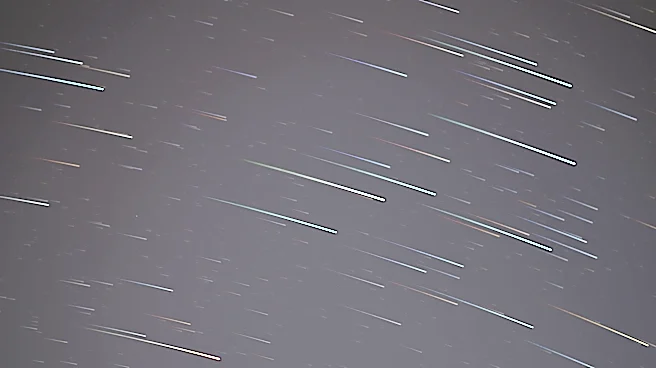
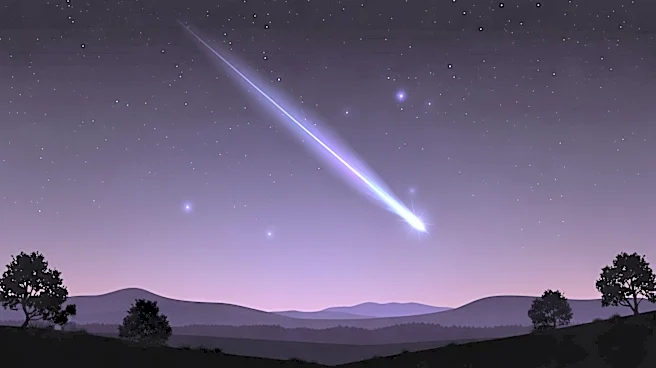
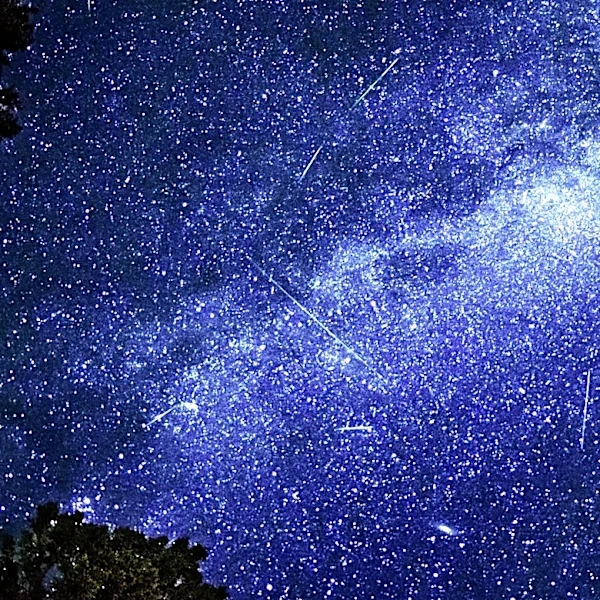
The Lyrid meteor shower, one of the oldest recorded meteor showers, is set to grace the skies over Columbus, Ohio. Active from April 17 through April 26, the shower will peak overnight on April 21 into the early hours of April 22. During this peak, observers
can expect to see approximately 10 to 30 meteors per hour. The Lyrids are known for occasional bursts of increased activity, providing a chance to witness more meteors than usual. The meteors appear to originate near the constellation Lyra, close to the bright star Vega. Light pollution in urban areas like Columbus may obscure fainter meteors, but brighter ones, including fireballs, can still be visible. For optimal viewing, it is recommended to find a darker location outside the city and allow eyes to adjust to the darkness for about 20 to 30 minutes.
Why It's Important?
Meteor showers like the Lyrids offer a unique opportunity for the public to engage with astronomy and appreciate natural phenomena. Such events can inspire interest in science and the cosmos, particularly among young people. The Lyrids, with their long history of observation, connect modern viewers with ancient sky watchers, fostering a sense of continuity and wonder. Additionally, these events can boost local tourism as enthusiasts travel to areas with optimal viewing conditions, potentially benefiting local economies. The Lyrid meteor shower also serves as a reminder of Earth's place in the solar system, as the meteors are remnants of Comet C/1861 G1 Thatcher, highlighting the dynamic nature of our cosmic environment.
What's Next?
As the Lyrid meteor shower progresses, weather conditions will play a crucial role in visibility. Clear skies will enhance the viewing experience, while clouds could obscure the event. Local astronomy clubs and observatories may organize viewing events, providing educational opportunities and community engagement. The next significant meteor shower, the Perseids, will occur in August, offering another chance for stargazing. Meanwhile, those interested in the Lyrids can continue to monitor weather forecasts and plan their viewing accordingly. The event also encourages discussions about light pollution and its impact on astronomical observations, potentially leading to increased advocacy for dark sky initiatives.