





What's Happening?
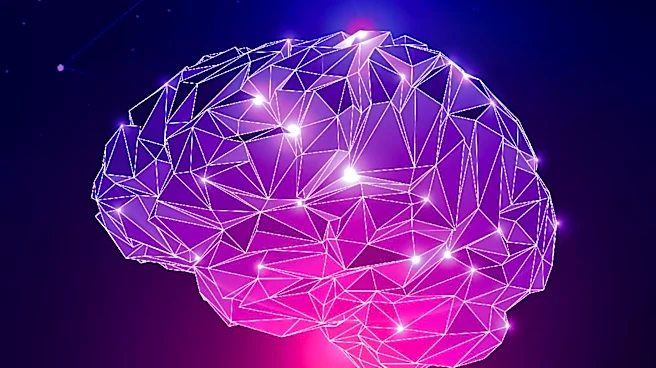
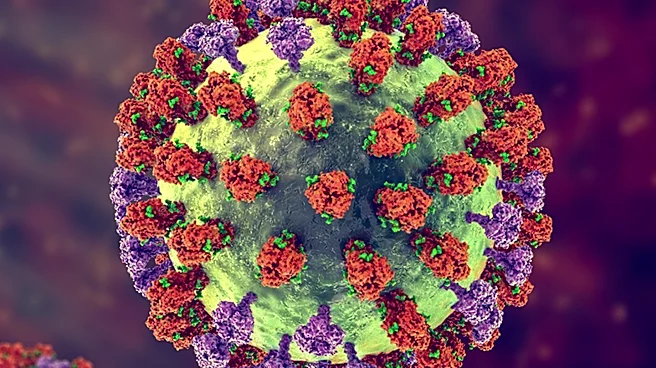
A comprehensive review of 49 brain imaging studies has revealed that COVID-19 is associated with significant structural and functional changes in the brain. The research, published in the journal Cerebral Cortex, indicates that the virus affects areas
responsible for memory, emotion, and executive function. These findings help explain the neurological symptoms reported by many patients, such as brain fog and memory loss. The study synthesized data from various medical studies using magnetic resonance imaging to map the brain's anatomy and activity, identifying consistent patterns of abnormalities in key brain regions.
Why It's Important?
The study's findings have significant implications for understanding the long-term neurological effects of COVID-19. The identified brain changes could impact patients' cognitive abilities and emotional well-being, potentially affecting their quality of life and ability to function in daily activities. This research underscores the need for ongoing monitoring and support for individuals recovering from COVID-19, as well as the importance of developing targeted interventions to address these neurological issues. The study also highlights the broader impact of the pandemic on public health and the need for continued research into the virus's effects on the brain.
What's Next?
Future research is needed to determine whether the observed brain changes are permanent or reversible with treatment. Long-term studies could help map the trajectory of these neurological alterations and identify potential therapeutic interventions. Additionally, further investigation into the specific mechanisms by which COVID-19 affects the brain could lead to more effective treatments and preventive measures. As the medical community continues to study the virus's impact, these findings may inform public health strategies and policies aimed at mitigating the long-term effects of COVID-19 on mental health and cognitive function.