
What's Happening?
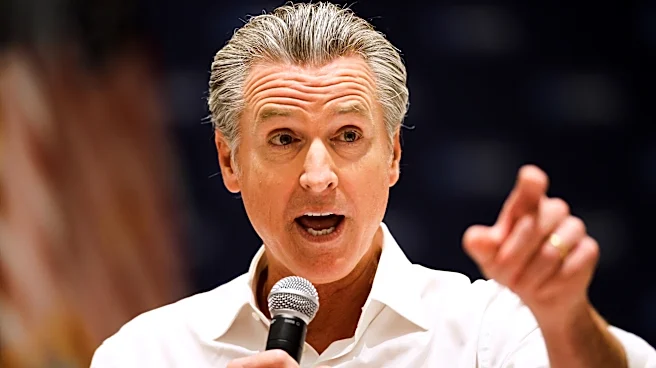
California Governor Gavin Newsom has signed Senate Bill 1392, known as "Leno's Law," which expands smog-check exemptions for certain classic cars. The new law creates a phased-in exemption for qualifying
collector vehicles from model years 1976 through 1985. Currently, vehicles made before the 1976 model year are exempt from the state's regular smog-check requirement. Under the new legislation, qualifying collector vehicles manufactured before 1981 will become exempt starting January 1, 2028. Subsequently, one additional model year will be added annually, eventually including 1985 model-year vehicles by 2033. To qualify for the exemption, vehicles must either be insured as collector vehicles or be driven less than 1,000 miles per year. These restrictions are designed to ensure the exemption applies to cars preserved for occasional use rather than daily transportation. The bill was jointly authored by state Senators Dave Cortese and Shannon Grove and passed both legislative chambers before reaching the Governor's desk. This measure follows a previous, broader proposal, SB 712, which failed to pass, indicating a more targeted approach in the current law.
Why It's Important?
This new law is significant for classic car owners in California, providing relief from stringent smog check requirements for a specific range of older vehicles. The phased implementation allows for a gradual adjustment for both vehicle owners and regulatory bodies. By exempting vehicles used for occasional purposes, the state acknowledges the unique nature of collector cars and their limited contribution to overall emissions compared to high-use commuter and commercial vehicles. This policy shift could encourage the preservation and restoration of classic automobiles within the state, potentially boosting related industries such as specialized mechanics, parts suppliers, and classic car events. However, the strict qualification criteria, particularly the mileage or insurance requirements, aim to prevent abuse of the exemption and ensure that the environmental impact remains minimal. The bipartisan support for the bill also highlights a consensus on balancing environmental concerns with the interests of the classic car community.
What's Next?
The first expanded exemptions under "Leno's Law" will take effect on January 1, 2028, for vehicles manufactured before 1981. Following this, an additional model year will be added annually until 2033, when 1985 model-year vehicles will also become exempt. Vehicle owners with cars from the specified model years will need to ensure their vehicles meet the collector insurance or mileage requirements to qualify for the exemption. The California Department of Motor Vehicles and other relevant agencies will likely issue further guidance on the application process and verification methods for these exemptions. Governor Newsom also signed two other car-related measures, including a bill for a specialized California lowrider license plate and another to expedite state review of aftermarket vehicle parts, indicating a broader focus on vehicle-related legislation in the state.
Beyond the Headlines
The passage of "Leno's Law" reflects a broader cultural and economic appreciation for classic automobiles, recognizing them not just as transportation but as historical artifacts and investments. The debate surrounding such exemptions often involves a delicate balance between environmental protection and the preservation of automotive heritage. While environmental advocates typically push for stricter emissions controls, the classic car community argues for allowances based on limited usage and the cultural value of these vehicles. This law suggests a compromise, allowing for the continued enjoyment and maintenance of classic cars while attempting to mitigate their environmental footprint through specific usage restrictions. It also underscores the influence of prominent figures like Jay Leno, whose advocacy can bring niche issues to the forefront of legislative agendas, demonstrating how public figures can shape policy in specific areas.