

What's Happening?
The annual rate of inflation in the U.S. slowed to 2.4% in January, marking an eight-month low, according to the Bureau of Labor Statistics. This deceleration from December's 2.7% rate was better than economists' forecasts. Monthly consumer prices rose
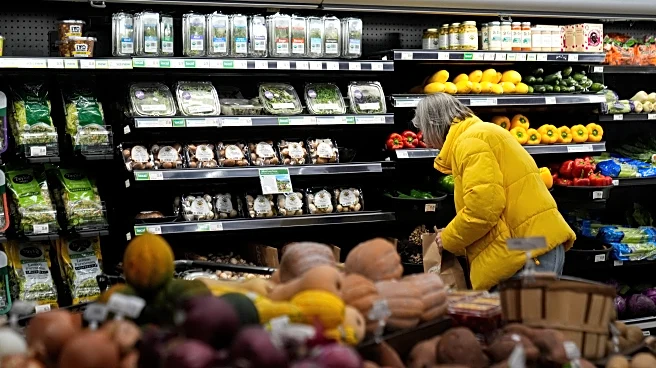
by 0.2%, aided by falling gas prices and a slowdown in housing-related costs. However, some categories, such as airfares and tariff-sensitive goods, saw price increases. The core Consumer Price Index, excluding food and energy, also showed a slight increase, indicating persistent underlying inflationary pressures.
Why It's Important?
The slowdown in inflation provides some relief to consumers who have been facing rising costs. The Federal Reserve's decision to maintain interest rates reflects a cautious approach to balancing economic growth and inflation control. While the overall inflation rate is declining, the increase in certain categories suggests that consumers may still face challenges in managing their expenses. The mixed signals from the inflation data highlight the complexity of the current economic environment.
What's Next?
The Federal Reserve will likely continue to monitor inflation trends closely, with potential implications for future interest rate decisions. Policymakers may need to address the factors contributing to persistent price increases in specific sectors. The ongoing economic recovery and labor market conditions will also play a role in shaping inflationary pressures in the coming months.