






What's Happening?
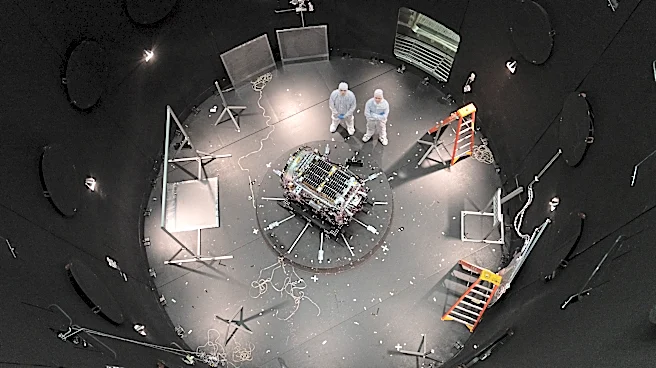
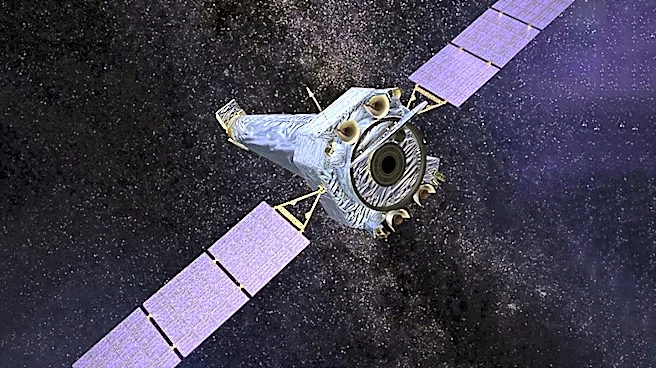
Katalyst's LINK servicing spacecraft, designed to boost NASA's Neil Gehrels Swift Observatory to a higher orbital altitude, encountered issues with attitude control over the weekend. The spacecraft began spinning due to the malfunction of two out of its
three reaction wheels and experienced some loss of functionality in its cold gas thruster system. Despite these challenges, LINK's other major subsystems are functioning as expected, and the spacecraft remains power positive and in communication with the Katalyst team. Efforts are underway to stabilize LINK's spin using its electric propulsion thrusters, after which the team will update its guidance, navigation, and control systems to accommodate the new configuration.
Why It's Important?
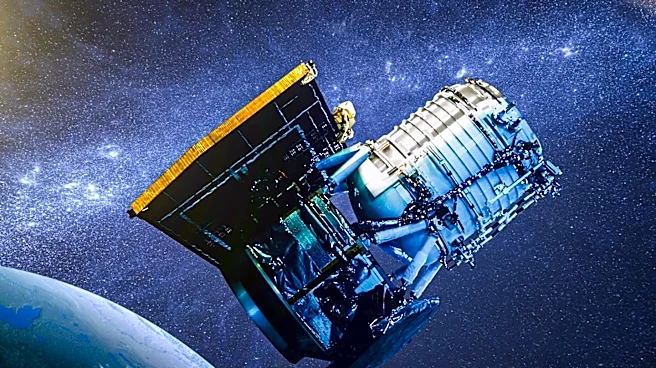
The successful operation of the LINK spacecraft is crucial for extending the operational life of the Swift Observatory, which plays a vital role in observing gamma-ray bursts and other cosmic phenomena. The current issues highlight the complexities and challenges involved in space missions, particularly those involving servicing and boosting existing satellites. Resolving these issues is essential to ensure the continued functionality of the Swift Observatory, which contributes significantly to our understanding of the universe. The situation underscores the importance of robust engineering and contingency planning in space missions.
What's Next?
The Katalyst team is focused on stopping LINK's spin and stabilizing its attitude over the next few days. Once stability is achieved, they will reassess the spacecraft's status and update its systems accordingly. Collaboration with NASA teams will be crucial in evaluating revised plans for approaching and capturing the Swift Observatory. The outcome of these efforts will determine the next steps in the mission and the potential for future servicing missions to extend the life of other space observatories.