






What's Happening?
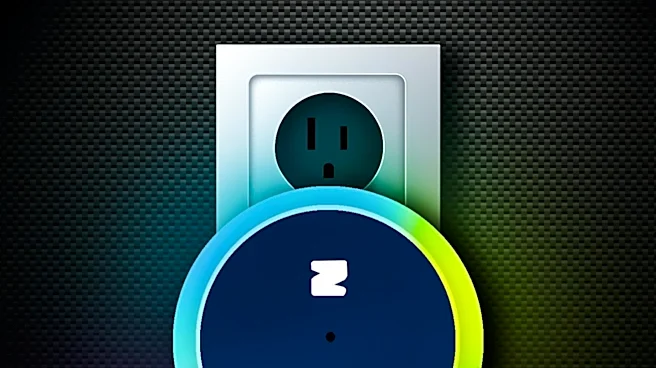
Smart home devices are increasingly integrating Thread technology to improve performance, battery life, and responsiveness. Thread is a low-power, long-range wireless standard that utilizes mesh networking, making it particularly suitable for devices that require
minimal bandwidth and extended battery life. This technology is being adopted across various smart home products, including light bulbs, door and window sensors, motion and occupancy sensors, smart locks, smart blinds, smart buttons, and water leak sensors. For instance, IKEA's KAJPLATS range offers Matter over Thread support for its light bulbs, and the Aqara Smart Lock U400 incorporates Thread for enhanced security and connectivity. The adoption of Thread addresses limitations of Wi-Fi for low-fidelity devices, providing a more efficient and reliable communication protocol within the smart home ecosystem. Many major tech companies, including Amazon, Apple, Google, Samsung, and IKEA, are producing devices with built-in Thread border routers, further expanding the technology's reach and utility.
Why It's Important?
The widespread adoption of Thread technology is significant for the smart home industry as it addresses several key challenges faced by traditional Wi-Fi-based devices. Its low power consumption extends battery life for sensors and locks, reducing maintenance for consumers. The mesh networking capability enhances reliability and range, ensuring devices remain connected even at the edges of a home's wireless coverage. This improved connectivity and responsiveness lead to a more seamless and efficient smart home experience, where devices like lights and heating systems can react almost instantaneously. For manufacturers, Thread offers a standardized, low-cost solution for integrating devices into the broader smart home ecosystem, fostering greater interoperability through Matter. This shift could accelerate the adoption of smart home technology by making it more user-friendly and dependable, ultimately benefiting consumers with more integrated and automated living spaces.
What's Next?
The continued integration of Thread into smart home devices is expected to drive further innovation and interoperability within the smart home market. As more manufacturers incorporate Thread border routers into their products, the mesh network will become more robust and widespread, enhancing the overall reliability of smart home systems. Consumers can anticipate a wider array of Thread-enabled devices, offering more choices for home automation and security. The synergy between Thread and Matter, a universal connectivity standard, will likely lead to a more unified smart home ecosystem where devices from different brands can communicate seamlessly. This trend suggests a future where smart homes are easier to set up, more responsive, and require less maintenance, potentially leading to increased consumer adoption and market growth for smart home technologies.
Beyond the Headlines
Beyond the immediate benefits of improved connectivity and battery life, the rise of Thread technology signifies a broader shift towards more sustainable and efficient smart home ecosystems. By reducing power consumption, Thread-enabled devices contribute to lower energy footprints, aligning with growing environmental consciousness. The enhanced reliability and responsiveness of these devices could also lead to more sophisticated automation scenarios, such as predictive lighting or climate control based on occupancy patterns, further optimizing energy usage and convenience. Furthermore, the open standard nature of Thread, coupled with Matter, promotes a more democratic and less proprietary smart home landscape, potentially fostering greater competition and innovation among manufacturers. This could empower consumers with more control over their data and device choices, moving away from vendor lock-in and towards a truly interconnected and user-centric smart home experience.