






What's Happening?
The U.S. Food and Drug Administration (FDA) has upgraded a recall involving over 650,000 bags of potato chips to a Class I recall, the agency's most serious warning level. This action was taken due to the potential risk of salmonella contamination. The recall, initially
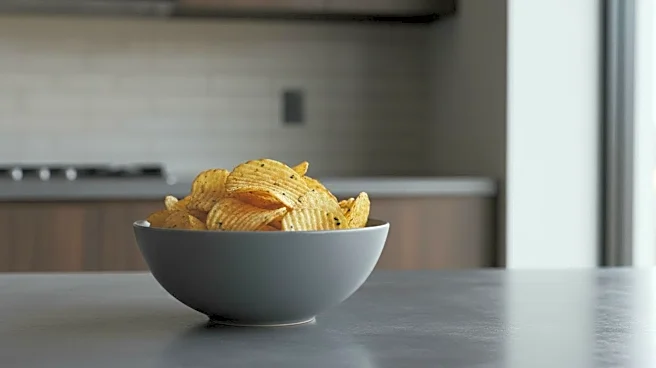
announced in May by Utz Quality Foods, involves several varieties of Zapp's and Dirty potato chips. The concern arose from a seasoning made with dry milk powder supplied by a third-party manufacturer, which could potentially contain salmonella. Although the affected seasoning batches tested negative before use, the recall was issued as a precautionary measure. No illnesses have been reported in connection with the recalled products. Consumers are advised not to consume the affected chips and to either dispose of them or return them for a refund. Retailers have been instructed to remove these products from their shelves.
Why It's Important?
This recall is significant as it highlights the potential health risks associated with food contamination, particularly with salmonella, which can cause serious illness. The FDA's classification of the recall as Class I indicates a reasonable probability that the consumption of the affected products could lead to severe health consequences or even death. This situation underscores the importance of stringent quality control measures in the food industry to prevent contamination. The recall also affects a wide range of consumers across the nation, as the products were distributed nationwide. The incident may lead to increased scrutiny of food safety practices and could impact consumer trust in the brands involved.
What's Next?
Consumers who have purchased the recalled potato chips are advised to check the FDA recall notice for specific best-by dates and batch codes to determine if their products are affected. Those with the recalled products should contact Utz Customer Care for a refund. The broader investigation into the contamination source may lead to further recalls of other products containing the same ingredient. This could prompt regulatory agencies to implement stricter oversight and guidelines for food safety, particularly concerning third-party suppliers.