






What's Happening?
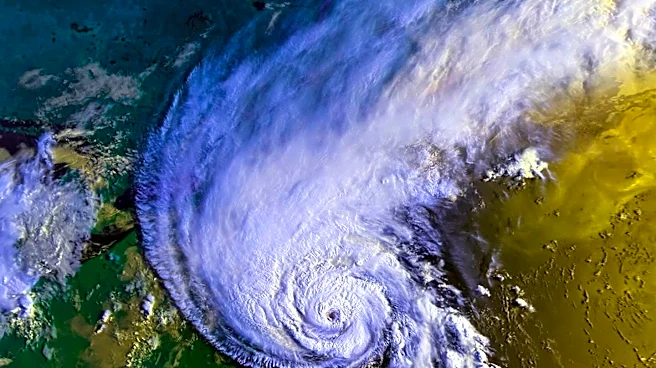
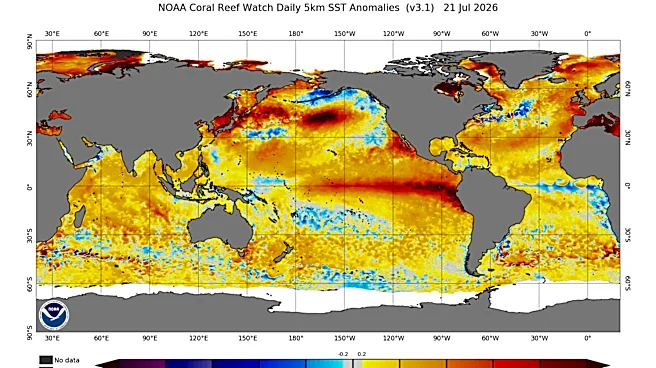
A potentially record-breaking El Niño is developing in the Pacific Ocean, causing concern among scientists due to its potential impact on global weather patterns. El Niño, a natural climate phenomenon characterized by the warming of sea surface temperatures,
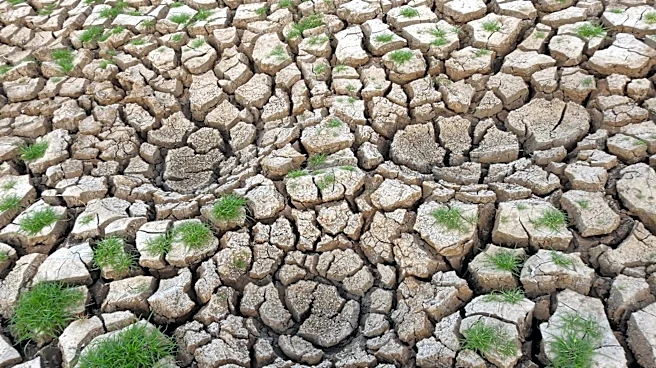
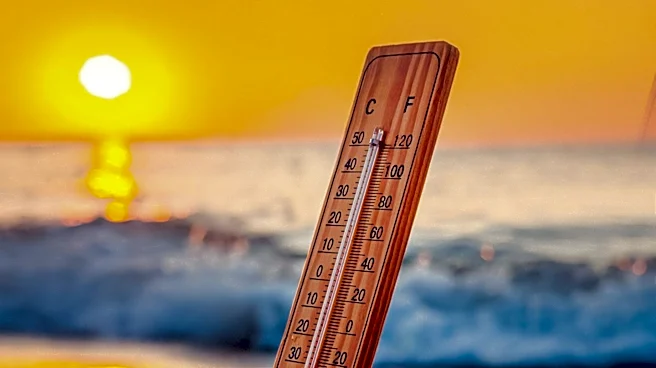
is expected to influence weather conditions worldwide. This event is predicted to be one of the strongest on record, with sea surface temperatures already exceeding previous highs. The phenomenon is likely to exacerbate existing climate change effects, leading to increased global temperatures and extreme weather events such as droughts, floods, and heatwaves. Scientists are closely monitoring the situation as it unfolds.
Why It's Important?
The intensifying El Niño poses significant challenges for global climate stability and economic systems. Its potential to amplify climate change effects could result in severe weather disruptions, impacting agriculture, water resources, and infrastructure. Regions prone to droughts or floods may experience heightened risks, affecting food security and livelihoods. The economic implications are substantial, with potential losses in agriculture, fisheries, and other sectors reliant on stable weather conditions. Policymakers and governments must prepare for the possible impacts, implementing strategies to mitigate risks and protect vulnerable communities. The event underscores the urgent need for global cooperation in addressing climate change and its associated challenges.
What's Next?
As El Niño continues to develop, scientists and meteorologists will closely monitor its progression and potential impacts. Governments and organizations may need to implement contingency plans to address the anticipated weather disruptions. This could involve enhancing disaster preparedness, supporting affected industries, and providing aid to vulnerable populations. The international community may also focus on strengthening climate resilience and adaptation efforts to mitigate the long-term effects of such climate phenomena. Ongoing research and data collection will be crucial in understanding El Niño's behavior and informing future climate policy decisions.