






What's Happening?
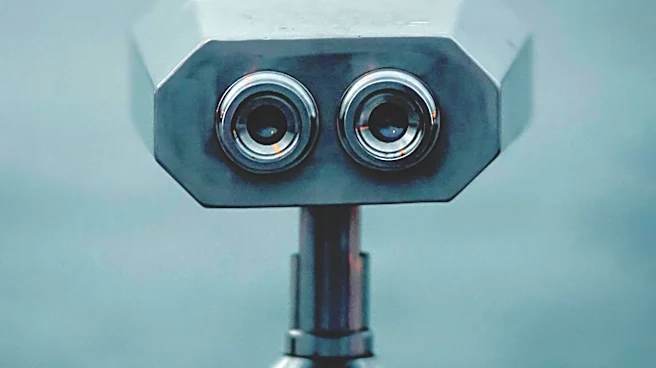
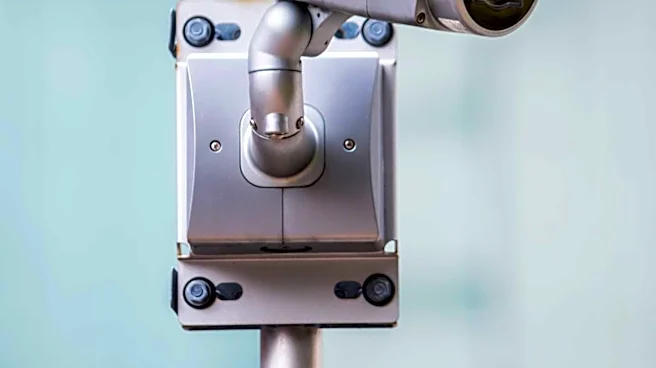
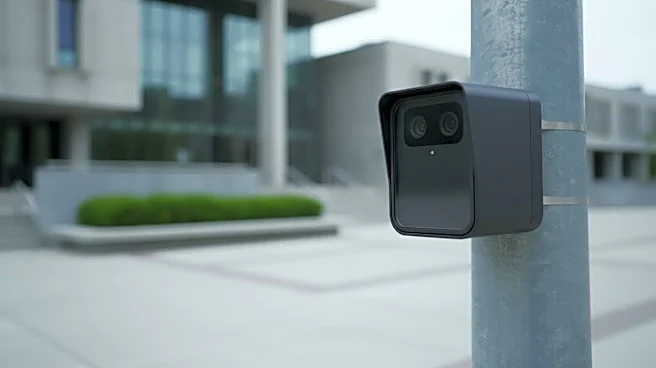
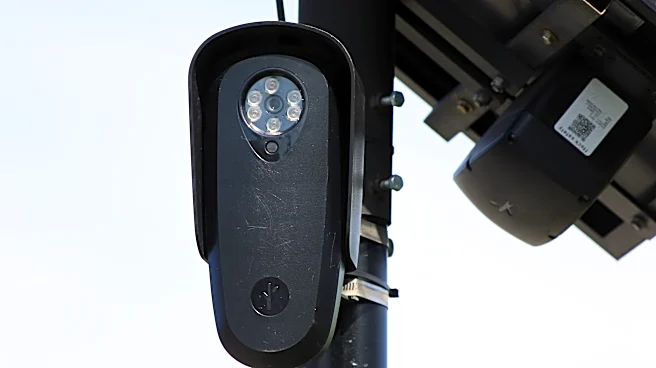
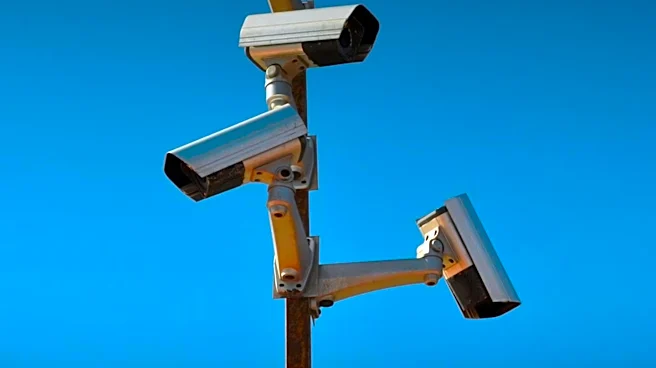
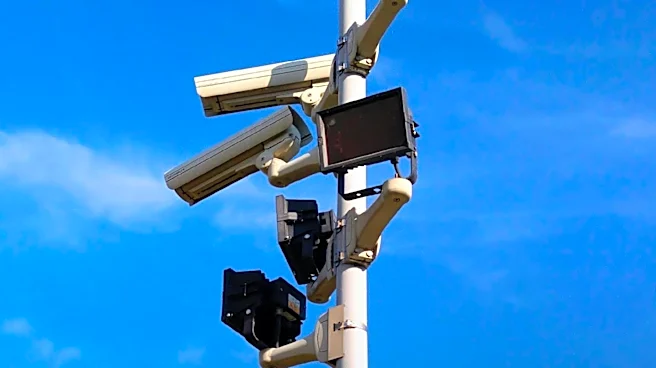
Flock Safety, a company that deploys AI-powered automated license plate readers (ALPRs) and surveillance cameras, is experiencing significant backlash across the United States. The company has installed approximately 120,000 cameras in every U.S. state
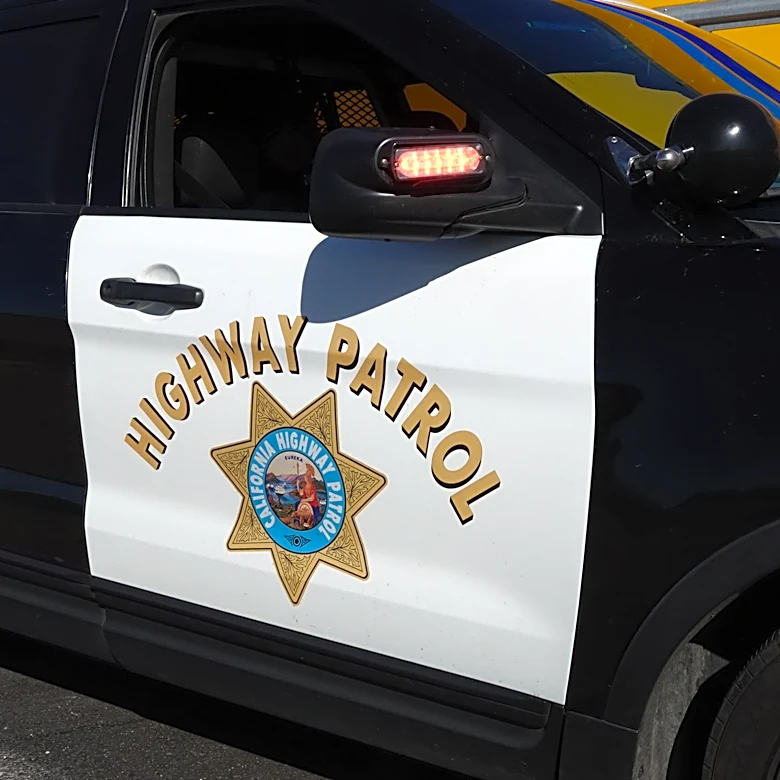
except Alaska, with 7,000 law enforcement agencies, representing 40% of the nation's police departments, utilizing their technology. While Flock claims its cameras have aided in a million criminal investigations annually, including solving car thefts and locating missing persons, recent reports reveal widespread misuse. Instances include police officers illegally searching the system to track former partners, law enforcement using the network to surveil undocumented immigrants in states where it's illegal, and tracking individuals for minor offenses like transporting legal cannabis across state lines. This has led to a dual backlash: political, with dozens of cities and counties terminating contracts, and vigilante, involving physical vandalism of the cameras.
Why It's Important?
The controversy surrounding Flock cameras highlights a critical national debate about privacy, surveillance, and the appropriate use of technology by law enforcement. The widespread adoption of these cameras, coupled with their AI capabilities and networked database, creates a powerful surveillance infrastructure that can track the movements of millions of Americans with few restrictions. The reported abuses, such as stalking by police officers and surveillance for immigration enforcement or minor offenses, underscore the potential for mission creep and the erosion of civil liberties. The bipartisan nature of the backlash, with both conservatives concerned about 'Big Brother' government overreach and liberals worried about targeting marginalized communities, indicates a broad societal unease with pervasive surveillance. This situation forces a reevaluation of the balance between public safety and individual privacy rights in the digital age.
What's Next?
Flock Safety is attempting to address the backlash by implementing reforms, such as proactively flagging anomalous searches and reducing default data retention from 30 to 7 days. However, critics, including the American Civil Liberties Union, argue these changes are insufficient and advocate for a warrant requirement for searches, which would significantly raise the bar for accessing data. The company's CEO, Garrett Langley, has also shifted his rhetoric from dismissing critics as 'activists' or 'terrorists' to a public relations campaign emphasizing community improvement. Despite these efforts, the backlash continues, with more cities potentially canceling contracts. While Flock's survival is uncertain, other companies like Motorola and Axon offer similar ALPR technology, suggesting that even if Flock recedes, the underlying surveillance capabilities will likely persist through alternative providers. The ongoing debate will likely focus on legislative and policy measures to regulate the use of such technologies.
Beyond the Headlines
The 'vigilante backlash,' where individuals physically damage Flock cameras, points to a deeper societal frustration with perceived unchecked surveillance and a sense of powerlessness against technological encroachment. This form of direct action, while illegal, reflects a desperate attempt by some to reclaim privacy and resist what they view as an oppressive surveillance state. The existence of crowdsourced maps like 'DeFlock' to track camera locations further illustrates a collective effort to understand and potentially circumvent this technology. This situation also raises ethical questions about the responsibility of technology companies to anticipate and mitigate the potential for misuse of their products, especially when those products are adopted by government entities. The debate over Flock cameras is not just about a single company but about the future of privacy in a technologically advanced society and the extent to which citizens are willing to accept pervasive surveillance in the name of security.