








What's Happening?
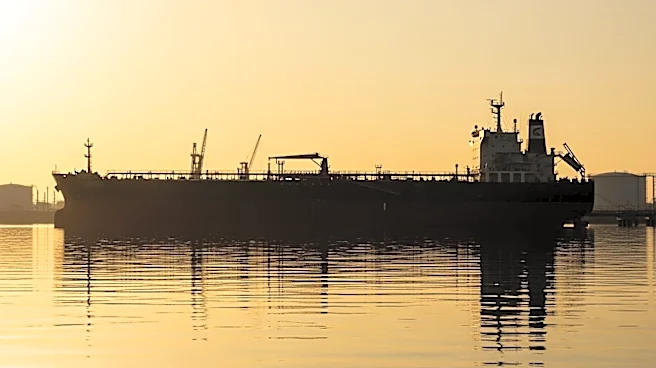
California is employing an old method to address its gas shortage by allowing foreign-registered oil ships to transport oil between U.S. ports, bypassing a 1920 law. This decision, supported by the Trump administration, aims to supply the state with much-needed
gas that in-state pipelines cannot provide. Governor Gavin Newsom has opposed new pipeline projects due to environmental concerns, despite California's high gas prices. The waiver for foreign oil transport is set to expire on May 17, but the administration is considering an extension. This move has already resulted in several shipments arriving in California, with the expectation of reducing gas prices.
Why It's Important?
The use of foreign oil ships to transport gas to California highlights the state's ongoing struggle with energy supply and high fuel costs. This approach temporarily alleviates the shortage but raises questions about long-term energy strategies and environmental impacts. The decision underscores the tension between economic needs and environmental policies, as California seeks to balance energy supply with sustainability goals. The outcome of this initiative could influence future energy policies and the state's approach to managing its energy infrastructure.
What's Next?
The Trump administration will decide whether to extend the waiver for foreign oil transport beyond May 17. This decision will impact California's energy supply and potentially influence gas prices. Stakeholders, including environmental groups and energy companies, will likely engage in discussions about the long-term implications of this strategy. The state may also explore alternative energy solutions to reduce reliance on foreign oil and address environmental concerns, shaping the future of California's energy landscape.