








What's Happening?
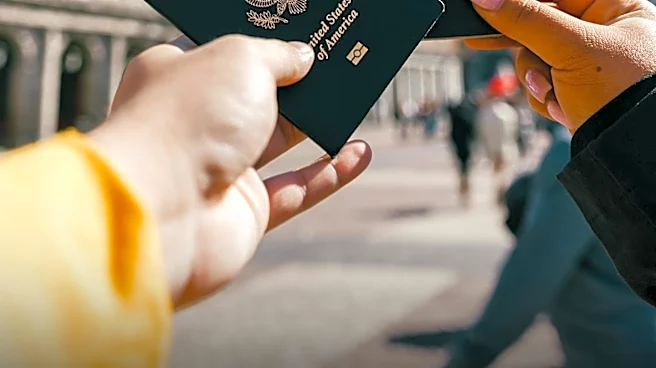
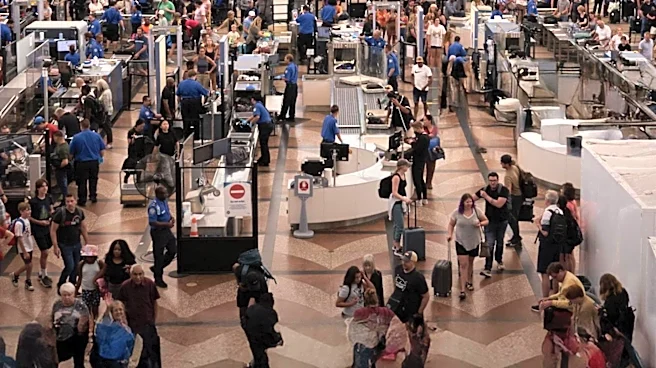
The European Union's new Entry/Exit System (EES), designed to enhance border security by recording biometric data such as fingerprints and facial recognition for non-EU nationals, is causing significant delays at airports. This system, which replaces
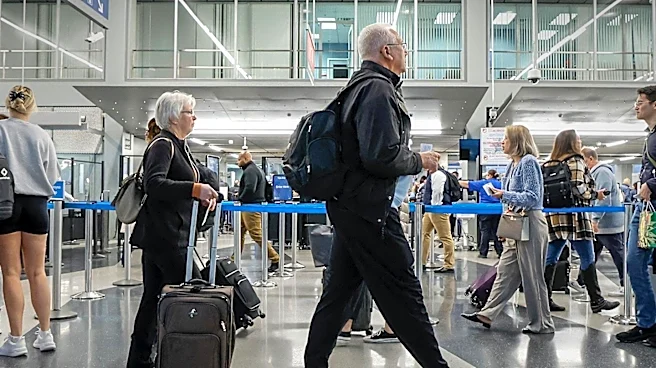
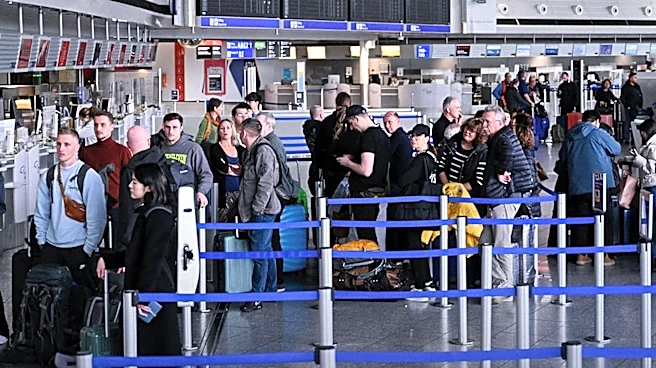
the traditional passport stamp, has been inconsistently implemented across various airports, leading to wait times of up to five hours. The system affects travelers from countries including the U.S. and the UK, with children under 12 exempt from fingerprint collection. Industry groups like ACI Europe and Airlines for Europe have criticized the system for its operational inefficiencies, particularly during peak travel times, and have requested the European Commission to allow full suspension of biometric data collection during these periods.
Why It's Important?
The delays caused by the EES have significant implications for international travel, particularly affecting U.S. travelers who frequently visit Europe. The system's inefficiencies could deter tourism and business travel, impacting the European tourism industry and potentially leading to economic repercussions. The situation highlights the challenges of implementing large-scale biometric systems without adequate infrastructure and staffing, raising concerns about the balance between security and convenience in international travel. The ongoing issues may prompt further discussions on the effectiveness and practicality of biometric systems in border control.
What's Next?
If the delays persist, more airports may adopt temporary suspensions of biometric data collection, similar to the approach taken by Rome airport operators. The European Commission may face increased pressure to revise the system or provide additional resources to improve its implementation. Travelers are advised to allow extra time for airport processing and to check the specific procedures at their destination airports. The situation may also lead to broader discussions on the future of biometric systems in international travel and their impact on passenger experience.