


What's Happening?
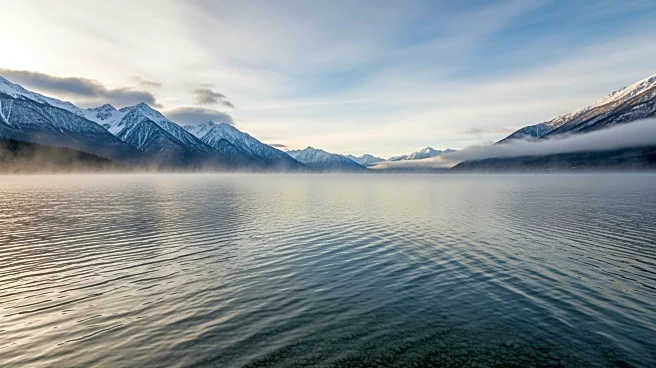
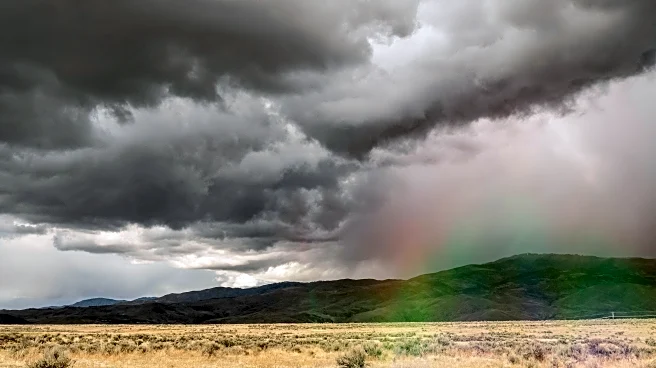
Lake Tahoe has seen a dramatic rise in its water levels following a series of powerful winter storms. These storms, which swept across Northern California and the Sierra Nevada region, delivered heavy rainfall and substantial snowfall, contributing approximately
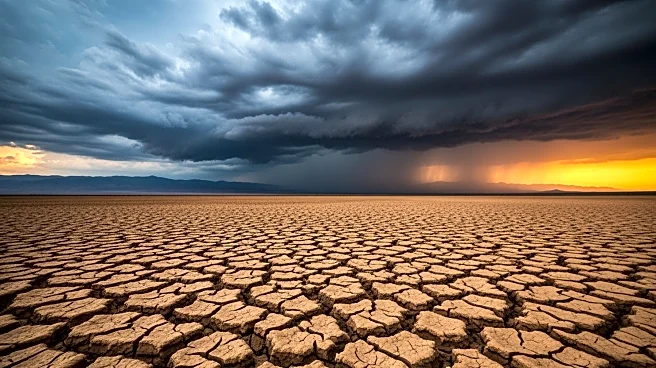
16 billion gallons of water to the lake. According to the U.S. Geological Survey, the water level rose from about 7.5 feet to 8 feet between mid-February and early March. This increase is significant given the lake's size and its role as a critical water source for nearby communities, including the Reno-Truckee Meadows area. The late-winter precipitation has alleviated concerns over water shortages in a region that has experienced years of drought.
Why It's Important?
The rise in Lake Tahoe's water levels is crucial for regional water security, hydropower planning, ecosystems, and recreation. The lake straddles the border of California and Nevada, serving as a vital water source for both states. The recent increase in water levels provides short-term relief from drought conditions, which have been a persistent issue in the area. This development is encouraging for water managers, as it reflects a broader improvement in drought intensity across parts of California and Nevada. However, experts caution that one wet season does not negate the long-term impacts of drought, which can cause permanent damage to groundwater reservoirs.
What's Next?
While the recent storms have provided much-needed relief, ongoing monitoring of water levels and drought conditions will be essential. Water managers and environmentalists will likely focus on sustainable water management practices to ensure long-term water security. Additionally, the region may need to prepare for future fluctuations between drought and heavy precipitation, which could impact water supply and infrastructure planning.