
What's Happening?
The government of British Columbia (B.C.) is establishing a task force to monitor the impacts of the ongoing conflict in Iran, which has led to significant increases in fertilizer and fuel costs. These
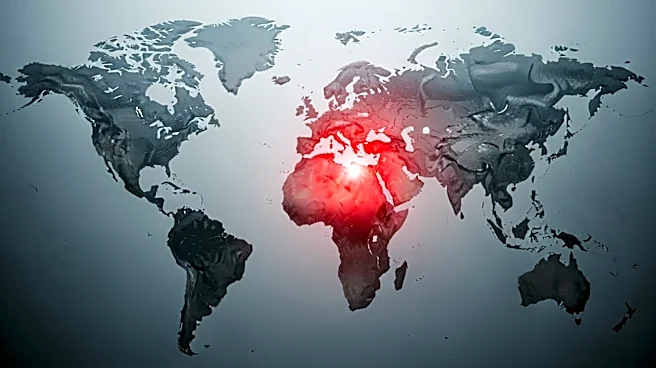
rising costs are affecting B.C. farmers as they enter the planting season. The conflict, which began on February 28, has disrupted supply chains, particularly for fertilizer, of which 40% is sourced from the Middle East. B.C. Jobs and Economic Growth Minister Ravi Kahlon has expressed concerns about these disruptions and the broader implications for supply chains, including pharmaceuticals. The task force aims to identify vulnerabilities and explore opportunities for B.C. to position itself as a reliable supplier in other sectors.
Why It's Important?
The formation of the task force underscores the economic ripple effects of international conflicts on local economies. For B.C. farmers, the increased costs of essential inputs like fuel and fertilizer threaten profitability and sustainability. The situation highlights the interconnectedness of global supply chains and the vulnerability of local economies to international events. The task force's findings could influence policy decisions and economic strategies, potentially leading to shifts in trade routes or increased domestic production capabilities.
What's Next?
The task force will likely assess the immediate and long-term impacts of the conflict on B.C.'s economy and propose strategies to mitigate these effects. This could involve exploring alternative supply routes or increasing local production of critical inputs. The government may also engage in discussions with federal counterparts to seek support for affected industries. The outcomes of these efforts could shape B.C.'s economic resilience and its role in global supply chains.