






What's Happening?
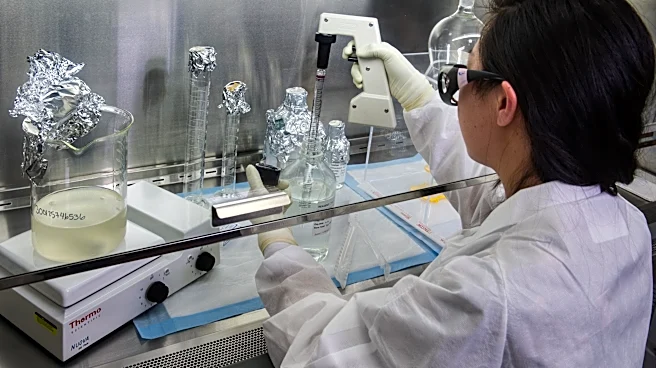
A recent study published in the journal Molecular Cancer has found a link between exposure to polystyrene microplastics and the growth of colon cancer in mice. The research involved feeding polystyrene particles to mice that had been given a carcinogen
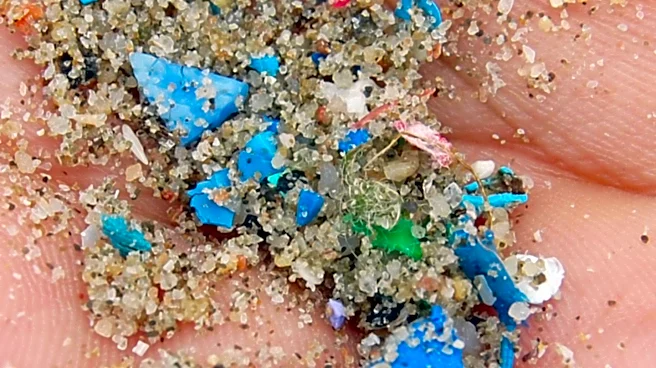
designed to induce colon cancer. Compared to a control group on a normal diet, the mice that consumed plastic developed both more tumors and more severe tumors. This finding comes amidst a global increase in colon cancer rates among young people, particularly in wealthier countries, with researchers investigating various potential risk factors that emerged in the 1970s, including ultra-processed foods, 'forever chemicals,' sedentary lifestyles, and the proliferation of microplastics. Scientists have previously detected microplastics in human food, water, air, and various organs, but their direct impact on human health is still being understood.
Why It's Important?
This study is highly significant for public health in the U.S. and globally, as it provides direct evidence of microplastics' potential role in cancer development, at least in an animal model. The rising incidence of colon cancer in younger populations is a growing concern, and identifying contributing factors is crucial for prevention and treatment strategies. Given the widespread presence of microplastics in the environment and human bodies, this research suggests a potential environmental health crisis. If these findings translate to humans, it could necessitate significant changes in plastic production, waste management, and food safety regulations. It also underscores the urgency of understanding the full spectrum of health impacts from microplastic exposure, moving beyond just the chemicals added to plastics to the physical particles themselves. This could lead to increased public demand for stricter controls on plastic pollution and greater investment in research on microplastic remediation and health effects.
What's Next?
Further research is needed to confirm these findings in humans and to understand the mechanisms by which microplastics might contribute to colon cancer. Scientists will likely investigate how microplastics interact with the human gut microbiome, immune system, and cellular processes. Frank Frizelle, a professor of surgery, suggests that microplastics might facilitate colon cancer by puncturing the colon's mucus layer, allowing toxins and harmful microbes to reach the colon wall. This hypothesis requires further investigation. Public health organizations may issue new guidelines or recommendations regarding plastic exposure, and regulatory bodies could consider stricter controls on plastic waste and microplastic release into the environment. The plastics industry may face increased pressure to develop more biodegradable or easily recyclable materials and to reduce microplastic shedding from products. Consumers may also become more conscious of their plastic consumption and exposure.
Beyond the Headlines
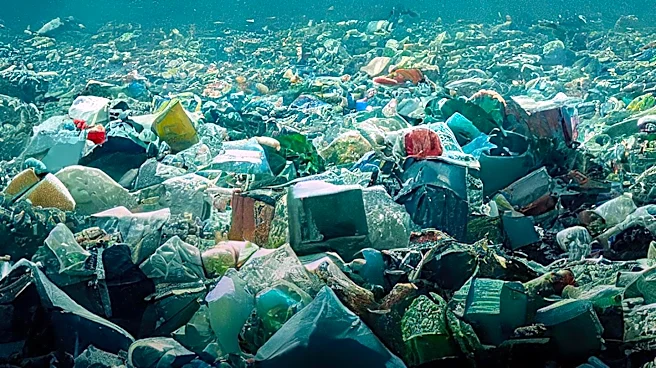
The study's implications extend beyond colon cancer, raising broader questions about the long-term health consequences of living in a plastic-saturated world. The discovery of microplastics in human lungs, placentas, and other organs suggests a systemic exposure that could affect various bodily functions. This issue highlights the complex interplay between environmental pollution, industrial practices, and human health, posing significant ethical challenges for policymakers and corporations. The 'forever chemicals' and ultra-processed foods mentioned as other potential risk factors for colon cancer underscore a wider problem of modern lifestyle and industrial products impacting health. Addressing microplastic pollution effectively will require a multi-faceted approach, including technological innovation, behavioral changes, and international cooperation, to mitigate a pervasive environmental contaminant that is increasingly recognized as a threat to human well-being.