





What's Happening?
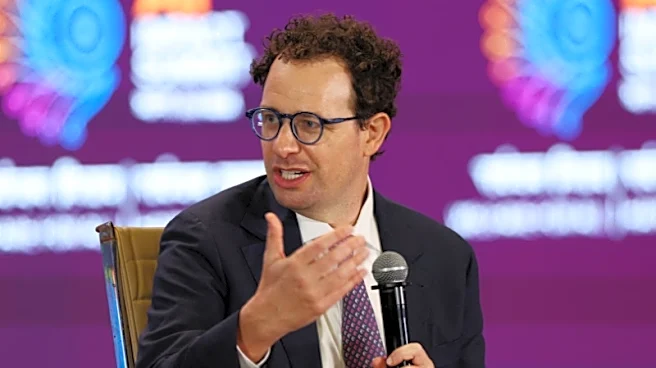
A recent event at the University of Southern California (USC) focused on the evolving impact of artificial intelligence (AI) on political behavior and media literacy. USC President Beong-Soo Kim moderated a discussion with professors specializing in political behavior,
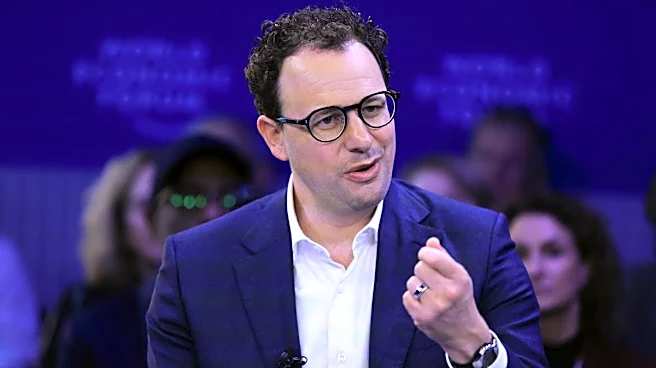
AI, and media literacy. The experts highlighted global pressures such as political polarization, eroding trust in institutions, and AI-generated misinformation. Professor Emilio Ferrara of the USC Viterbi School of Engineering noted the rapid acceleration of AI development and the lagging pace of regulation and policy. Gordon Stables, Director of Schools and Clinical Professor at USC Annenberg School for Communication and Journalism, emphasized the need for media and social institutions to earn trust, pointing out that algorithms often incentivize making institutions unpopular to support advertising goals. Associate Professor Eric Kramon of the USC Dornsife College of Letters, Arts and Sciences discussed how online spaces can dehumanize polarized sides and the importance of human engagement in fostering openness to new ideas. The event, part of the USC Open Dialogue Project, aimed to advance academic freedom, expression, and discourse.
Why It's Important?
The discussion at USC underscores critical challenges facing American democracy and society due to the rapid advancement of AI and its influence on information consumption. The erosion of trust in institutions, exacerbated by AI-generated misinformation and algorithmic incentives, can deepen political polarization and hinder informed public discourse. The lack of adequate regulation and policy for AI development creates a vacuum where technology can outpace societal safeguards, potentially leading to widespread manipulation and a decline in critical thinking skills among citizens. The emphasis on human connection and engagement as a counter to online dehumanization highlights the importance of fostering environments where diverse perspectives can be discussed constructively. This is crucial for maintaining a healthy democratic process and ensuring that technological progress serves societal well-being rather than undermining it.
What's Next?
The ongoing conversation initiated by the USC Open Dialogue Project suggests a continued focus on understanding and mitigating the negative impacts of AI on democracy and media literacy. Future efforts may involve developing new educational strategies to enhance media literacy among the public, particularly students, to help them navigate an information-saturated landscape. There is also an implicit call for policymakers and regulators to accelerate their efforts in establishing frameworks for AI governance that can keep pace with technological advancements. Furthermore, universities and research institutions are likely to continue exploring the ethical, social, and political implications of AI, potentially leading to interdisciplinary collaborations aimed at finding solutions. The insights from this event could also inform initiatives designed to promote civil discourse and human connection in an increasingly digital world, aiming to counteract the isolating effects of technology.
Beyond the Headlines
Beyond the immediate concerns of misinformation and polarization, the USC discussion touches upon deeper societal shifts. The observation that AI's language is beginning to influence human speech suggests a subtle but profound impact on cultural and cognitive patterns. This raises questions about the future of human communication, creativity, and even identity in an AI-dominated environment. The challenge of building media and social institutions that earn trust in an age where algorithms prioritize engagement over accuracy points to a fundamental re-evaluation of how information is produced, disseminated, and consumed. The call for 'purposeful presence' and human connection in various aspects of life, from personal interactions to professional settings, indicates a growing recognition of the irreplaceable value of human interaction in fostering empathy, understanding, and collective problem-solving. This broader implication suggests a potential societal pushback against unchecked technological isolation, advocating for a more balanced integration of AI that prioritizes human well-being and democratic values.