







What's Happening?
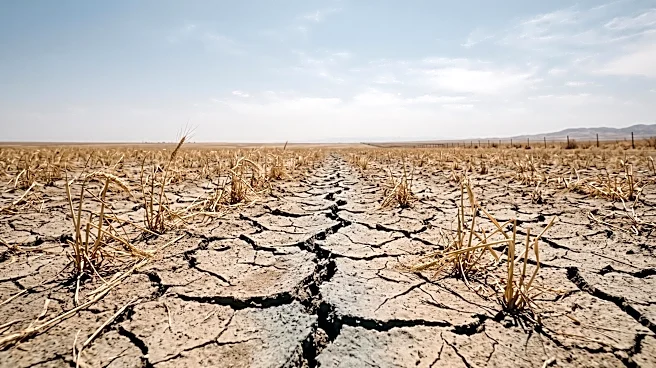
Extreme weather events, including droughts, heatwaves, megafires, storms, and floods, are causing significant economic repercussions, particularly in the agricultural sector. This phenomenon, termed 'climateflation,' is leading to a sharp rise in global
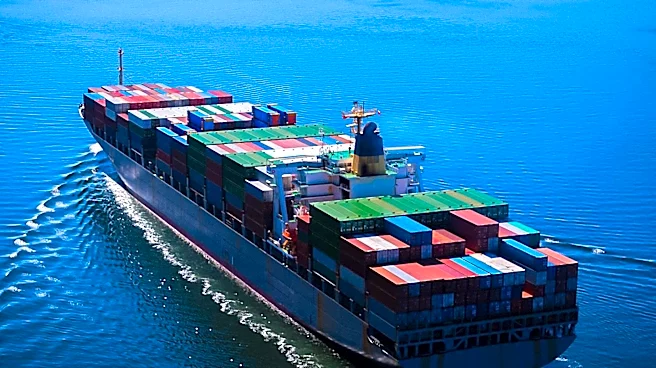
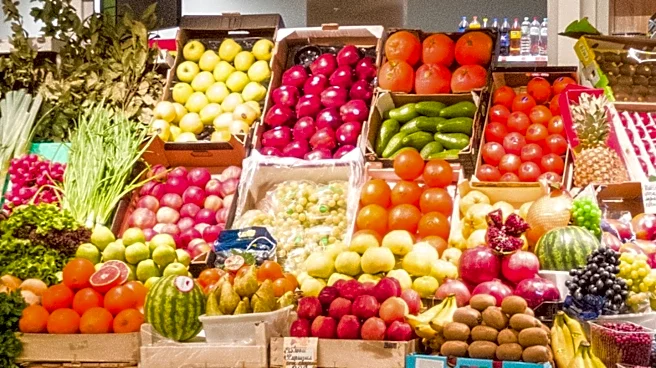
food prices. Temperature anomalies and insufficient rainfall, followed by intense storms, are contributing to this climate-driven inflation. According to an analysis by Oxford Economics, global food prices are projected to increase by 11.8 percent over the year due to these factors. The impact is not yet attributed to El Niño, which is expected to further amplify the problem later in the year. Human-caused climate change, primarily from the burning of fossil fuels, is identified as the overwhelming driver of the prolonged heat experienced in recent months. Additionally, rising fossil fuel prices due to geopolitical tensions are increasing transportation costs for goods, further exacerbating the issue.
Why It's Important?
The rise of 'climateflation' has significant implications for global economies and consumers, particularly in the U.S. as part of the interconnected global food supply chain. Increased food prices directly impact household budgets, potentially leading to reduced purchasing power and a higher cost of living. Industries reliant on agricultural products, such as food processing, retail, and hospitality, will face increased input costs, which may be passed on to consumers or result in reduced profit margins. The agricultural sector itself is experiencing direct losses in harvests and production capacity, threatening food security and the livelihoods of farmers. This trend highlights the economic vulnerability to climate change and the urgent need for resilient food systems and sustainable practices to mitigate future price volatility and ensure stable food supplies.
What's Next?
The effects of 'climateflation' are expected to intensify, with El Niño anticipated to begin making its impact felt from next autumn, further amplifying consumer price increases in the medium and long term. Producers and manufacturers are likely to continue passing higher costs onto consumers due to widespread pressure from energy and transport expenses. Reports from agricultural associations, such as Coceral in Europe, indicate significant declines in cereal harvests, which will translate into less food and consequently more expensive food. Specific commodities like coffee, cocoa, olive oil, citrus fruits, potatoes, wheat, sugar, and butter are all projected to see price increases due to various regional climate impacts. Consumers should anticipate continued upward pressure on food prices, and policymakers may face increasing calls to address both climate change and its economic consequences.
Beyond the Headlines
The concept of 'climateflation' underscores a deeper, systemic challenge at the intersection of environmental degradation and economic stability. Beyond immediate price hikes, it reveals the fragility of global supply chains and the profound economic costs associated with climate change. This phenomenon could trigger shifts in consumer behavior, potentially leading to increased demand for locally sourced goods or alternative food products if imported staples become prohibitively expensive. It also highlights the ethical dilemma of who bears the cost of climate change – often the most vulnerable populations who spend a larger proportion of their income on food. The long-term implications could include accelerated investment in climate-resilient agriculture, renewable energy sources to reduce transport costs, and international cooperation to stabilize food markets, fundamentally reshaping how societies produce, distribute, and consume food.