








What's Happening?
Home security systems are increasingly incorporating advanced features to combat parcel theft from rental properties and residential homes. Key components include door and window sensors, motion detection, and remote alert capabilities. For optimal protection,
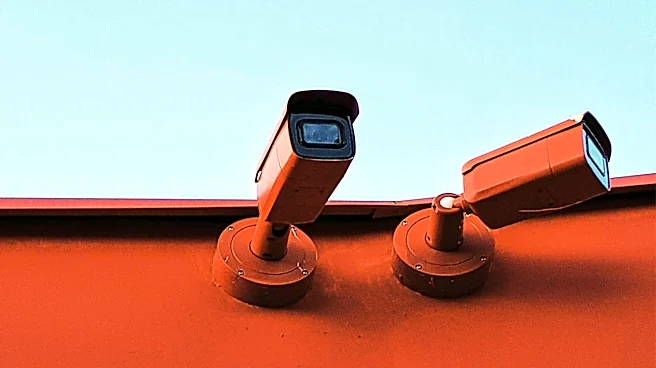
these systems often integrate battery and cellular backup to ensure continuous operation. Strategic placement of security cameras is crucial, particularly for deterring porch parcel theft. Automated sensor lights and visible warning signage are also employed to discourage potential offenders. Modern systems utilize advanced smart detection technology to differentiate between environmental movements and actual human activity, thereby reducing false alarms and ensuring that alerts are sent only when human presence is detected near entryways. For broader coverage, products like the eufyCam S4 2-Cam Kit offer wide-angle views and smart tracking. Enhanced night vision, including strong infrared capabilities or motion-activated spotlights, is vital for clear recording during dark hours, startling trespassers and providing crisp, full-color video.
Why It's Important?
The rise in online shopping has led to an increase in parcel theft, making robust home security solutions critical for U.S. consumers and property owners. Effective security systems protect valuable deliveries, reducing financial losses and the inconvenience associated with stolen packages. For rental property owners, these systems can enhance property value and tenant satisfaction by providing a safer environment. The integration of AI-powered person detection significantly improves the efficiency of security alerts, preventing unnecessary notifications and allowing users to focus on genuine threats. This technological advancement is important for both individual homeowners and the broader security industry, as it drives innovation in surveillance and crime prevention. The ability to monitor properties remotely and receive real-time alerts empowers individuals to take immediate action, whether by contacting authorities or coordinating with neighbors, thereby strengthening community safety and deterring criminal activity.
What's Next?
The future of home security for parcel protection will likely see further integration of artificial intelligence and smart home technologies. Expect continued advancements in AI recognition to not only detect human presence but also to specifically identify packages and alert users if they are moved or stolen. Manufacturers will likely focus on developing more sophisticated algorithms that can predict potential threats based on behavioral patterns, offering proactive rather than reactive security. The expansion of two-way audio features will enable more dynamic interaction with delivery personnel and potential intruders. Additionally, there will be an increased emphasis on user-friendly interfaces and seamless integration with other smart home devices, creating a more cohesive and automated security ecosystem. The industry may also explore partnerships with delivery services to create more secure drop-off options, such as smart parcel lockers that integrate directly with home security systems.
Beyond the Headlines
Beyond the immediate benefit of preventing parcel theft, these advanced home security systems contribute to a broader sense of safety and peace of mind for U.S. residents. The visible presence of security cameras and warning signs acts as a significant psychological deterrent, potentially reducing other forms of property crime. The data collected by these systems, while primarily for individual security, could also contribute to community-wide crime analysis and prevention efforts when shared responsibly with law enforcement. Ethically, the balance between security and privacy remains a critical consideration, particularly with the increasing sophistication of surveillance technology. Legal frameworks may need to evolve to address issues such as data storage, access, and the appropriate use of AI-powered monitoring. Culturally, the widespread adoption of these systems reflects a growing reliance on technology to address everyday challenges and a shift towards more proactive personal security measures in an increasingly digital world.