







What's Happening?
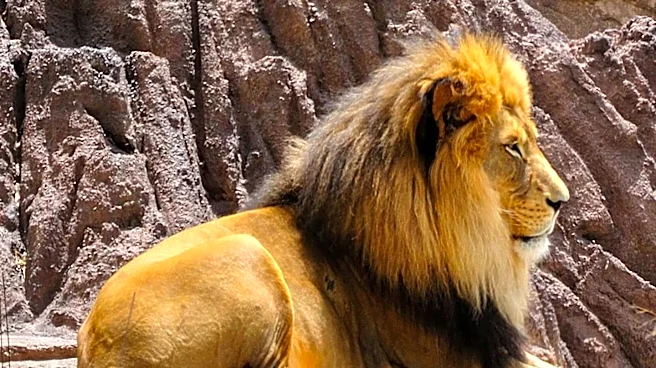
Three lions at the Tama Zoological Park in Tokyo have died from suspected heatstroke amid Japan's record-breaking heatwave. The zoo reported that ten of its sixteen lions showed symptoms such as loss of appetite and decreased activity due to the extreme
heat and humidity. The deaths have raised concerns about the impact of climate change on wildlife, as Japan experiences increasingly frequent and intense heat events. The zoo has implemented measures such as sprinkling water and improving ventilation to protect the remaining animals. The incident has also sparked criticism from animal rights groups regarding the conditions in which zoo animals are kept.
Why It's Important?
The deaths of the lions highlight the broader issue of climate change and its impact on both human and animal populations. Japan's extreme heat poses significant health risks, with thousands of people hospitalized and numerous heat-related deaths reported. The situation underscores the urgent need for effective climate adaptation strategies to protect vulnerable populations, including wildlife. Additionally, the incident raises ethical questions about the role of zoos and the conditions in which animals are kept, prompting discussions about animal welfare and the responsibilities of such institutions in the face of climate change.
What's Next?
In response to the heatwave, Japanese authorities may need to implement more robust measures to protect both human and animal populations from extreme temperatures. This could include enhancing public health infrastructure, improving emergency response systems, and increasing public awareness about heat-related risks. For zoos, there may be a push for stricter regulations and improved facilities to ensure the well-being of animals during extreme weather events. The incident may also lead to increased advocacy for climate action and animal rights, as stakeholders seek to address the root causes of such tragedies.