
What's Happening?
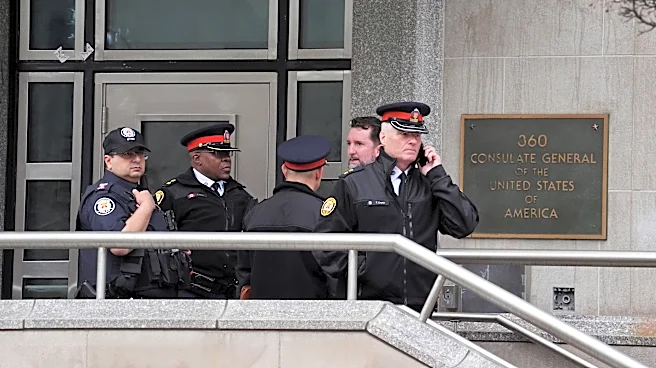
Los Angeles County Sheriff Robert Luna announced that federal officials have assured him that civil immigration enforcement will not occur at FIFA World Cup games or events in Los Angeles. This statement
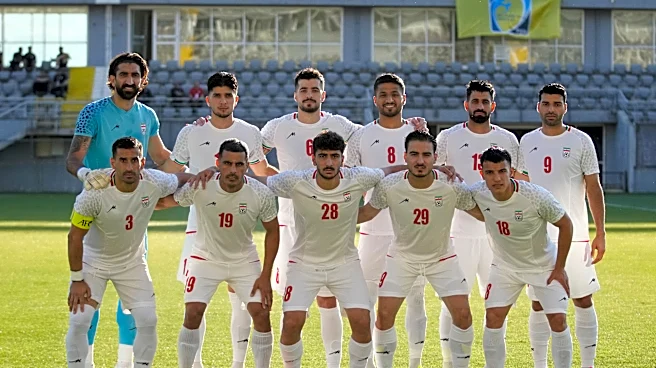
comes amid heightened security preparations for the eight matches scheduled to begin on June 12. Sheriff Luna emphasized that while federal agents will be present to ensure the security of venues, they will not engage in civil immigration enforcement. This assurance follows rumors and concerns about potential ICE presence at the games, which had previously sparked demonstrations in Los Angeles. Additionally, there will be increased security measures for Iran's matches due to current geopolitical tensions, with authorities monitoring for potential protests. The district attorney's office has also warned of a zero-tolerance policy for unauthorized drone usage around World Cup venues.
Why It's Important?
The assurance that ICE will not conduct enforcement at World Cup events is significant for immigrant communities in Los Angeles, alleviating fears of potential raids and deportations during the high-profile event. This decision is likely to encourage attendance and participation from diverse communities, fostering a more inclusive atmosphere. The heightened security measures, particularly around Iran's matches, reflect ongoing geopolitical tensions and the need for careful management of international events. The zero-tolerance policy for drones underscores the emphasis on safety and security, aiming to prevent disruptions and ensure the smooth operation of the tournament. These measures highlight the complex interplay between local law enforcement, federal agencies, and international relations in managing large-scale events.
What's Next?
As the World Cup approaches, local and federal authorities will continue to coordinate security efforts to ensure the safety of participants and spectators. The situation remains dynamic, with the potential for changes in enforcement policies if new security threats emerge. Community leaders and immigrant rights groups may continue to monitor the situation closely, ready to respond to any shifts in policy or enforcement practices. The success of these security measures could set a precedent for future international events hosted in the U.S., influencing how law enforcement balances security with community relations.