

What's Happening?
Oklahoma gubernatorial candidate Mike Mazzei is facing significant skepticism from Inola residents regarding his support for a large aluminum smelter project, which he publicly endorsed shortly before receiving President Trump's backing. The proposed
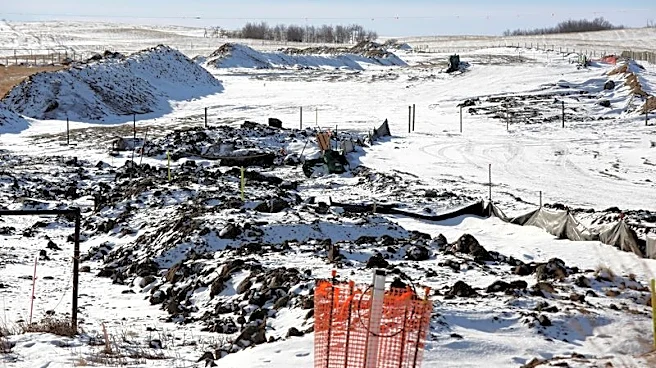
smelter, a joint venture between United Arab Emirates-based Emirates Global Aluminium and Chicago-based Century Aluminum Company, is part of President Trump's initiative to revitalize U.S. aluminum production and enhance national security. While the project is projected to create approximately 1,000 direct jobs and thousands of construction jobs, local ranchers are concerned about potential fluoride pollution harming their hay and cattle. Long-term fluoride exposure is known to cause lameness and dental problems in animals. The facility has applied for a permit to emit up to 1.02 pounds of total fluoride per ton of aluminum, with a potential for 425 tons of fluoride emissions annually. This would make it the largest fluoride-emitting industrial plant in the nation, according to an expert report cited by the Oklahoma Attorney General's Office, which opposes the project. Mazzei has attempted to reassure residents, claiming the facility would emit less than half the maximum allowable amount, a figure he attributes to comparable facilities in Europe and the Middle East, though he has not provided documentation.
Why It's Important?
This situation highlights a conflict between economic development, national security interests, and local environmental concerns in Oklahoma. President Trump's endorsement of Mazzei, tied to the smelter project, underscores the administration's push for domestic industrial growth and reduced reliance on foreign supply chains for critical materials like aluminum. However, the strong local opposition from Inola residents, particularly ranchers, demonstrates the significant environmental and health concerns that often accompany large industrial projects. The debate over the smelter's emissions, particularly fluoride, directly impacts the agricultural sector, a vital part of Oklahoma's economy. The outcome of this political contest and the smelter's approval process could set a precedent for how similar industrial projects are evaluated and implemented in other rural communities across the U.S., balancing job creation and national interests against local environmental protection and public health. The controversy also tests the influence of presidential endorsements in local elections, especially when candidates shift their stances to align with national political figures.
What's Next?
The Oklahoma Department of Environmental Quality is currently evaluating Oklahoma Primary Aluminum's permit application, and its decision will be crucial for the project's future. The gubernatorial runoff election will also be a key determinant, as Mazzei's opponent, Oklahoma Attorney General Gentner Drummond, is actively suing to block the smelter project. The outcome of this election could significantly alter the political landscape surrounding the smelter. Mazzei's campaign has indicated plans to reschedule a town hall in Rogers County, where the facility would be located, for after the runoff election, suggesting continued efforts to address public concerns, albeit on a delayed timeline. Local residents, like Chris Roam and Julie Flathers, are likely to continue their advocacy against the smelter, demanding more transparent and verifiable information regarding its environmental impact. The legal challenge from the Attorney General's office will also proceed, potentially leading to court battles that could further delay or halt the project.
Beyond the Headlines
The controversy surrounding the Inola smelter project delves into deeper issues of trust between local communities, political leaders, and corporations. The residents' skepticism, fueled by what they perceive as insufficient and potentially biased information from the campaign and the company, highlights a broader challenge in public discourse around industrial development. The use of pre-screened questions at town halls further erodes public trust and suggests a reluctance to engage in open dialogue about critical environmental concerns. This situation also touches upon the ethical implications of political endorsements influencing policy stances, as Mazzei's shift in position after President Trump's backing raises questions about the genuine alignment of local leaders with their constituents' interests versus national political agendas. The long-term health impacts on livestock and the environment, particularly from fluoride emissions, could have lasting consequences for the region's agricultural economy and ecological balance, even if the project proceeds with regulatory approval. This case exemplifies the ongoing tension between economic progress and environmental stewardship in the U.S.