



What's Happening?
The Trump administration is proposing changes to the National Historic Preservation Act of 1966, specifically targeting Section 106, which mandates federal agencies to assess the impact of construction projects on historic sites. The proposed changes aim
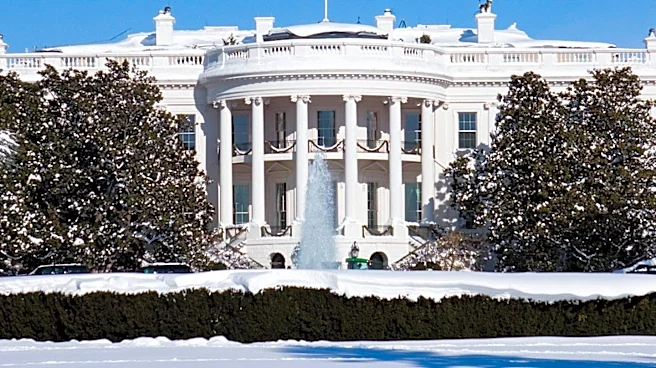
to reduce federal oversight, potentially clearing the way for President Trump's projects in Washington, D.C., and affecting historic sites across the U.S. Critics argue that this move could endanger numerous culturally significant locations. The Advisory Council on Historic Preservation, largely composed of Trump appointees, is pushing for these revisions, which include redefining what qualifies as historic, making public comments optional, and removing the requirement to consult with Native American tribes. The changes are seen as a way to expedite federal projects but have sparked significant opposition from preservation groups and legal experts.
Why It's Important?
The proposed weakening of historic preservation rules could have far-reaching implications for the preservation of America's cultural heritage. By reducing protections, the Trump administration's actions could lead to the destruction of historic sites, impacting communities with deep historical ties to these locations. The changes could also set a precedent for prioritizing development over preservation, potentially leading to legal battles and public outcry. This move could affect not only historic sites but also the broader landscape of federal project approvals, potentially altering how future developments are assessed and approved.
What's Next?
The proposed changes to Section 106 are expected to face legal challenges, as preservation groups and legal experts prepare to contest the revisions. The public comment period will provide an opportunity for stakeholders to voice their concerns, potentially influencing the final decision. Congress may also intervene, with some lawmakers already expressing opposition to the changes. The outcome of this process could shape the future of historic preservation in the U.S., determining how federal projects are balanced with the need to protect cultural heritage.