




What's Happening?
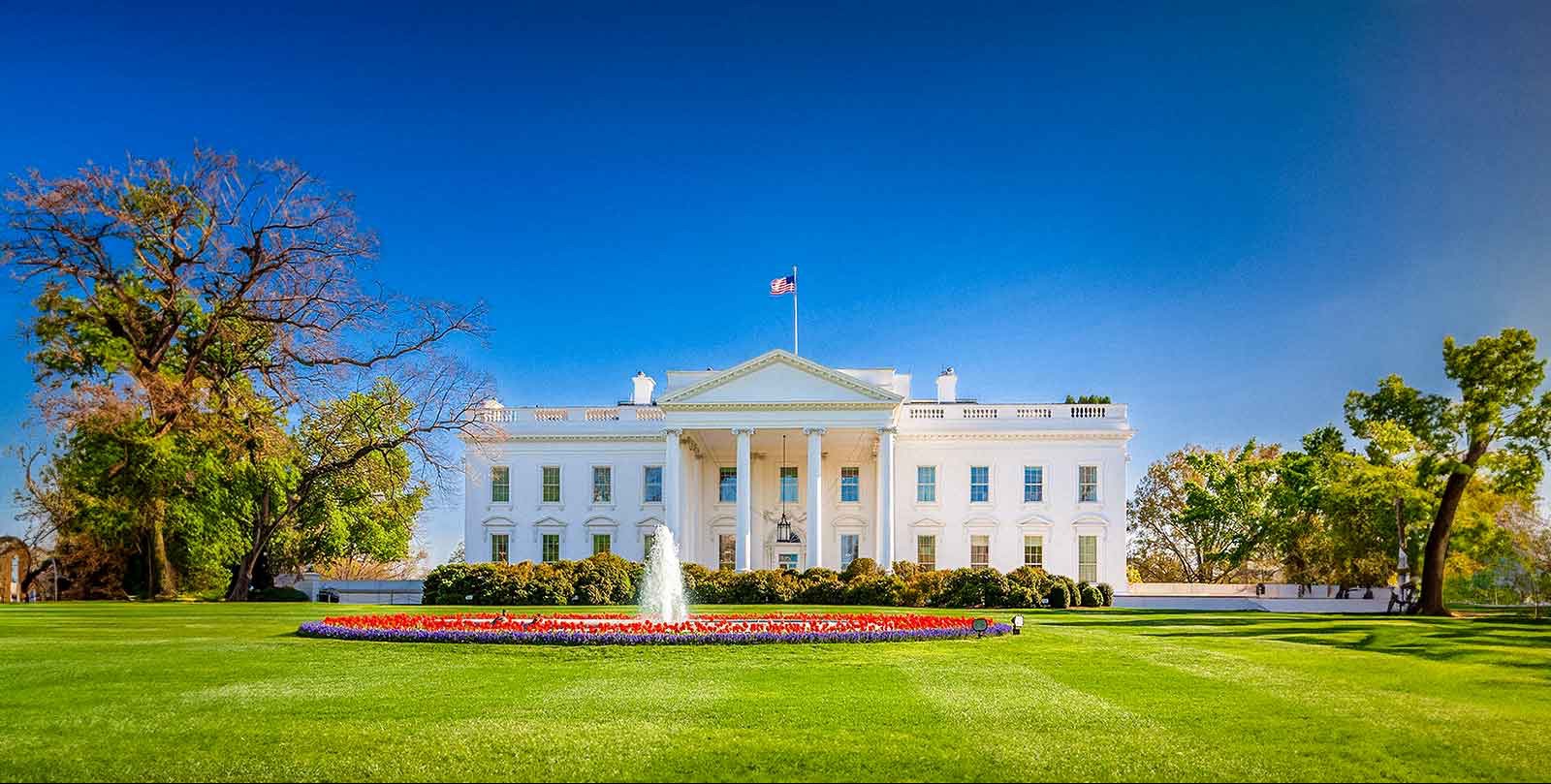
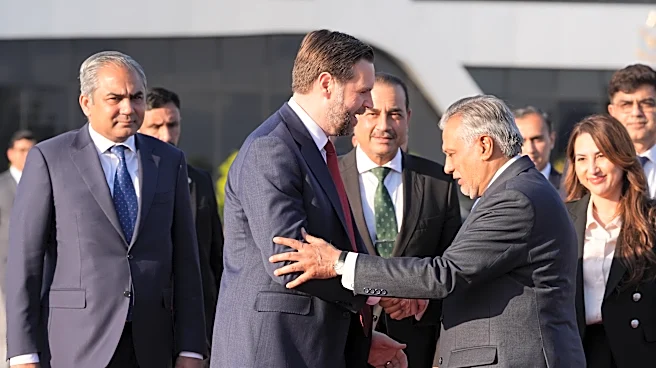
Israel and Lebanon are set to hold peace talks in Washington, with representatives from both countries meeting at the U.S. State Department. The negotiations aim to address ongoing tensions, particularly with Hezbollah, which continues to exert significant
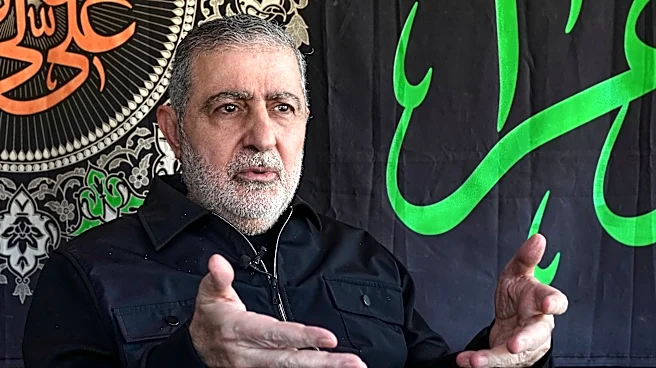
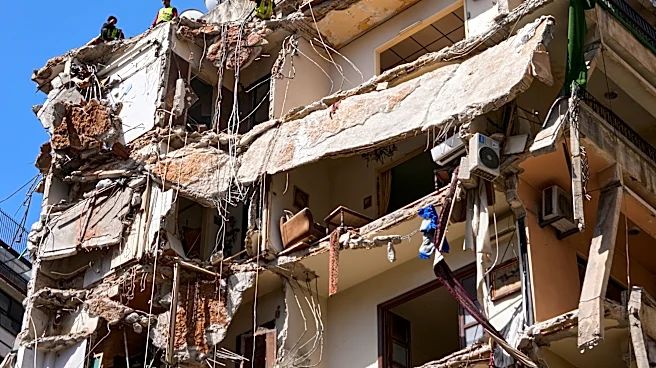
influence in Lebanon. Despite the talks, Israel plans to continue its military operations against Hezbollah, maintaining a dual approach of diplomacy and military action. Israeli officials hope that the peace talks will weaken Hezbollah's dominance and strengthen democratic forces in Lebanon. However, Hezbollah's leadership has dismissed the talks as unnecessary and threatened to kidnap soldiers, indicating ongoing resistance to the peace process.
Why It's Important?
The peace talks between Israel and Lebanon are significant as they represent a potential step towards resolving longstanding tensions in the region. The negotiations could lead to a reduction in hostilities and a more stable geopolitical environment. However, the ongoing influence of Hezbollah and its opposition to the talks pose significant challenges to achieving lasting peace. The outcome of the negotiations could have broader implications for regional stability and the balance of power in the Middle East. The talks also highlight the complex dynamics between military action and diplomatic efforts in addressing regional conflicts.
What's Next?
The peace talks are expected to continue, with both countries exploring potential avenues for reducing tensions and achieving a lasting resolution. However, the ongoing military operations against Hezbollah and the group's resistance to the peace process suggest that achieving a comprehensive agreement may be challenging. The international community, particularly the United States, is likely to play a key role in facilitating the negotiations and supporting efforts to address the underlying issues. The outcome of the talks will be closely monitored by regional stakeholders and could influence future diplomatic and military strategies in the Middle East.
Beyond the Headlines
The peace talks raise important questions about the role of external actors in facilitating negotiations and the challenges of addressing deeply entrenched conflicts. The ongoing influence of Hezbollah and its opposition to the peace process highlight the complexities of achieving lasting peace in the region. The talks also underscore the importance of addressing the underlying political and social dynamics that contribute to regional tensions. The potential for further escalation and the impact on regional stability underscore the need for continued dialogue and cooperation among international stakeholders.