




What's Happening?
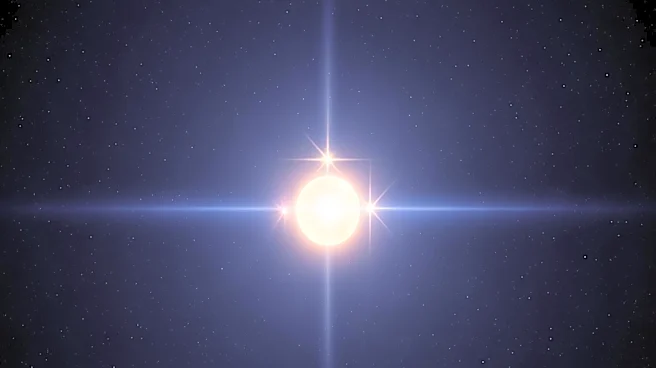
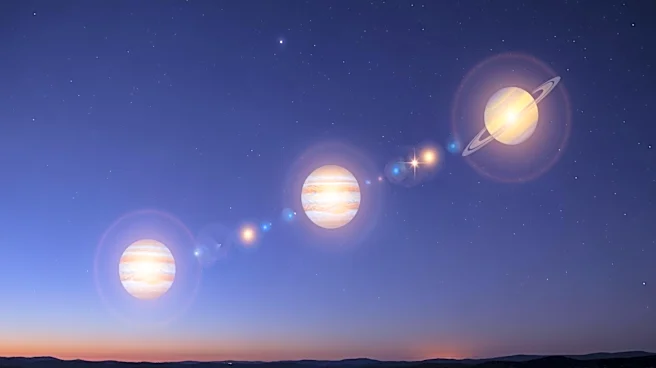
In May, skywatchers will be treated to a celestial display featuring Jupiter, Venus, and Saturn. Jupiter, visible in the western sky, will offer crisp telescopic views of its cloud patterns and moons until it descends later in the month. Venus, shining
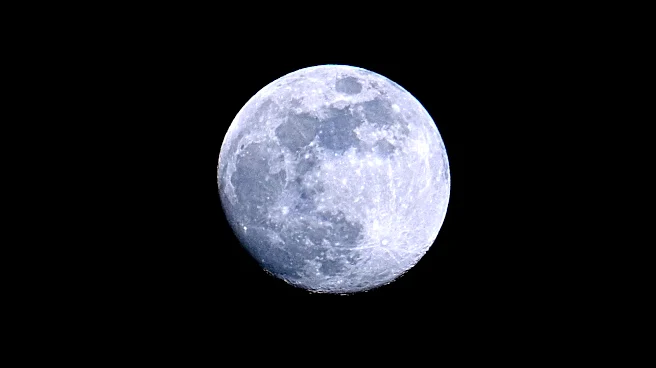
brightly in the west-northwest, will be accompanied by a crescent moon on May 18, creating a striking visual. Saturn, rising in the east during morning twilight, will gradually become more visible as it moves north across the celestial equator. Mars, although challenging to spot, will be visible in the morning sky with the aid of a crescent moon on May 14. Mercury will also make an appearance near the west-northwest horizon by the end of the month.
Why It's Important?
This astronomical event provides an opportunity for both amateur and professional astronomers to observe and study these planets. The visibility of Jupiter, Venus, and Saturn offers a chance to explore their features and movements. Such events can inspire interest in astronomy and science, encouraging educational activities and public engagement. The alignment and visibility of these planets also contribute to ongoing research and understanding of planetary motion and celestial mechanics.
What's Next?
As the month progresses, observers can expect Venus to move closer to Jupiter, enhancing the visual spectacle. Saturn's increasing altitude will allow for better viewing conditions in the coming months. The event may prompt educational institutions and observatories to organize viewing sessions and workshops, fostering community interest in astronomy. Additionally, the visibility of these planets may lead to increased media coverage and public interest in celestial events.