



What's Happening?
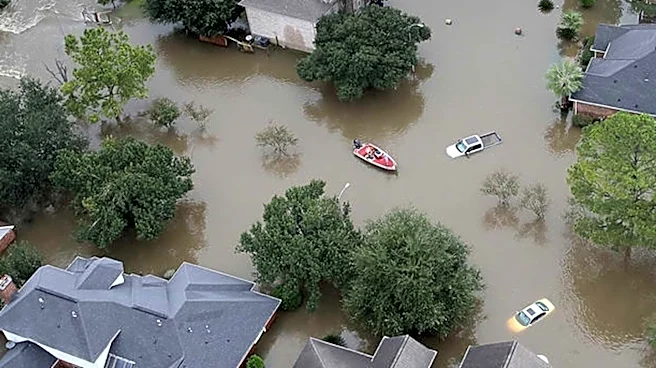
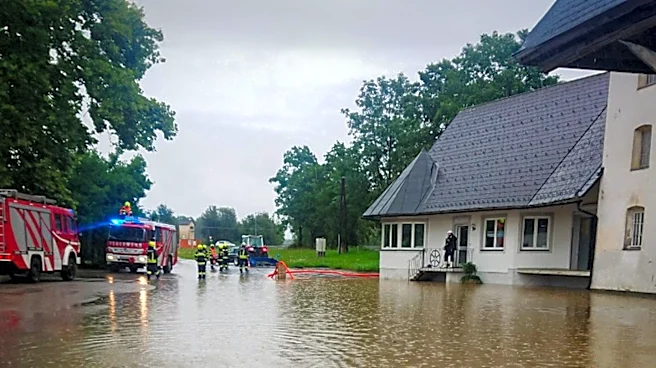
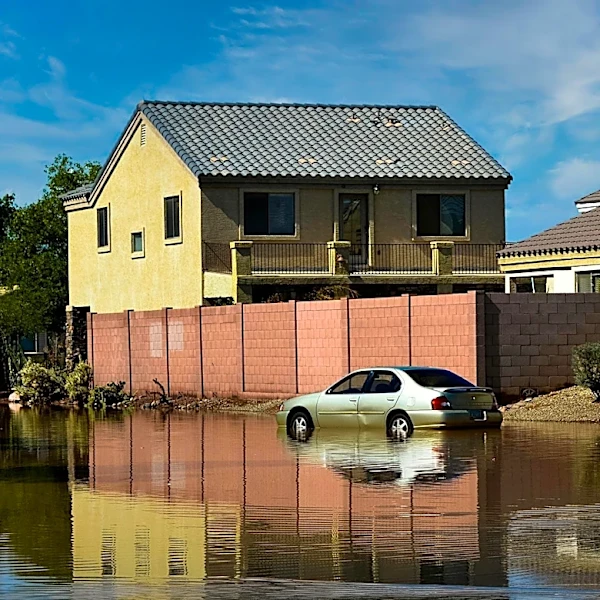
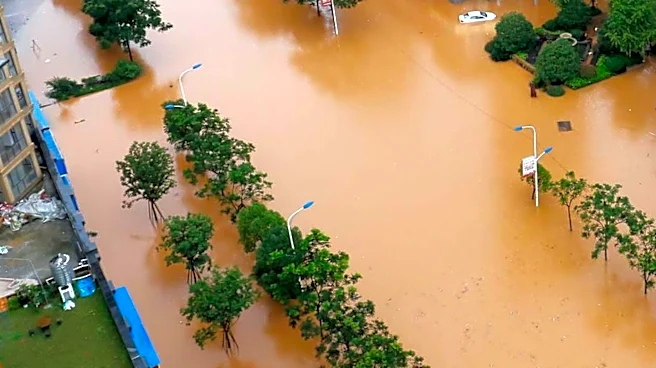
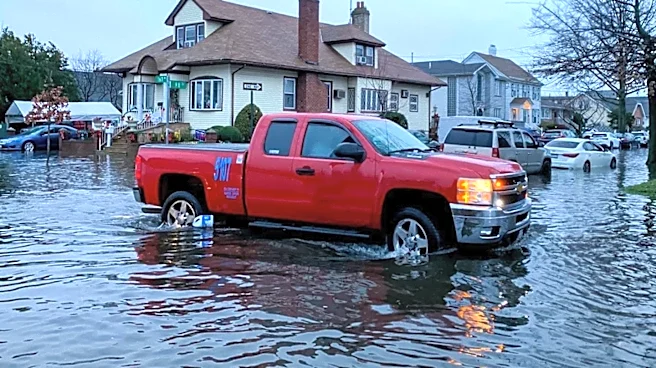
Missouri is currently under a state of emergency due to severe flash flooding, which has resulted in over 300 rescues across the state. The situation has prompted a significant response from emergency services as they work to assist those affected by
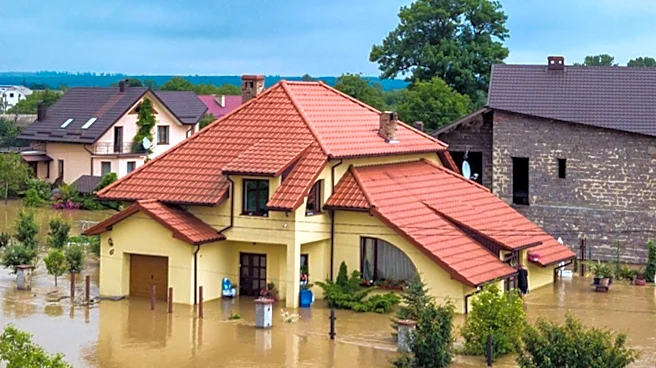
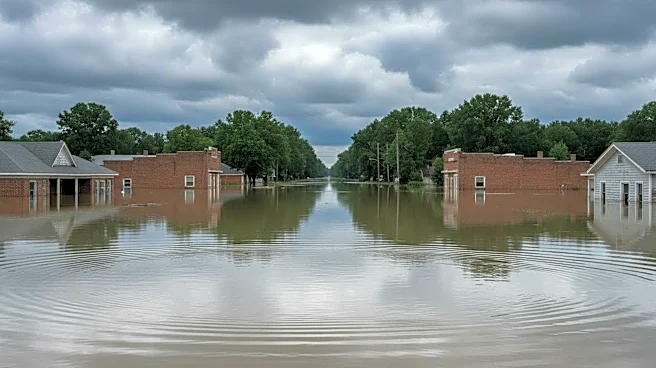
the rising waters. The flooding has been attributed to heavy rainfall, which has overwhelmed local waterways and infrastructure. This natural disaster has caused widespread disruption, with many residents forced to evacuate their homes and seek shelter. The state's emergency management teams are coordinating efforts to provide relief and ensure the safety of the affected communities. The flooding in Missouri is part of a broader pattern of extreme weather events impacting various regions, highlighting the challenges posed by such natural disasters.
Why It's Important?
The flash flooding in Missouri underscores the increasing frequency and severity of extreme weather events, which have significant implications for public safety and infrastructure. The emergency response efforts highlight the critical need for preparedness and resilience in the face of natural disasters. This event also raises concerns about the adequacy of existing infrastructure to handle such extreme weather conditions, prompting discussions on the need for investment in flood prevention and mitigation strategies. The impact on local communities is profound, with potential long-term economic and social consequences as residents and businesses recover from the damage. The situation in Missouri serves as a reminder of the broader challenges posed by climate-related events and the importance of proactive measures to protect vulnerable populations.
What's Next?
In the aftermath of the flooding, Missouri's state and local authorities will likely focus on recovery and rebuilding efforts. This will involve assessing the damage to infrastructure and homes, providing support to displaced residents, and implementing measures to prevent future flooding. The state may also seek federal assistance to aid in recovery efforts. Additionally, there may be increased advocacy for policies and investments aimed at enhancing resilience to extreme weather events. The response to this disaster could influence future planning and policy decisions related to climate adaptation and infrastructure development. Stakeholders, including government agencies, community organizations, and residents, will play a crucial role in shaping the recovery process and addressing the underlying vulnerabilities exposed by the flooding.