






What's Happening?
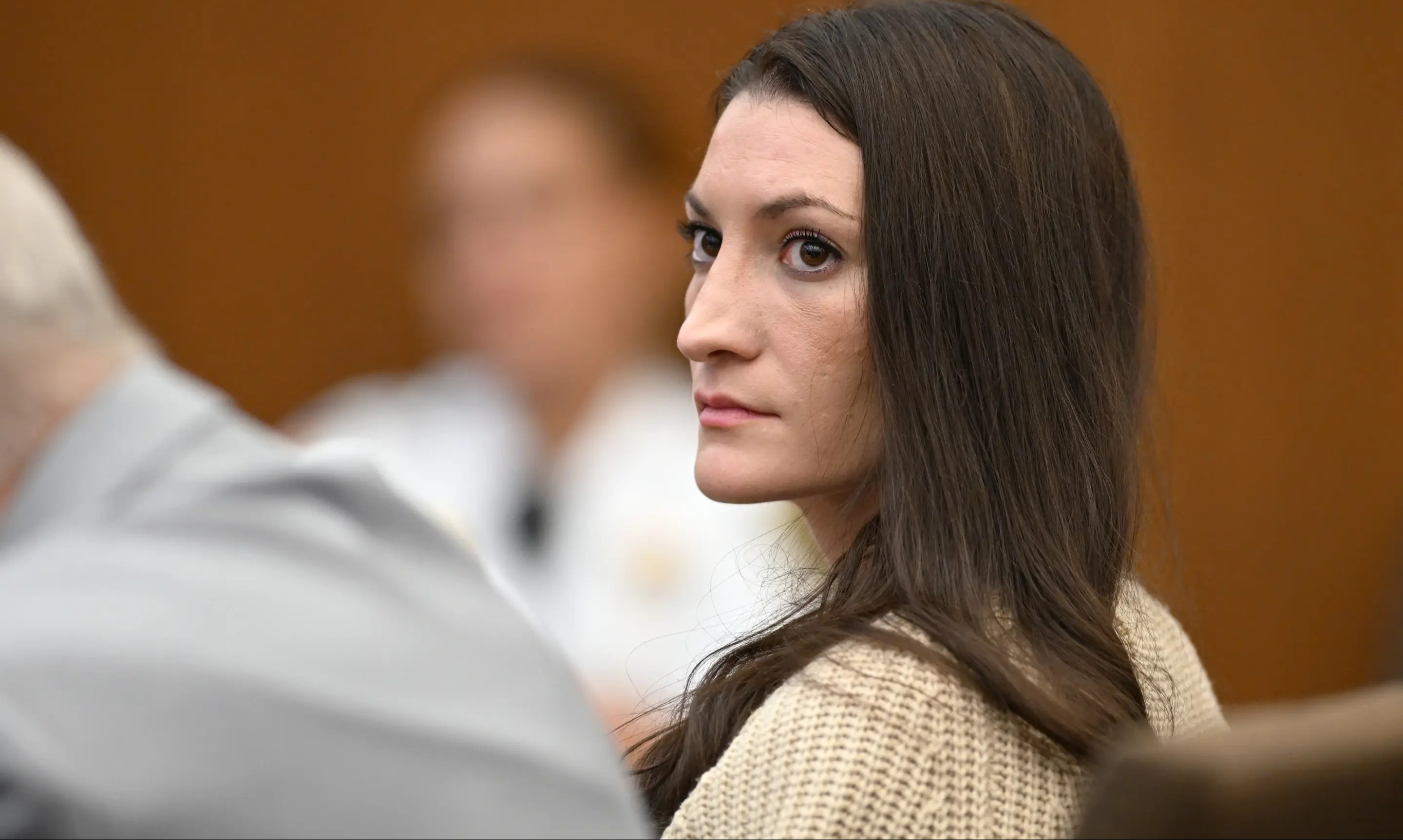
The trial of Lindsay Clancy, a former nurse accused of murdering her three children, has concluded its fifth week with the defense resting its case. Clancy, 36, has pleaded not guilty due to a lack of criminal responsibility, citing postpartum psychosis
as the cause. She does not deny strangling her children but argues that her actions were a result of this rare and severe condition, which can often go undiagnosed and untreated. The case has garnered significant public attention, particularly on social media, and has reignited discussions about the fundamental deficiencies within the U.S. maternal healthcare system. Host Carter Sherman and Jenna Amatulli, deputy head of news for Guardian US, discussed how Clancy's story has both captivated and polarized the public.
Why It's Important?
This trial is critically important as it brings to the forefront the severe and often misunderstood mental health challenges faced by new mothers, specifically postpartum psychosis. The defense's argument highlights the potential for devastating consequences when such conditions are not adequately recognized or treated within the healthcare system. The public's strong reaction, both supportive and critical, underscores a societal struggle to comprehend and address maternal mental health issues. The case could influence future legal precedents regarding mental health defenses in criminal cases and may spur legislative or policy changes aimed at improving maternal mental healthcare access, screening, and support in the United States. It also forces a re-evaluation of how society views and supports mothers struggling with severe mental health conditions.
What's Next?
With the defense having rested, the trial will proceed to closing arguments, followed by jury deliberations. The verdict will have significant legal implications for Lindsay Clancy and could set a precedent for how postpartum psychosis is considered in criminal justice. Beyond the courtroom, the case is likely to continue fueling public discourse on maternal mental health. Advocacy groups and healthcare professionals may leverage the heightened awareness to push for reforms in maternal healthcare policies, including increased funding for mental health screenings, accessible treatment options, and educational campaigns to destigmatize conditions like postpartum psychosis. The outcome could also influence how medical and legal communities collaborate on cases involving severe mental health conditions.
Beyond the Headlines
The Lindsay Clancy trial exposes deeper ethical and societal questions about culpability, mental illness, and the support systems available to new parents. It challenges the traditional understanding of criminal intent when severe mental health conditions are at play, prompting a re-examination of the 'insanity defense' in modern jurisprudence. Culturally, the case forces a difficult conversation about the immense pressures placed on mothers and the often-invisible struggles they face, particularly when dealing with conditions like postpartum psychosis. It highlights a systemic failure to adequately support maternal well-being, suggesting that society often prioritizes physical health over mental health in the postpartum period. The polarization of public opinion also reflects a broader societal discomfort with complex mental health issues and the difficulty in balancing compassion with accountability.