








What's Happening?
Approximately 100 million people across the United States are facing extreme temperatures this week as a heat dome affects the western part of the country and spreads to the Northeast. Record-breaking temperatures have been reported, with Billings, Montana
reaching 111 degrees. The National Weather Service has issued extreme heat warnings for several states, including Utah, where Salt Lake City recorded an all-time high of 109 degrees. The heat dome is expected to cause temperatures to soar between 105 and 115 degrees, increasing the risk of wildfires and heat-related illnesses.
Why It's Important?
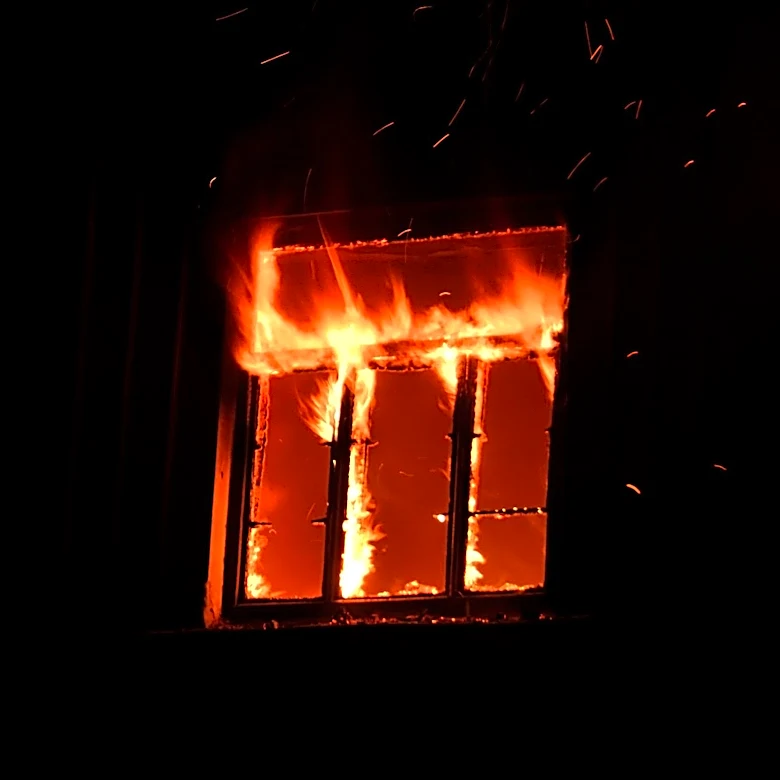
The extreme heat poses significant health risks, including heat stroke and other heat-related illnesses, particularly for vulnerable populations such as the elderly and those without access to air conditioning. The heat also exacerbates wildfire risks, as seen in California's Antelope Valley, where the Summit Fire has forced evacuations. The prolonged heat wave could strain energy resources as demand for electricity rises, impacting infrastructure and potentially leading to power outages. Additionally, the economic impact on agriculture and outdoor labor sectors could be substantial.
What's Next?
Forecasters predict that the heat will continue to affect large parts of the U.S. through the week, with the Northern Tier peaking on Tuesday and the Northeast on Wednesday. Emergency services and local governments are likely to remain on high alert, providing cooling centers and resources to mitigate the impact on residents. The ongoing heat wave may prompt further discussions on climate change and the need for infrastructure improvements to handle extreme weather conditions.