
What's Happening?
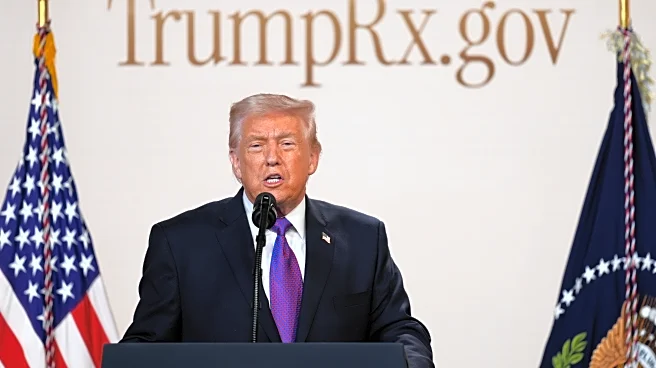
Under legislation enacted during President Donald Trump's administration, the federal government will begin depositing $1,000 for every baby born between 2025 and 2028. This initiative, referred to as
'Trump Accounts,' is part of a broader tax and spending policy aimed at providing financial support to families. The program is set to commence in July, with the funds intended to assist parents in managing the costs associated with raising children. The initiative reflects a continuation of President Trump's economic policies, which focused on tax cuts and increased government spending to stimulate economic growth.
Why It's Important?
The introduction of 'Trump Accounts' represents a significant policy shift in how the federal government supports families with newborns. By providing a financial boost at birth, the program aims to alleviate some of the economic pressures faced by new parents, potentially reducing child poverty rates. This initiative could have long-term economic implications, as it may encourage higher birth rates and stimulate consumer spending. Additionally, the policy reflects ongoing debates about the role of government in providing direct financial assistance to citizens, a topic that remains contentious in U.S. politics.
What's Next?
As the program rolls out, it will be important to monitor its impact on families and the broader economy. Policymakers and economists will likely evaluate the effectiveness of the 'Trump Accounts' in achieving its intended goals, such as reducing financial stress for new parents and boosting economic activity. The program may also influence future legislative discussions on family support and economic policy. Stakeholders, including political leaders, advocacy groups, and the public, will be watching closely to assess the program's success and potential areas for improvement.