



What's Happening?
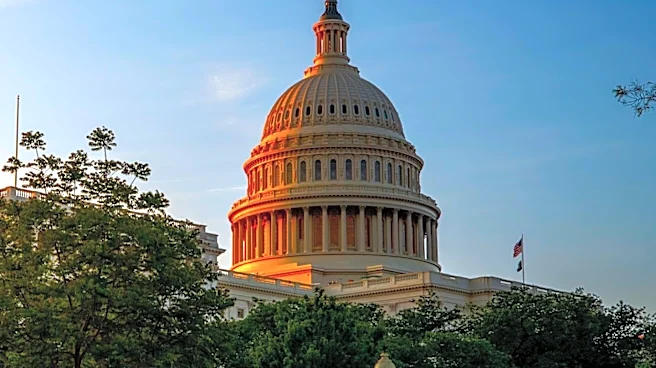
The U.S. Capitol Grounds has been officially recognized as a Level III Accredited Arboretum by ArbNet, a global accreditation program. Spanning 286 acres, the arboretum is home to over 4,800 trees and thousands of other plants. This accreditation signifies
its commitment to scientific research, conservation efforts, and public outreach regarding tree preservation. The grounds incorporate sustainable practices, including the use of beneficial insects like green lacewings for pest control, reducing reliance on broad-spectrum pesticides. Native plants, such as beardtongue, yarrow, purple coneflower, and beebalm, are specifically chosen to support pollinator and beneficial invertebrate populations. An ethnobotanical garden was installed at the Russell Senate Office Building in 2024 to further enhance pollinator habitats in the urban environment. The design of the grounds, originally conceived by landscape architect Frederick Law Olmsted between 1874 and 1892, continues to guide planting decisions, with approximately 43 of his original trees still standing.
Why It's Important?
The accreditation of the U.S. Capitol Grounds as an arboretum underscores a significant commitment to environmental stewardship and biodiversity within a prominent national landmark. This recognition highlights the importance of urban green spaces in supporting ecosystems and promoting plant conservation. The use of beneficial insects for pest control demonstrates an ecological approach to landscape management, reducing chemical use and protecting the wider web of pollinators crucial for agricultural and natural systems. By prioritizing native plants, the arboretum contributes to the health of local air, water, and biological diversity, serving as a model for sustainable landscaping. The preservation of Olmsted's original design elements also connects contemporary environmental efforts with historical landscape architecture, showcasing a long-term vision for integrating nature into civic spaces. This initiative provides educational opportunities for the public, raising awareness about the value of trees and native flora.
What's Next?
The Architect of the Capitol's (AOC) Capitol Grounds and Arboretum team will continue to evaluate new tree species based on their contribution to overall plant collections, genetic diversity, and resilience against environmental pressures. The ongoing maintenance and development of the arboretum will likely involve further integration of native plants and sustainable pest management strategies. Public outreach and educational programs are expected to continue, informing visitors about the ecological significance of the grounds. The ethnobotanical garden at the Russell Senate Office Building will serve as an ongoing example of urban pollinator habitat. Future planning will balance Olmsted's historic vision with the evolving needs of plant conservation and environmental sustainability, ensuring the Capitol Grounds remain a vibrant and healthy ecosystem for years to come.
Beyond the Headlines
Beyond its immediate environmental benefits, the U.S. Capitol Arboretum serves as a powerful symbol of the intersection between nature and governance. Its existence within a highly political landscape subtly reinforces the idea that environmental health is integral to national well-being. The careful selection of plants and pest control methods reflects a broader shift towards ecological consciousness in public land management. This initiative also highlights the often-overlooked role of landscape architects and horticulturists in shaping public spaces, demonstrating how thoughtful design can contribute to both aesthetic beauty and ecological function. The arboretum's commitment to conservation and education can inspire other urban centers to develop similar green infrastructure, fostering a greater appreciation for biodiversity and sustainable practices across the nation.