








What's Happening?
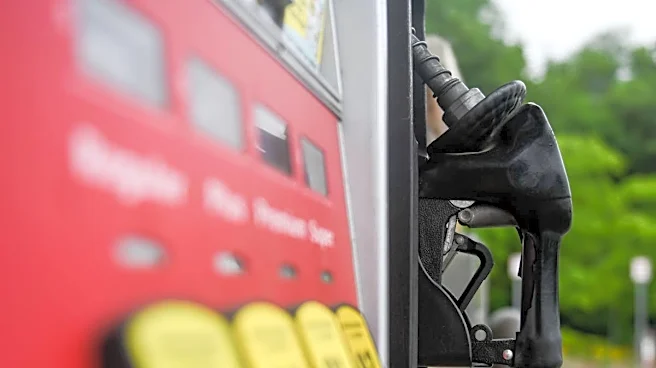
Gas prices in the United States have reached their highest levels in years, particularly affecting midterm swing districts. According to the Bureau of Labor Statistics, inflation has accelerated to 4.2% year-over-year, with the energy index up 23.5%.
Voters in competitive House districts, especially in the West, Mountain West, and Northeast, are experiencing fuel costs significantly above the national average. This situation is influenced by high state fuel taxes, limited refining capacity, and supply disruptions exacerbated by the conflict in Iran and the closure of the Strait of Hormuz. The political landscape is being shaped by these economic pressures, with both parties adjusting their messages in response to rising fuel costs.
Why It's Important?
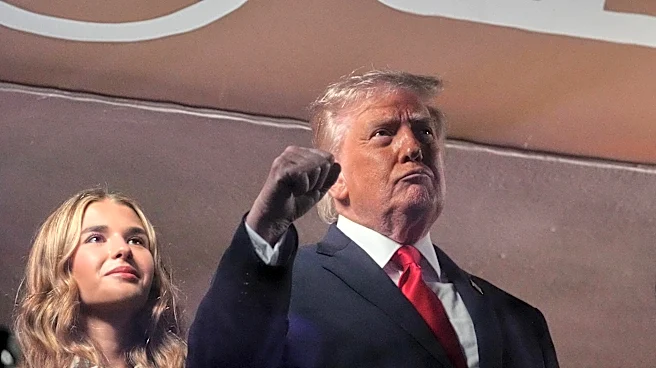
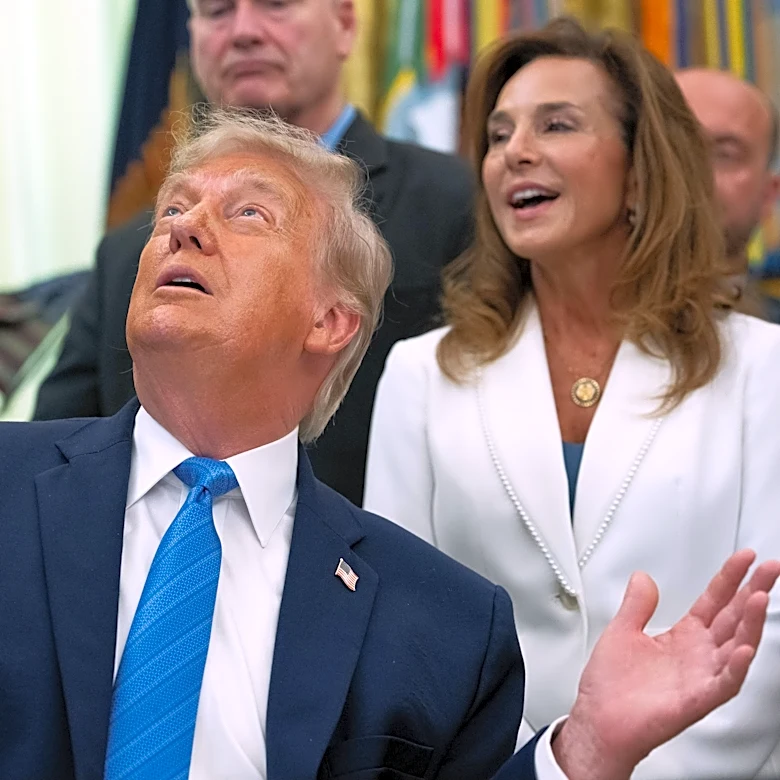
The surge in gas prices is a critical issue for voters in swing districts, potentially influencing the outcome of the upcoming midterm elections. High fuel costs are a significant economic burden, affecting household budgets and economic sentiment. The situation highlights the vulnerability of the U.S. economy to global geopolitical events, such as the conflict in Iran, which has disrupted oil markets. Both political parties are using the issue to shape their economic narratives, with Republicans emphasizing past lower prices under President Trump and Democrats linking the situation to broader affordability concerns. The outcome of the midterms could hinge on how effectively each party addresses these economic challenges.
What's Next?
Economists suggest that while there is potential for gas prices to decrease, the outlook remains uncertain. Factors such as geopolitical tensions, the reopening of the Strait of Hormuz, and global oil market dynamics will play a crucial role in determining future price trends. Both parties are likely to continue focusing on economic issues in their campaigns, with Republicans advocating for policies to reduce costs and Democrats emphasizing the need for federal resources to address domestic challenges. The political and economic landscape will continue to evolve as the midterms approach, with energy prices remaining a central issue.