







What's Happening?
Vail Healthspan, a medical facility, is highlighting the critical importance of preserving muscle mass and bone health for individuals undergoing weight loss, particularly those using GLP-1 medications. Dr. Barry Sandler, medical director at Vail Healthspan, explains
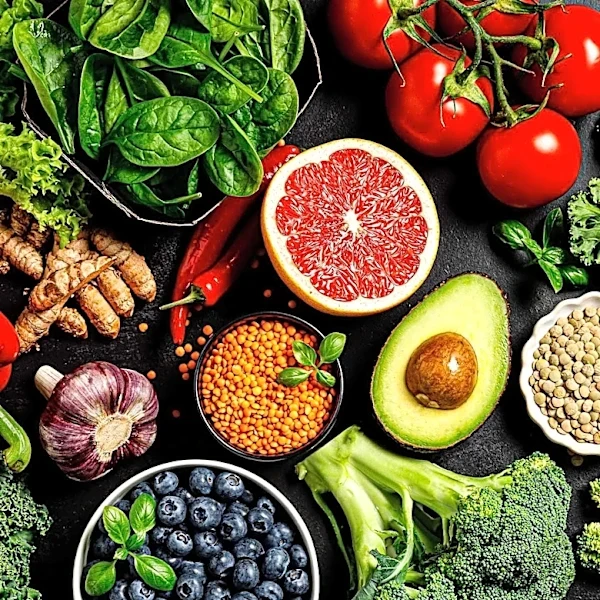
that while GLP-1s are effective for weight management, the goal should be sustainable fat loss rather than just a reduction in scale weight. He notes that improper weight loss can lead to the loss of muscle, water, glycogen stores, and even bone density. To counteract this, Vail Healthspan advocates for a comprehensive approach that includes adequate protein intake, an anti-inflammatory diet, regular resistance training, physical activity, and appropriate medical monitoring. Body composition scales, such as the InBody brand used at Healthspan, are recommended to track changes in muscle, subcutaneous fat, visceral fat, and water content, providing a clearer picture of weight loss composition.
Why It's Important?
This emphasis on preserving muscle and bone health during weight loss, especially with GLP-1 medications, is crucial for long-term health and independence. Muscle mass is vital for strength, mobility, balance, glucose regulation, and overall resilience, all of which become increasingly important with age. Losing muscle can undermine the health benefits of weight loss and potentially lead to a weaker, less active lifestyle. Similarly, maintaining bone density is essential to prevent conditions like osteoporosis and reduce the risk of fractures. For the growing number of Americans using GLP-1s for weight management, understanding these risks and adopting a holistic strategy is paramount. This approach ensures that weight loss contributes to improved health and function rather than diminishing them, ultimately supporting a higher quality of life and reducing future healthcare burdens.
What's Next?
Patients currently using or considering GLP-1 medications for weight loss are encouraged to consult with their healthcare providers at facilities like Vail Health or Vail Healthspan. The focus will likely shift towards personalized weight loss strategies that integrate nutritional guidance, exercise prescriptions, and continuous monitoring of body composition. Healthcare providers will need to educate patients on the importance of protein intake and resistance training to mitigate muscle and bone loss. The development and adoption of more accessible body composition tracking tools, both professional and home-based, may also increase. This proactive approach aims to ensure that the benefits of GLP-1 medications are maximized while minimizing potential adverse effects on musculoskeletal health, leading to more sustainable and healthier weight loss outcomes.
Beyond the Headlines
The discussion around GLP-1 medications and weight loss extends beyond mere numbers on a scale, touching upon broader societal implications regarding health and aging. The focus on 'healthspan'—the years lived in good health without serious disease or disability—rather than just 'lifespan' is gaining traction. This perspective highlights the importance of maintaining functional capacity and independence as people age. The widespread use of GLP-1s presents an opportunity to re-evaluate conventional weight loss paradigms, moving towards a more nuanced understanding of body composition and metabolic health. It also underscores the need for integrated care models that combine pharmacological interventions with lifestyle modifications, emphasizing the role of dietitians, exercise physiologists, and other health professionals in achieving holistic well-being. This shift could lead to a more preventative and personalized approach to healthcare, with long-term benefits for public health.