




What's Happening?
Rep. Ralph Norman (R-S.C.) has publicly criticized Senate Republican leaders for taking a five-week recess while key conservative legislation, specifically the SAVE America Act, remains stalled. Speaking on the "Fox News Rundown" podcast, Norman expressed
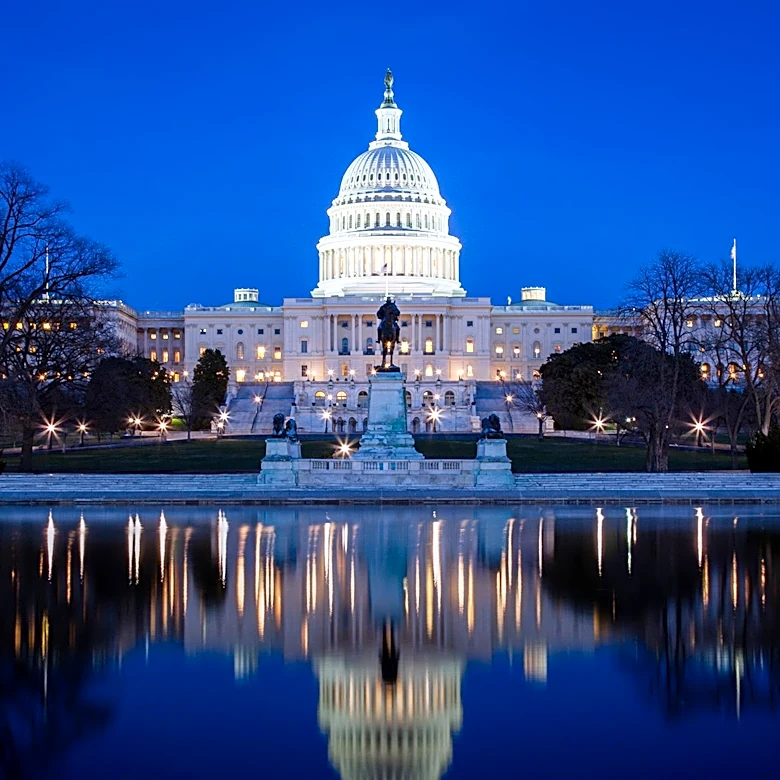
his dismay, calling the hiatus "an abomination" and "a slap in the face" to American citizens. The Senate began its break on August 8 and is not scheduled to return until September 14. The SAVE America Act, a House-passed bill, aims to require documentary proof of U.S. citizenship for voter registration in federal elections. Norman emphasized the critical importance of this legislation for maintaining the integrity of the nation's democratic process. He also voiced frustration with Senate Majority Leader John Thune, questioning the recurring excuse of lacking sufficient votes to pass conservative priorities. Despite his strong criticism of the Senate's inaction, Norman stopped short of calling for Thune's removal from leadership. Both chambers of Congress are currently on their scheduled August recess, and previous attempts to pass similar election integrity and voter ID measures in the Senate have failed to secure the 60 votes needed to overcome a filibuster.
Why It's Important?
This situation highlights a significant point of contention within the Republican party regarding legislative priorities and the effectiveness of congressional leadership. Rep. Norman's criticism underscores a growing impatience among some conservatives with the pace and outcomes of legislative efforts, particularly concerning issues like election integrity. The stalled SAVE America Act reflects broader challenges in passing partisan legislation in a divided Congress, where the 60-vote threshold in the Senate often acts as a significant barrier. For proponents, the bill is crucial for ensuring secure and legitimate federal elections, directly impacting the perceived fairness and trustworthiness of the democratic process. Conversely, opponents often view such measures as potentially disenfranchising eligible voters. The ongoing debate and legislative gridlock could further polarize the electorate and intensify calls for procedural reforms in the Senate. The public perception of congressional productivity, especially during a recess, can also influence voter sentiment and engagement in upcoming elections, potentially affecting the political landscape and the balance of power in Washington.
What's Next?
Upon the Senate's return on September 14, the fate of the SAVE America Act and other conservative priorities will likely be a central focus. Rep. Norman's public statements could intensify pressure on Senate Republican leadership to address these stalled bills, potentially leading to renewed efforts to bring them to a vote or to negotiate compromises. However, given the historical difficulty in securing 60 votes for similar legislation, the path forward for the SAVE America Act remains uncertain. The upcoming runoff election in South Carolina, where Norman is vying for a Senate seat against Darline Graham, will also be a key event. President Trump's endorsement of Graham adds another layer of complexity to Norman's political standing and could influence the outcome of the primary. The results of this election will determine who represents South Carolina in the Senate and could signal the direction of conservative political momentum. The broader implications for election integrity legislation will continue to be debated, with potential for further legislative attempts or legal challenges depending on future political developments and electoral outcomes.
Beyond the Headlines
The debate surrounding the SAVE America Act and the Senate's recess touches upon fundamental questions about the functionality of the U.S. legislative process and the balance of power within Congress. The frustration expressed by Rep. Norman reflects a deeper ideological divide regarding the role of government in election administration and the definition of voter access versus security. The concept of a "five-week hiatus" during a period of perceived national urgency also raises questions about congressional accountability and public service. This situation could contribute to a broader erosion of public trust in governmental institutions if legislative gridlock persists on issues deemed critical by a significant portion of the electorate. Furthermore, the influence of presidential endorsements in primary elections, as seen with President Trump's support for Darline Graham, highlights the evolving dynamics of party politics and the power of individual figures to shape electoral outcomes. The long-term implications could include increased calls for filibuster reform, a re-evaluation of congressional recess schedules, and a continued struggle to find common ground on foundational issues like voting rights and election integrity, ultimately shaping the future of American democracy.