
What's Happening?
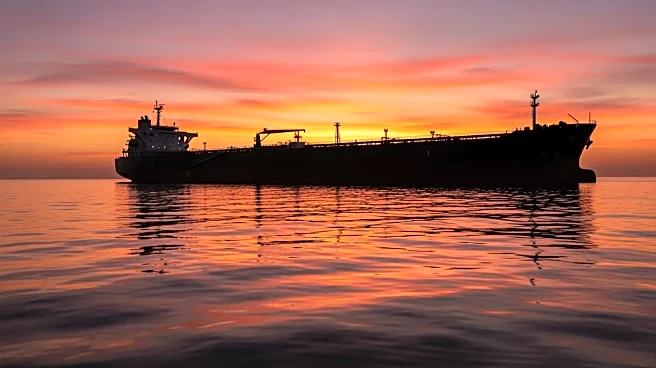
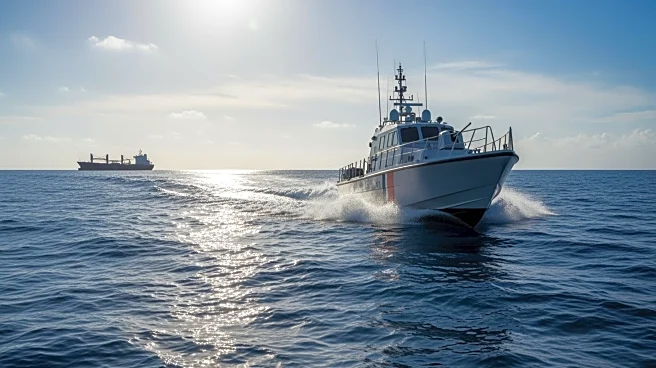
The U.S. Coast Guard has successfully interdicted a second vessel that was under sanctions in the Caribbean Sea, specifically off the coast of Venezuela. This operation is part of ongoing efforts by U.S. authorities
to enforce international sanctions and maintain maritime security in the region. The vessel was intercepted in international waters, highlighting the Coast Guard's commitment to monitoring and controlling illegal maritime activities. The details of the vessel's cargo or its intended destination have not been disclosed, but the action underscores the U.S. government's vigilance in enforcing sanctions and preventing illicit activities at sea.
Why It's Important?
This interception is significant as it demonstrates the U.S. Coast Guard's active role in enforcing international sanctions, which are crucial for maintaining global security and economic stability. By preventing sanctioned vessels from operating freely, the U.S. aims to curb illegal trade and financial flows that could support unlawful activities or regimes. This action also sends a strong message to other entities that might consider violating international laws, reinforcing the U.S.'s stance on maritime security and its commitment to international cooperation in sanction enforcement. The operation could impact U.S. relations with countries involved in or affected by these sanctions, potentially influencing diplomatic and economic interactions.
What's Next?
Following the interception, the U.S. Coast Guard is likely to continue its surveillance and enforcement activities in the Caribbean and other strategic maritime regions. There may be further investigations into the vessel's activities and connections, which could lead to additional sanctions or legal actions against involved parties. The U.S. government might also engage in diplomatic discussions with international partners to strengthen collaborative efforts in sanction enforcement. Stakeholders, including shipping companies and international trade organizations, will be closely monitoring these developments to assess their impact on global shipping routes and compliance requirements.