


What's Happening?
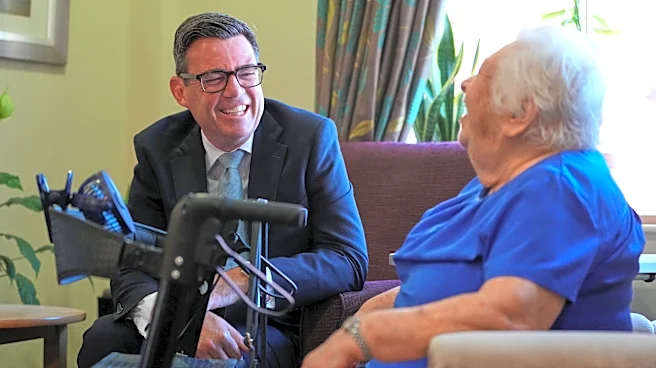
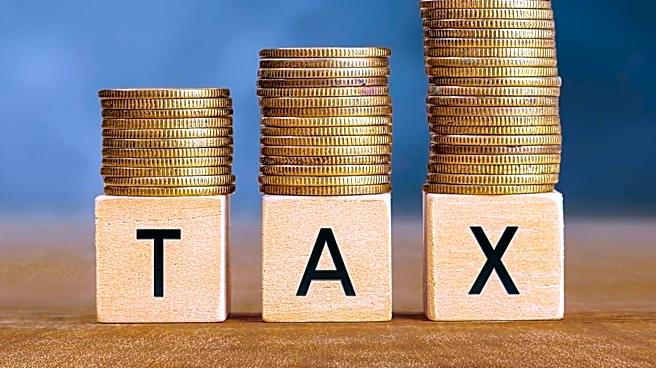
Andy Burnham, the Prime Minister, has been accused of initiating potential tax increases to fund social care reforms. Reform UK's Treasury spokesman, Robert Jenrick, criticized Burnham for excluding the party from cross-party talks on social care, arguing
against a 'mammoth tax assault'. Burnham unveiled a three-point plan to address social care, including a review by Baroness Louise Casey, focusing on workforce improvements, and initiating cross-party discussions. The plan aims to tackle years of neglect in the social care sector. Reform UK, led by Nigel Farage, has expressed dissatisfaction with being left out of these discussions, emphasizing their opposition to new taxes.
Why It's Important?
The debate over funding social care is crucial as it impacts millions of citizens who rely on these services. Burnham's approach to potentially raising taxes to fund social care reforms could have significant economic implications, affecting taxpayers and the allocation of government resources. The exclusion of Reform UK from discussions highlights political tensions and the challenges of achieving consensus on social care funding. The outcome of these discussions could set a precedent for how social care is funded and managed in the future, influencing public policy and political dynamics.
What's Next?
As discussions on social care funding continue, there may be further political maneuvering and negotiations among parties. Burnham's government will need to address concerns from various stakeholders, including opposition parties and the public, to ensure a viable and sustainable solution. The potential for tax increases could lead to public debate and scrutiny, influencing future policy decisions. Reform UK may continue to advocate for alternative funding solutions, potentially impacting their political strategy and public support.