




What's Happening?
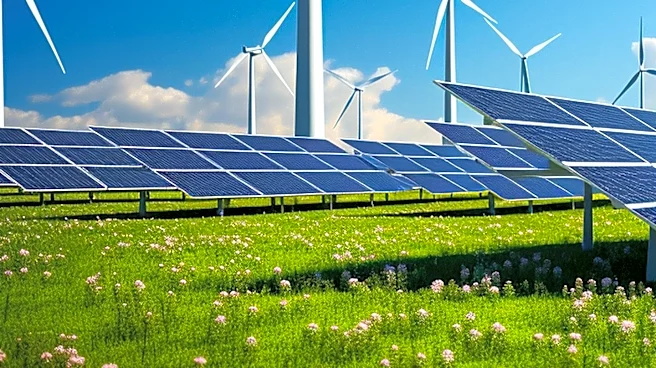
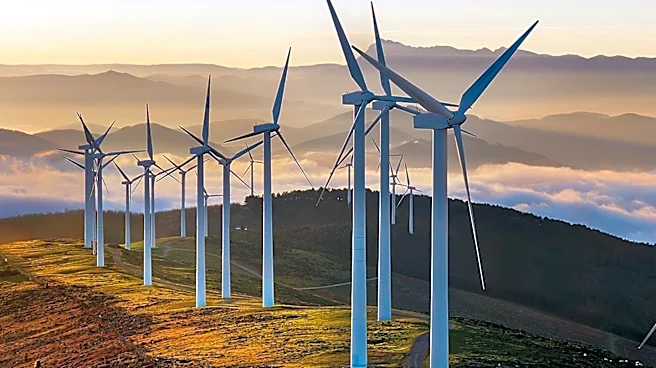
Morocco is advancing its wind energy projects along its Atlantic and Mediterranean coastlines as part of a national strategy to reduce reliance on imported fossil fuels. The country has licensed 23 wind power projects, including the Aftissat Wind Farm,
which is nearing completion. The Tarfaya Wind Farm, Morocco's second-largest wind energy project, generates approximately 1,000 gigawatt-hours of electricity annually. These projects are part of Morocco's efforts to achieve its renewable energy targets ahead of schedule, supported by strategic international partnerships and legislative reforms that attract private-sector investment.
Why It's Important?
Morocco's leadership in wind energy is significant as it positions the country as a regional leader in renewable energy development. The expansion of wind energy projects not only strengthens Morocco's energy security but also reduces greenhouse gas emissions. The country's strategic vision and support from the monarchy have been decisive in achieving these goals. Morocco's evolving legal and regulatory framework has played a central role in attracting investment, and its ability to establish strategic international partnerships further supports its renewable energy ambitions.
What's Next?
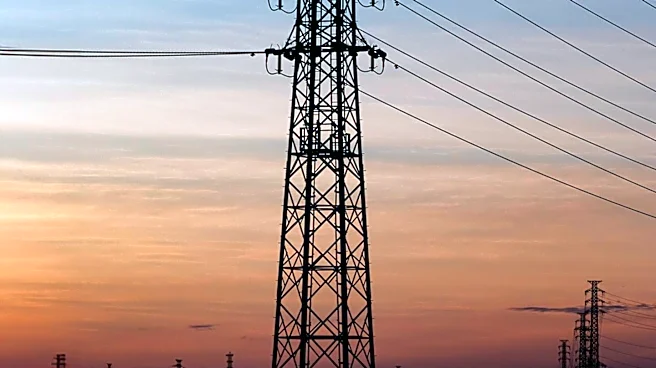
Morocco plans to continue expanding its wind energy capacity and modernizing its electricity infrastructure to facilitate the integration of growing renewable energy capacity. The country is investing in high-voltage direct current transmission and battery energy storage systems to improve energy flow management. Additionally, Morocco is reinforcing its existing interconnection with Spain and considering new interconnections with Portugal and Mauritania to export excess renewable electricity. These efforts aim to position Morocco as a model for energy transition in Africa and West Asia.
Beyond the Headlines
Morocco's success in wind energy reflects years of strategic planning and investment in electricity infrastructure. The country's approach to renewable energy development can serve as a model for other African and West Asian countries. By sharing legislative and regulatory expertise, Morocco can support neighboring countries in developing legal frameworks for renewable energy projects. The country's training ecosystem can also help build the technical and managerial capacities needed to operate modern renewable energy systems across the region.