


What's Happening?
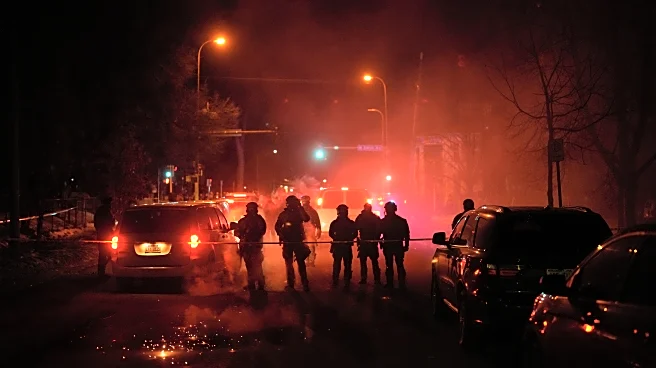
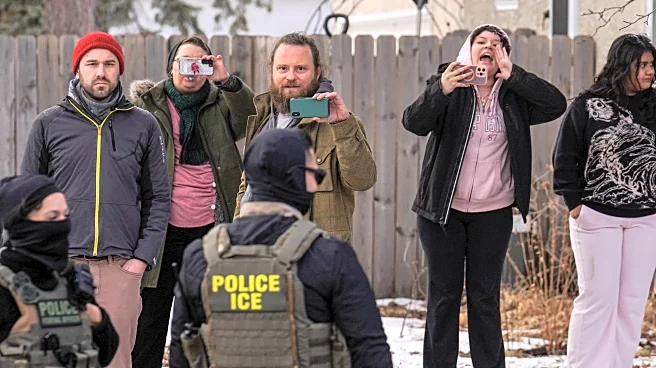
The FBI has declined to share evidence with Minnesota's Bureau of Criminal Apprehension (BCA) regarding the investigation into the killing of Alex Pretti by immigration agents. This decision, communicated last week, has been described by state investigators
as 'concerning and unprecedented.' Despite this setback, the BCA remains committed to conducting thorough and independent investigations. The refusal to share information breaks precedent and has led to a lawsuit filed by county officials and the BCA against the federal government for access to investigative materials. The FBI's stance aligns with the administration's handling of recent incidents involving Department of Homeland Security officers.
Why It's Important?
The FBI's refusal to cooperate with state investigators raises significant concerns about transparency and accountability in law enforcement. This decision could hinder the BCA's ability to conduct a comprehensive investigation, potentially impacting public trust in both federal and state agencies. The case highlights ongoing tensions between federal and state authorities, particularly in matters involving law enforcement and civil rights. The lack of cooperation may also prompt calls for policy changes to ensure better collaboration and information sharing between agencies in future investigations.
What's Next?
State investigators are expected to continue pursuing legal avenues to gain access to the necessary evidence. The lawsuit filed against the federal government may lead to court proceedings that could set a precedent for future cases involving inter-agency cooperation. Additionally, public and political pressure may mount on federal authorities to reconsider their stance and facilitate a more transparent investigation process. The outcome of this case could influence how similar incidents are handled in the future, potentially leading to reforms in investigative protocols.