



What's Happening?
Schools across the United States are increasingly adopting advanced weapons detection systems to bolster campus safety. These systems utilize artificial intelligence to analyze visual, audio, and behavioral data, providing real-time alerts when potential
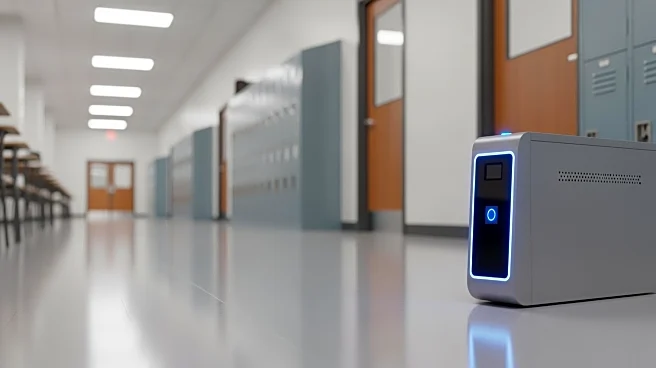
threats are detected. The technology is designed to identify weapons, such as an AR15, and alert school personnel if something suspicious is detected. This shift from reactive to proactive protection aims to reduce reliance on human interpretation alone. In addition to visual detection, schools are deploying environmental sensors that capture and analyze a range of signals, including audio and mapping data. These sensors can be placed in areas that were previously unmonitored, such as hallways and bathrooms, allowing for early intervention before situations escalate. The integration of data from cameras and sensors helps schools develop a comprehensive, real-time picture of campus activity, identifying anomalies like unauthorized individuals.
Why It's Important?
The implementation of these advanced detection systems is crucial for enhancing the safety of students and staff in educational institutions. By providing real-time alerts and reducing the reliance on human interpretation, these systems can potentially prevent dangerous situations from escalating. The ability to detect weapons before they enter school premises could save lives by allowing for timely intervention. Furthermore, the use of environmental sensors in previously unmonitored areas increases the overall security coverage, ensuring that potential threats are identified and addressed promptly. This proactive approach to school safety reflects a broader trend towards integrating technology in public safety measures, highlighting the importance of innovation in protecting vulnerable populations.
What's Next?
As schools continue to adopt these advanced detection systems, further integration and refinement of the technology are expected. Stakeholders, including school administrators and security experts, will likely focus on optimizing the systems for better accuracy and efficiency. There may also be discussions around the ethical implications of increased surveillance in schools, balancing safety with privacy concerns. Additionally, training for school personnel on how to effectively use these systems will be essential to maximize their potential. The ongoing development of these technologies could lead to broader applications in other public spaces, further enhancing community safety.