




What's Happening?
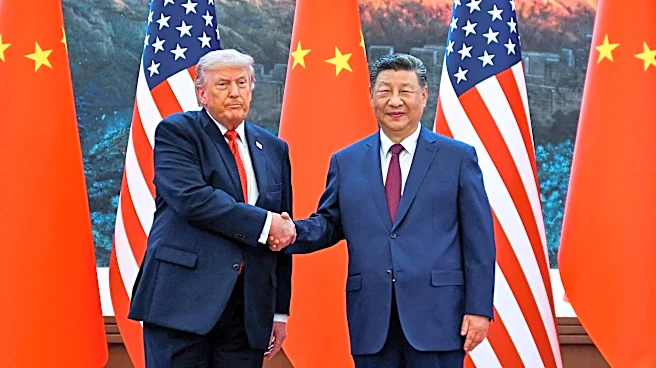
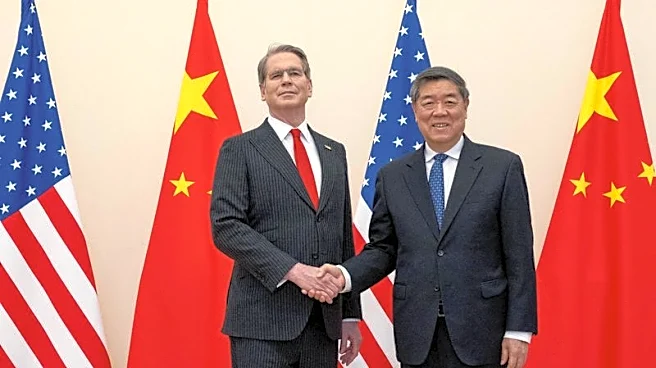
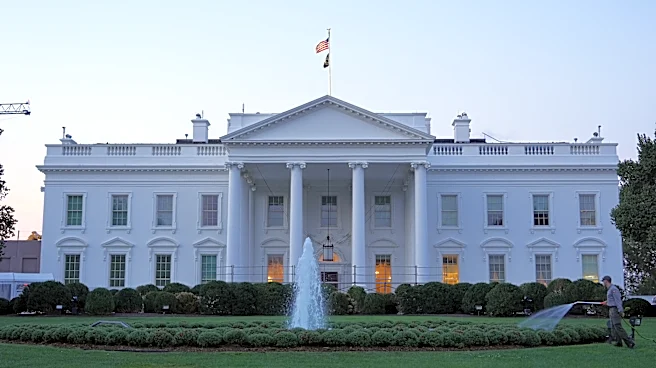
Jane Fraser, CEO of Citigroup Inc., is among the prominent U.S. corporate leaders expected to attend President Trump's state dinner for Chinese President Xi Jinping. The dinner, scheduled for Thursday, September 24, 2026, at the White House, is part of a highly
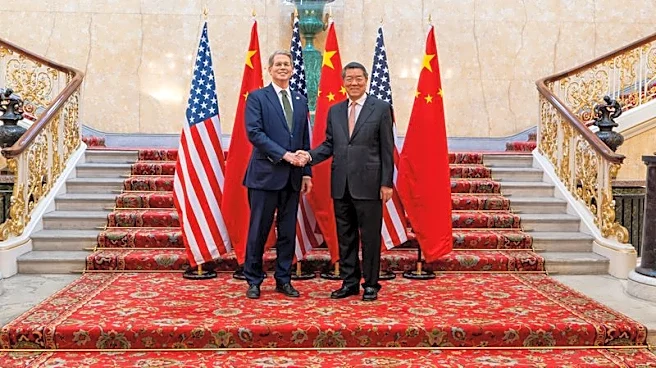
anticipated summit between the two leaders. This gathering aims to foster stability in the U.S.-China relationship amidst ongoing tensions concerning trade, Taiwan, Iran, and artificial intelligence. Other notable attendees from the U.S. business and technology sectors include Mark Zuckerberg of Meta Platforms Inc., Jensen Huang of Nvidia Corp., Sam Altman of OpenAI, Satya Nadella of Microsoft Corp., Jeff Bezos of Amazon.com Inc., Tim Cook of Apple Inc., Elon Musk of Tesla Inc., Sundar Pichai of Alphabet Inc., and Michael Dell of Dell Technologies Inc. Jamie Dimon of JPMorgan Chase & Co. and Michael Miebach of Mastercard Inc. are also expected to be present. Notably, Chinese President Xi Jinping is not anticipated to bring a comparable delegation of Chinese chief executive officers, a departure from his 2015 state visit to the U.S. where he was accompanied by a significant business contingent.
Why It's Important?
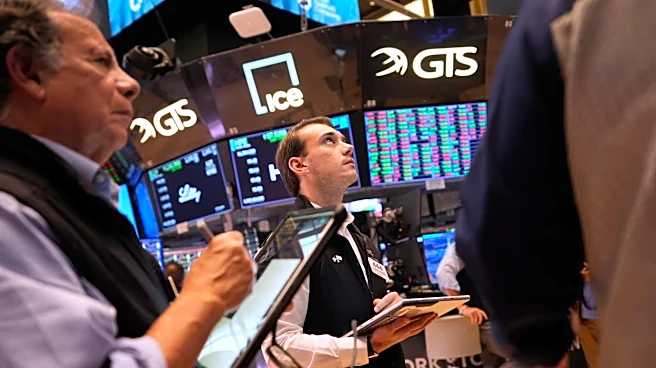
The attendance of top U.S. business leaders, including Jane Fraser, at this state dinner underscores the critical role of the private sector in U.S.-China relations, particularly in economic and technological spheres. Their presence signals a continued interest in maintaining dialogue and exploring potential business opportunities despite geopolitical complexities. The absence of a similar Chinese business delegation, however, highlights a potential imbalance in expectations and approaches to the summit from both sides. For U.S. companies, engagement at this level can influence future trade policies, investment climates, and market access in China, a crucial market for many. The discussions, even if largely symbolic, could set a tone for future collaborations or disputes in areas like artificial intelligence and trade. The summit's outcome, particularly regarding any agreements on trade truces or AI dialogue channels, will directly impact the operational environment for these corporations and the broader U.S. economy.
What's Next?
The immediate next step will be the summit itself, where President Trump and President Xi Jinping are expected to engage in bilateral meetings and discussions on various pressing issues. While major policy breakthroughs are not widely anticipated, an agreement to extend a fragile one-year trade truce struck previously in Busan, South Korea, is a key expected outcome. Additionally, there is potential for low-hanging trade deals, such as China increasing its purchase of U.S. soybeans, and the establishment of an AI dialogue channel between the two nations. The presence of top U.S. CEOs at the state dinner suggests that business leaders will be closely monitoring any signals regarding future economic cooperation or potential escalations in trade tensions. The summit's success will also be measured by whether the leaders agree to further meetings later in the year, including President Trump attending the APEC summit in China and President Xi reciprocating at the G20 Miami summit.
Beyond the Headlines
The disparity in business delegation sizes between the U.S. and China at this summit reveals deeper strategic considerations. The U.S. side, with its robust corporate presence, appears to be emphasizing the importance of private sector engagement and economic ties in its foreign policy. Conversely, China's decision not to bring a large business contingent might reflect a more centralized approach to international relations or a strategic move to manage expectations regarding immediate business deals. This difference could also indicate a shift in China's confidence regarding its global standing, as some analysts suggest President Xi approaches the summit with a greater sense of China's mission as a rival superpower. The focus on optics and the personal rapport between the leaders, rather than substantive policy breakthroughs, could lead to a perception of 'strategic stability' without addressing underlying tensions in areas like artificial intelligence, critical mineral exports, and Taiwan. This approach might serve to project an image of managed relations while deeper geopolitical rivalries continue to simmer.