




What's Happening?
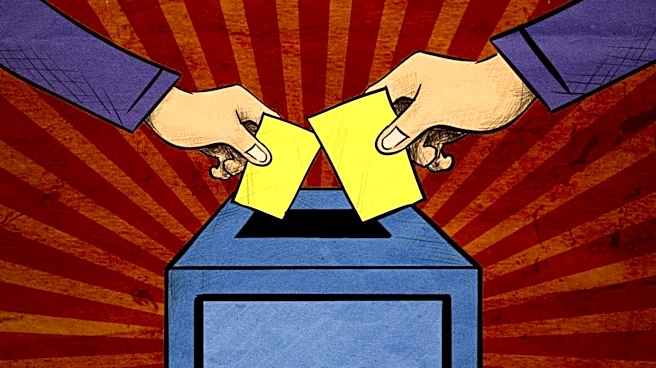
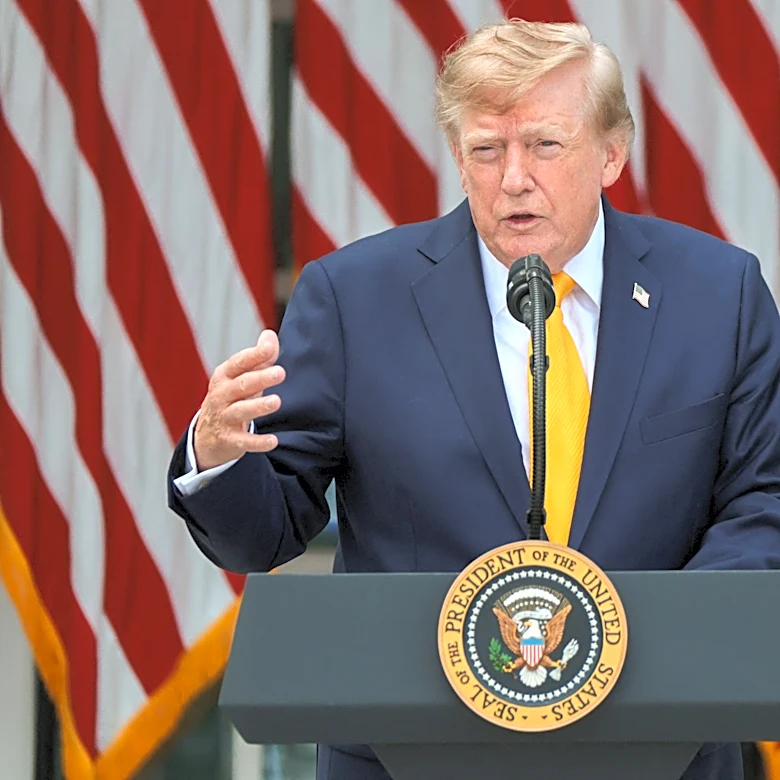
White House Chief of Staff Susie Wiles has categorically denied any intention of deploying federal troops to polling places. This statement comes amidst ongoing discussions and concerns raised by members of Congress regarding the potential use of federal forces
during elections. The issue gained prominence after Defense Secretary Pete Hegseth, during sworn House Armed Services Committee testimony in April 2026, repeatedly declined to commit to keeping troops away from polls when questioned by Rep. Jill Tokuda. Subsequently, on August 18, Sen. Elissa Slotkin sent formal letters to Hegseth and Chairman of the Joint Chiefs Gen. Dan Caine, seeking written confirmation that the Department of Defense would not send federal troops to polls or seize election materials. Hegseth had previously claimed that the Biden administration deployed troops to polling places in 15 states in 2024, a claim fact-checked as false by CNN and other outlets, clarifying these were state-level National Guard activations, not federal directives.
Why It's Important?
The debate surrounding the deployment of federal troops to polling places is critical due to the historical and legal precedents governing military involvement in domestic law enforcement. The Posse Comitatus Act of 1878 explicitly restricts the use of federal military forces for domestic law enforcement, except under specific statutory exceptions like the Insurrection Act. This act was established in response to a prior era of soldiers stationed at Southern polling places during Reconstruction, underscoring the long-standing principle that election security is the responsibility of civilian law enforcement. Any deviation from this principle could undermine public trust in the electoral process and raise significant constitutional concerns. The differing interpretations of officials' statements—whether they are outright denials or evasions of hypothetical scenarios—highlight a deep-seated concern about the politicization of the military and its potential impact on democratic institutions.
What's Next?
The ongoing scrutiny from Congress suggests that the issue of federal troop deployment near polling places will likely remain a point of contention. Sen. Slotkin's formal letters indicate a push for written assurances from the Department of Defense, which could lead to further public statements or policy clarifications. The differing interpretations of intent—between outright denial from the White House Chief of Staff and the Defense Secretary's non-committal responses—will likely fuel continued debate. Stakeholders, including civil liberties groups and political organizations, will closely monitor any developments, particularly as the next election cycle approaches. The military itself faces the challenge of upholding its apolitical tradition while navigating these political pressures, ensuring that its chain of command understands its obligations under the Posse Comitatus Act.
Beyond the Headlines
Beyond the immediate political and legal implications, this discussion touches upon the fundamental relationship between the military and civilian government in a democracy. The Posse Comitatus Act is a cornerstone of this relationship, designed to prevent the military from being used as a tool for political enforcement. Any perceived erosion of this principle could have profound long-term consequences for civil-military relations and the stability of democratic governance. The differing narratives—one emphasizing explicit denials and the other highlighting a pattern of non-commitment—underscore a broader societal anxiety about the integrity of elections and the potential for executive overreach. This situation also brings to light the importance of clear communication from government officials to maintain public confidence and prevent misinterpretations that could lead to civil unrest or distrust in institutions.