





What's Happening?
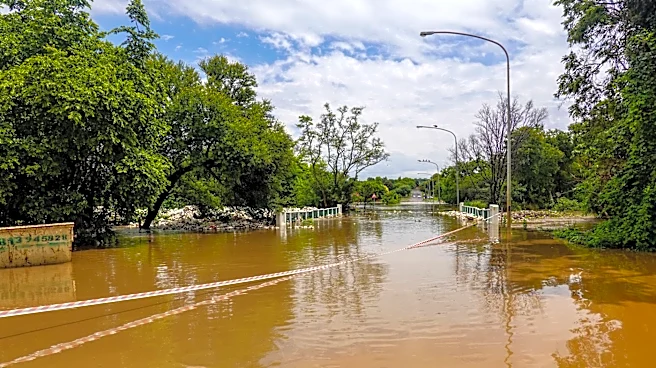
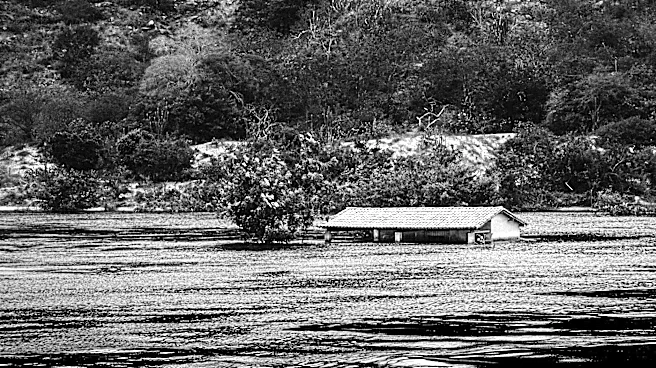
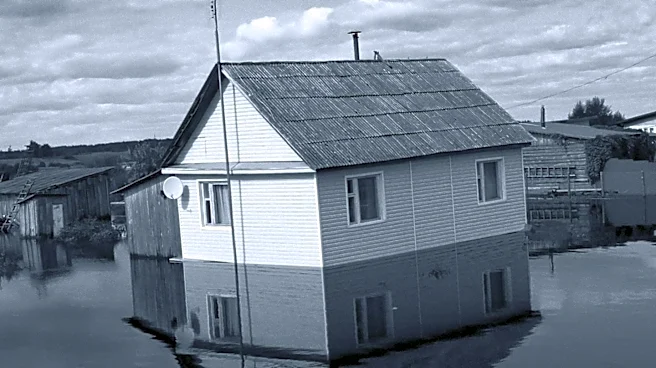
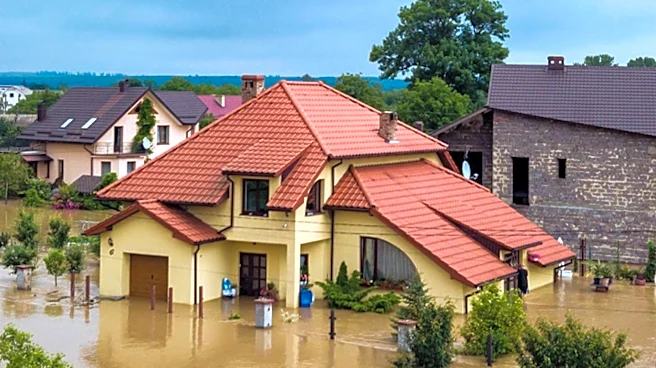
Following days of relentless rain, Lake Travis in Texas has surpassed its full capacity, leading to the first release of floodgates at Mansfield Dam in seven years. The flooding has severely impacted low-lying communities along the shoreline, with floodwaters
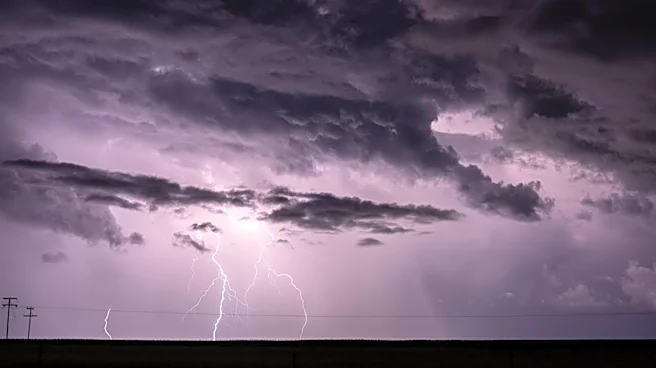
encroaching on residential areas. The Hill Country region experienced historic rainfall, with up to two feet of rain falling over a three-day period, resulting in multiple water rescues and two reported fatalities. The flooding also caused the collapse of the Farm-to-Market 481 bridge in Uvalde County. The Lower Colorado River Authority (LCRA) reported that Lake Travis is currently at 105% of its full pool capacity, prompting the floodgate operation. Meanwhile, Tropical Storm Bertha is moving through the Gulf, potentially bringing additional rain and winds to the already affected areas.
Why It's Important?
The flooding in Texas highlights the vulnerability of infrastructure and communities to extreme weather events, which are becoming more frequent and severe. The situation at Lake Travis underscores the challenges in managing water resources and flood control in the face of climate change. The economic impact on local communities could be significant, with potential damage to homes, businesses, and infrastructure. The response to this crisis will test the resilience and preparedness of local and state authorities, as well as the effectiveness of existing flood management systems. Additionally, the approach of Tropical Storm Bertha raises concerns about further strain on emergency services and the potential for additional damage.
What's Next?
Authorities will continue to monitor water levels and manage floodgate operations to mitigate further flooding. Residents in affected areas are advised to remain vigilant and follow safety advisories. The potential impact of Tropical Storm Bertha will be closely watched, as it could exacerbate the current situation. Long-term, there may be discussions on improving flood management infrastructure and strategies to better prepare for future extreme weather events. The situation also calls for a review of emergency response protocols to ensure swift and effective action in similar scenarios.