
What's Happening?
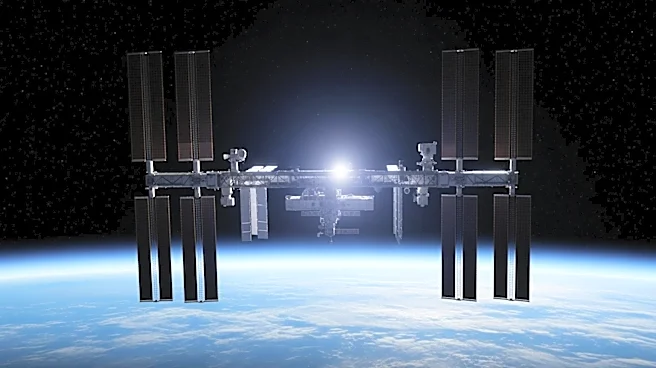
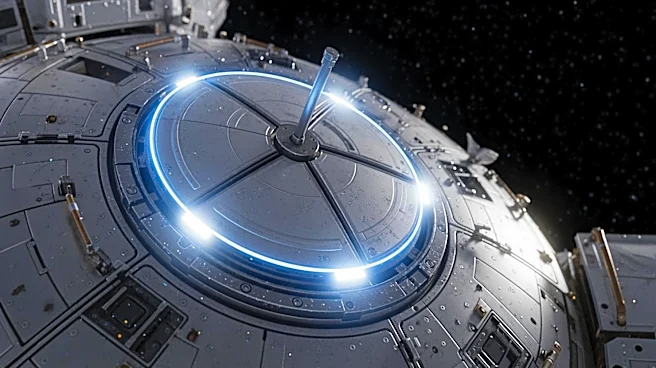
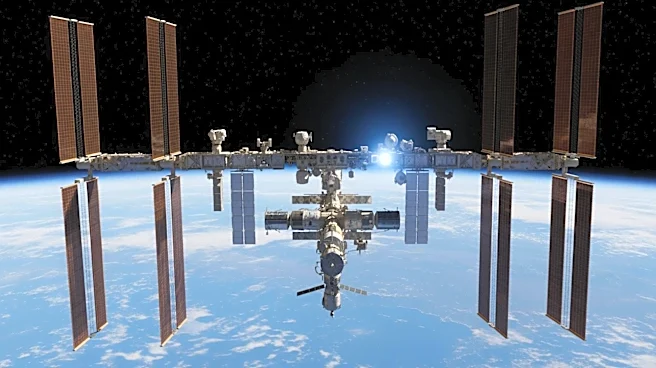
NASA and Roscosmos are addressing an increased leak rate in the Zvezda service module's transfer tunnel on the International Space Station (ISS). The issue, which has been monitored since 2019, involves
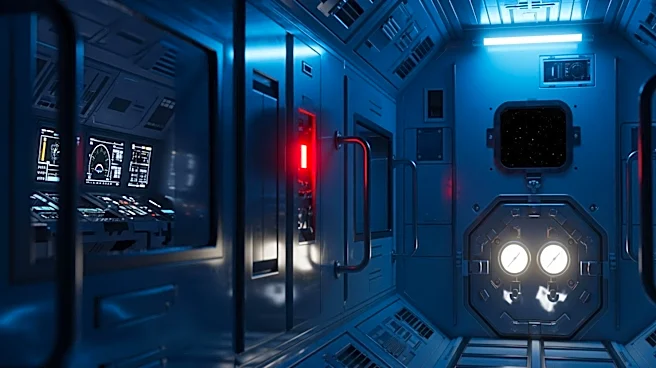
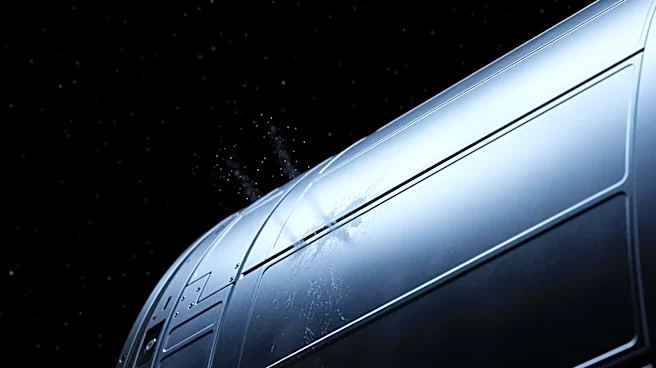
small atmosphere leaks due to cracks in the module. Recently, during cargo operations with the Progress 95 spacecraft, Roscosmos observed an increase in the leak rate to two pounds per day and identified new potential leak areas. In response, Roscosmos planned a more extensive inspection and structural repair effort, which involved cutting a bracket to access a suspected leak source. This procedure posed a potential risk to the structure, prompting NASA to direct the SpaceX Crew-12 members and NASA astronaut Chris Williams to take a safety posture inside the SpaceX Dragon spacecraft. However, Roscosmos paused the repair work to conduct further measurements and data assessments, a decision supported by NASA. Following this, the crew returned to normal operations aboard the ISS.
Why It's Important?
The integrity of the International Space Station is crucial for the safety of its crew and the continuation of its scientific missions. The increased leak rate in the Zvezda module highlights the challenges of maintaining aging space infrastructure. Collaborative efforts between NASA and Roscosmos are essential to address these issues, ensuring the safety of astronauts and the continuation of international cooperation in space exploration. The situation underscores the importance of ongoing maintenance and the need for robust contingency plans to handle unexpected technical challenges in space. The resolution of this issue is vital for the operational stability of the ISS, which serves as a platform for scientific research and international collaboration.
What's Next?
NASA and Roscosmos will continue to work together, along with other international partners, to assess and resolve the leak issue in the Zvezda module. Further inspections and data assessments will be conducted to identify and address the root cause of the leaks. The outcome of these efforts will determine the next steps in the repair process. The situation may prompt discussions on the long-term sustainability of the ISS and the need for future upgrades or replacements of aging components. The international space community will be closely monitoring the developments, as the ISS remains a critical asset for scientific research and international cooperation in space.